
Last updated October 31, 2026
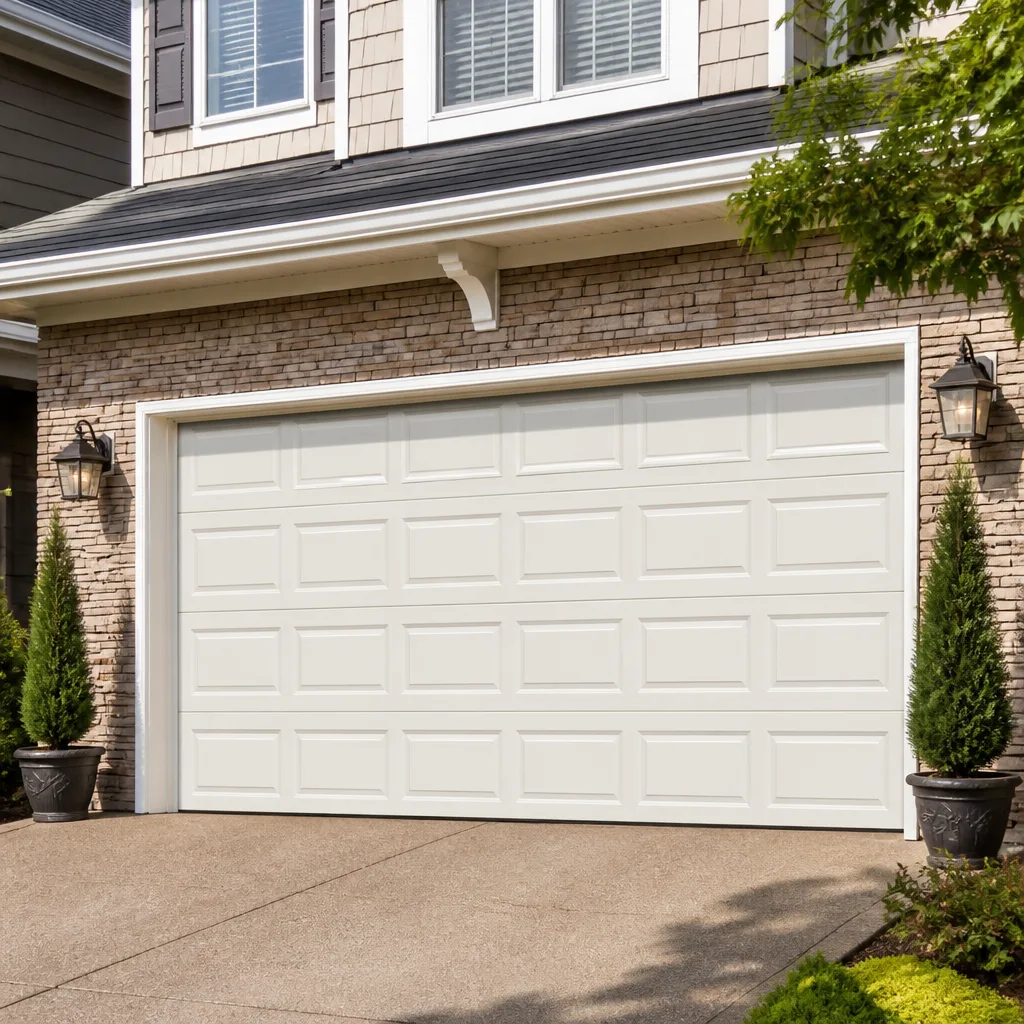 Raised-panel steel
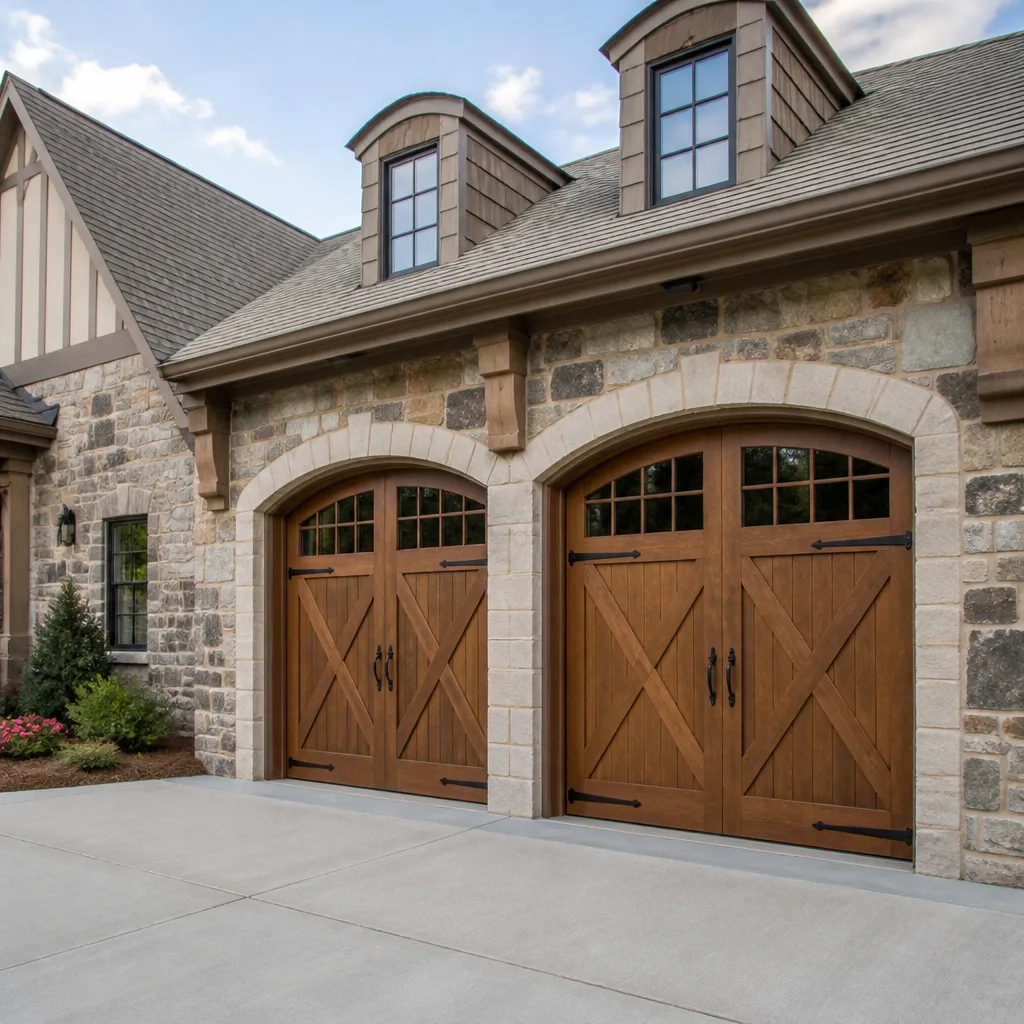 Carriage house
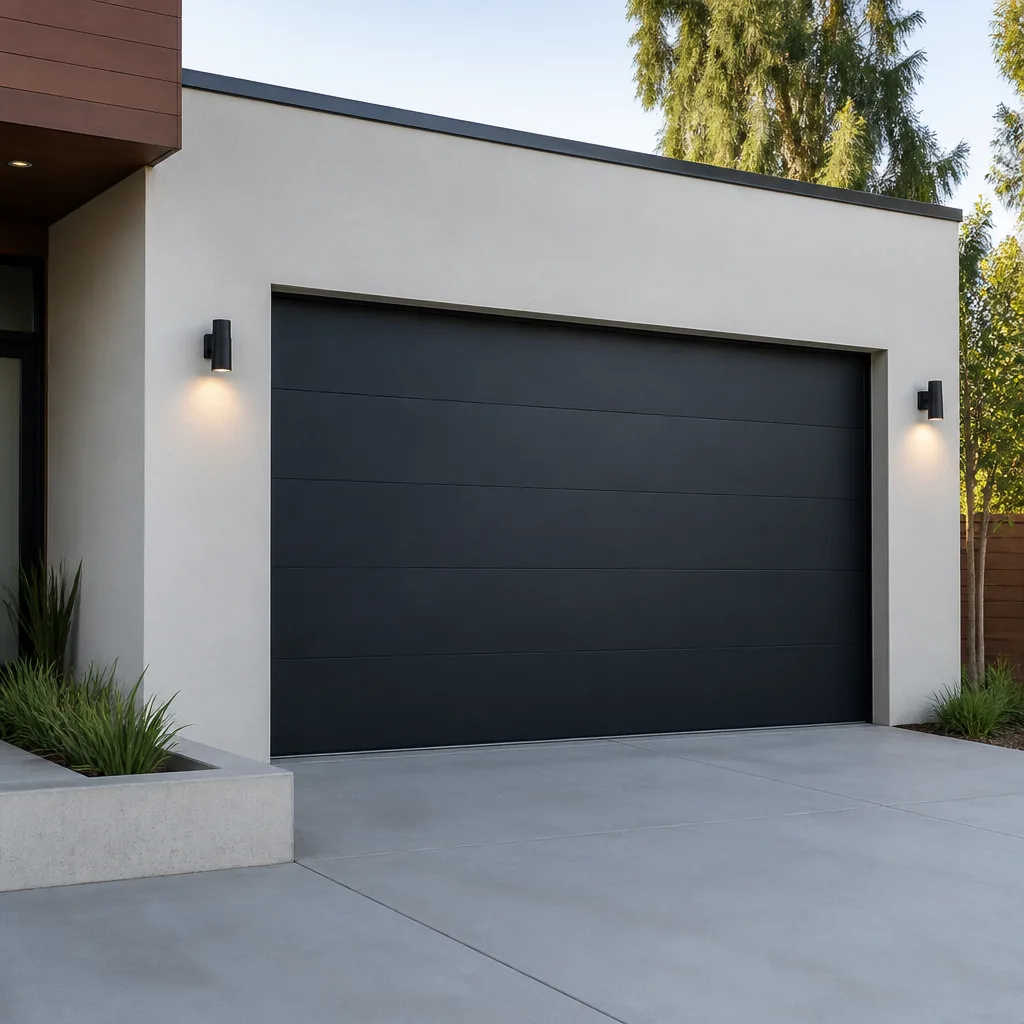 Modern flush
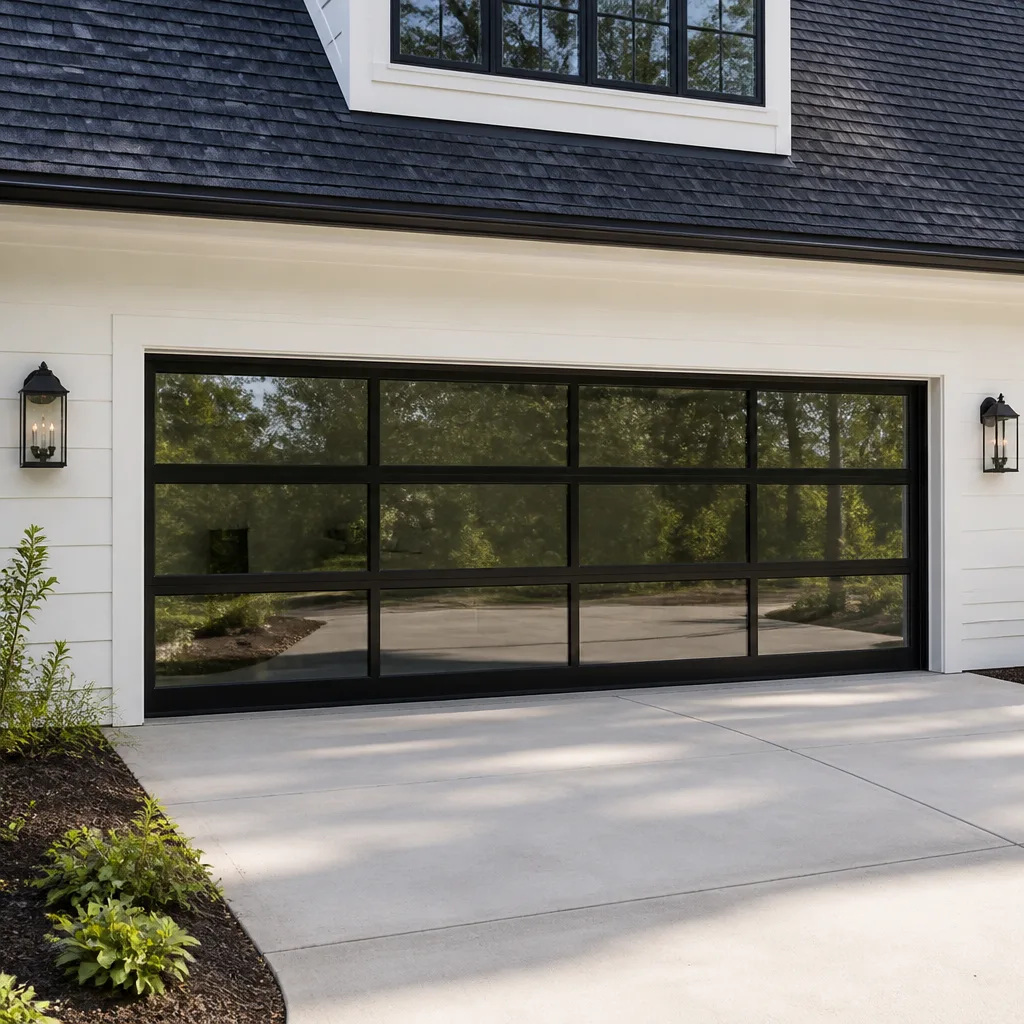 Full-view glass
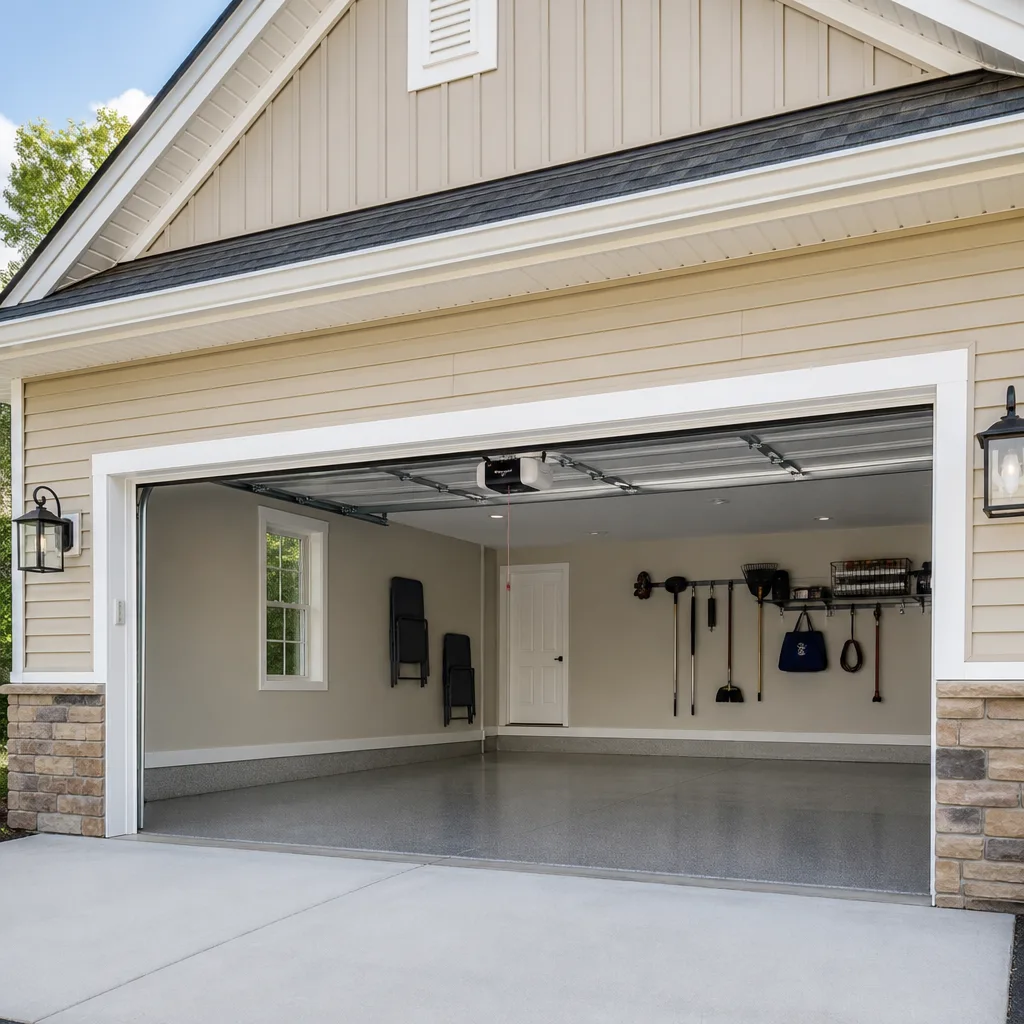 LiftMaster openers
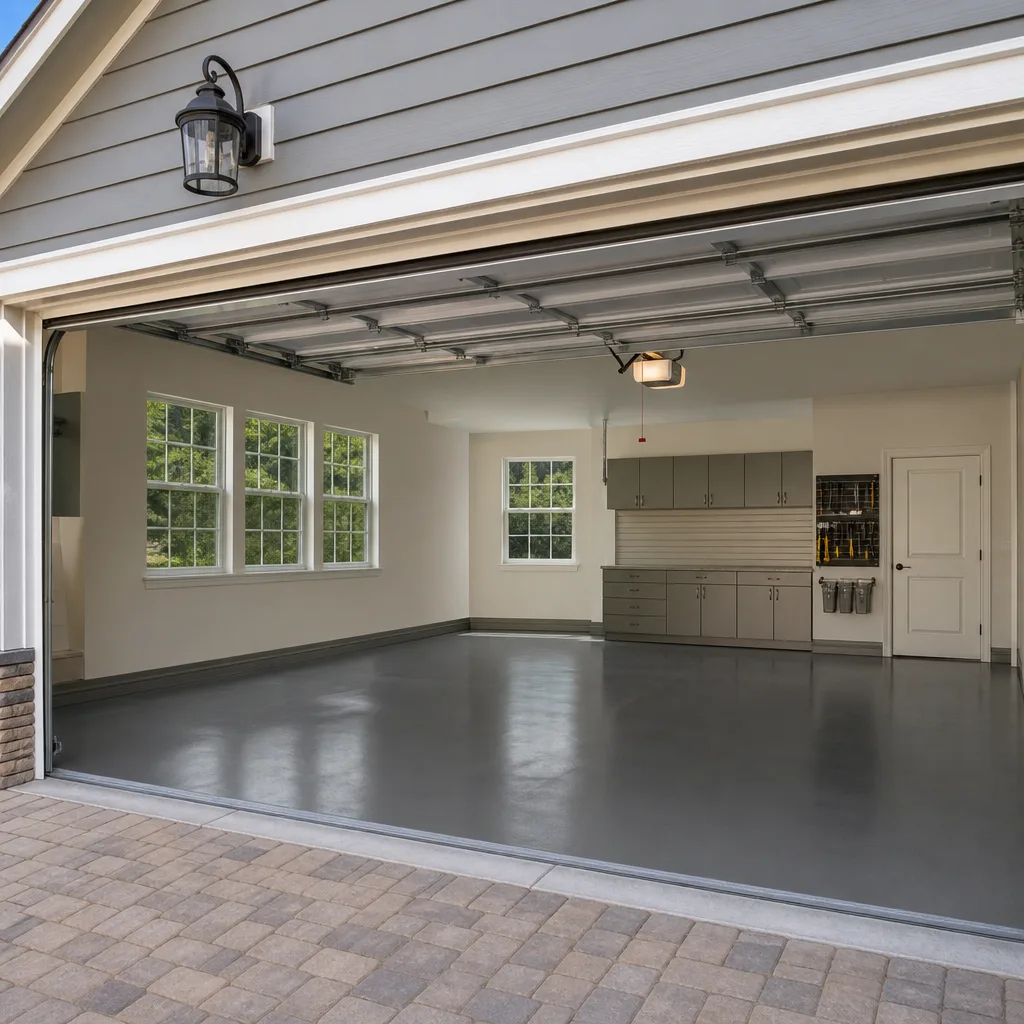 Chamberlain openers
Full 25-point door and opener safety check with every visit - springs, cables, rollers, tracks, and your LiftMaster or Chamberlain opener included
You get a price before we start. It does not change when the truck arrives.
Get your free estimateGarage Door Emergency Preparedness Guide for Kissimmee Homes
When a torsion spring snaps in a Kissimmee garage, the sound is unmistakable – like a gunshot muffled by drywall. What happens next determines whether you’re looking at a $200 repair or a $1,200 door replacement. Most homeowners’s first instinct is to hit the opener button again to see what’s wrong. That’s exactly the action most likely to cause a cable failure, a bent track, or a door that comes off its rollers entirely. This guide is built from years of responding to emergency calls across Kissimmee, Poinciana, and St. Cloud. You’ll learn how to read your door’s symptoms from a safe distance, how to manually operate it without making things worse, how to secure it before a storm, and exactly what to tell a dispatcher so the right parts arrive on the first truck. For Garage Door Repair Troubleshooting: Common Problems and How to Fix Them, see our dedicated guide.
Quick Answer
Garage door emergencies in Kissimmee fall into two categories that require opposite responses: storm-related failures where you need to manually secure the door, and mechanical failures where operating it further makes the damage worse. If a spring is broken, do not use the opener – use the emergency release only if the door is already down. If the door won’t close before a storm, secure it with a manual slide lock or bolt through the track, never with a rope tied to the handle. Call a specialist at (844) 662-1429 for free phone diagnosis and same-day emergency response in Kissimmee.
Styles & brands we work with
Table of Contents
- Storm Failures vs. Mechanical Failures: Why Your Response Should Be Opposite
- Reading the Symptom Pattern: Spring, Cable, or Opener Failure (Without Touching Anything)
- How to Safely Operate Your Garage Door Manually During a Power Outage
- Temporarily Securing a Door That Won’t Close Before a Storm: The Right Method and the Dangerous One
- The Bracket-and-Lock Approach for Hurricane Preparation
- What to Tell the Dispatcher So the Right Parts Arrive on the First Truck
- Kissimmee-Specific Vulnerabilities: Heat, Humidity, and Hurricanes
- Common Mistakes to Avoid
- When to Call a Professional
- Frequently Asked Questions
Storm Failures vs. Mechanical Failures: Why Your Response Should Be Opposite
A garage door that fails during a thunderstorm in Kissimmee looks different from one that fails on a Tuesday afternoon in February. The storm failure is usually about wind pressure, debris impact, or water intrusion – the door itself may be structurally sound but stuck, jammed, or unable to seal. The mechanical failure is a component that has worn out: a broken torsion spring, a snapped cable, a stripped gear in the opener. Your instinct in both cases might be the same – get the door working again – but the correct response is opposite.
For storm failures, the priority is securing the home. A garage door that won’t close leaves your house exposed to rain, wind, and whatever the storm carries into Kissimmee. The risk of forced entry during extended power outages after a hurricane is real. In mechanical failures, the priority is preventing further damage. A broken spring is not the door’s only injury – it’s the first one. Every time you hit the opener button on a broken spring, the motor strains against the imbalance. Cables snap. Tracks bend. The door can drop suddenly and come off its rollers, turning a spring replacement into a full door reinstallation.
Storms in central Florida tend to arrive fast. One moment the sun is out over Lake Tohopekaliga, the next you’re getting a severe thunderstorm warning on your phone. That’s why the single most valuable thing a Kissimmee homeowner can do is practice manual operation before the emergency happens. Know where your emergency release cord is. Test it once a quarter. Make sure your manual slide lock actually engages. Our Garage Door Repair Maintenance Checklist for Kissimmee Homeowners covers what to check and when. When the power’s out and wind is pushing against your door, you don’t want to discover for the first time that the lock is rusted shut.
One more distinction: a door that is stuck halfway open is the most dangerous state a garage door can be in. The springs are partially loaded, the cables have no tension, and the door is fighting gravity. If you see a garage door frozen in the middle of its travel, do not try to pull it down or push it up. Call a professional. In our experience in Kissimmee, this is one of the most common situations we respond to after high-wind events – and one of the scenarios where a DIY attempt causes the worst injuries.
Reading the Symptom Pattern: Spring, Cable, or Opener Failure (Without Touching Anything)
You can diagnose most garage door failures without touching the door, the opener, or even going into the garage if the door is closed. The symptom pattern tells you what failed. Here’s how to read it.
Spring failure: You hear a loud bang. The entire garage shakes. The door moves a few inches when the opener kicks in, then stops or labors badly. If the door is closed and you try to open it, the opener sounds like it’s straining against concrete. A broken torsion spring will almost always have a visible gap in the coil somewhere along its length. The door will be extremely heavy to lift manually – you’re now lifting the full weight of the door without spring assistance. On a 16-foot Clopay or Wayne Dalton door, that’s 200 to 400 pounds.
Cable failure: No loud bang, but the door jerks hard to one side as it moves. One corner of the door lags behind the other. You may see a loose cable hanging from the side of the track. The door often comes to rest at an angle. This is easier to hear on LiftMaster and Chamberlain openers, which have that gentler ramp-up – the belted drive will shudder as it strains against the one working cable. If you see a loose cable and the door is still in the tracks, the safest move is to leave the door in place and isolate the opener. Do not run the opener. It will pull the remaining cable free and the door will come down hard.
Opener failure: You hear no bang and no jerk. The door either doesn’t respond at all, or the opener motor runs but the door doesn’t move. Listen for a grinding sound – that’s a stripped gear inside the operator, extremely common on Genie and older Craftsman units after years of Florida humidity rusting the internal components. If the opener runs smoothly but the door won’t move, the travel module or the logic board has failed, or the emergency release is already disconnected. Openers in Kissimmee garages run in wet, salt-adjacent air – logic board failures after 5 to 8 years are routine.
How to tell which one you have without touching anything: a spring failure is loud and happens all at once. A cable failure shows itself when the door is mid-travel and jerks. An opener failure is quiet, and the door itself looks fine. Any of them means don’t hit the opener button again. Pull the release cord only if the door is fully down. If the door is up, leave it up and call for service – or use the manual-safety method described below to bring it down without the opener.
How to Safely Operate Your Garage Door Manually During a Power Outage
Power outages hit Kissimmee differently depending on the season. Summer afternoon thunderstorms knock out power for 20 minutes. A hurricane can leave entire neighborhoods dark for days. Either way, you’re going to want to get your car out of the garage at some point, and that requires operating the door manually.
The emergency release is the red cord hanging from the opener rail – usually with a red plastic handle. Pulling it disconnects the opener carriage from the door, allowing you to move the door by hand. But the order of operations matters more than most people realize.
- Verify the door is fully closed. If the door is in the middle of its travel and the power dies, leave it alone until help arrives. A door with a broken spring or no spring tension will free-fall when you pull the release. If the door is fully down, it’s safe to proceed. If the door is fully up, it’s sitting on the horizontal track with the springs holding most of the load – pulling the release is usually safer but the door will still be heavy when you try to move it.
- Pull the emergency release cord once, firmly, straight down. You’ll hear a click. The carriage will separate. Do not pull the cord while the door is moving.
- Test the door’s weight by lifting it six inches. A properly balanced door with intact springs should lift with about 8 to 10 pounds of force and stay where you leave it. If it requires significant effort or starts to drop, the springs are shot or partially damaged – stop and call a professional. You should not be fighting a 300-pound garage door in a dark garage.
- Lift the door to full open position using both hands on the handle. Stand inside the garage, not outside. Use your legs, not your back. The door will want to stop at the top of the track – if it doesn’t, the springs are failing and you need to abort.
- To re-engage the opener later: pull the release cord back toward the opener until the carriage reconnects, or run the opener until the carriage snaps back onto the trolley. On LiftMaster and Chamberlain units with automatic locking, the lock re-engages when the opener runs through a full cycle.
During hurricane season, we hear from Kissimmee homeowners who’ve pulled the release cord during an outage without realizing the door was partially open. Then the door drops. A 16-foot Wayne Dalton door falling from even 4 feet can shatter a concrete floor and cause serious injury. If there’s any doubt about the state of the springs, call a specialist. Our technicians respond to manual-operation emergencies throughout Kissimmee and will tell you over the phone whether it’s safe to attempt.
Temporarily Securing a Door That Won’t Close Before a Storm: The Right Method and the Dangerous One
A garage door that won’t close when a storm is bearing down on Kissimmee is a genuine emergency. The opening is 7 to 16 feet wide, and whatever is inside it – your car, your Hurricane supplies, your water heater – is about to get wet. But the method you use to secure the door determines whether you’re protecting your home or setting up a serious injury.
The right method: if the door is in the down position but won’t stay down (usually because the springs are broken and gravity is the only thing holding it), engage the manual slide lock. It’s a small steel bar on the inside of the door, usually in the center, that slides into a hole in the track. If the door doesn’t have a slide lock – many newer Amarr and Clopay doors don’t – insert a 3/8-inch bolt through the track, right behind one of the rollers. Thread it through the hole in the track and secure it with a nut on the outside. Do this on both tracks. That locks the door physically in place.
The dangerous method: tying a rope from the door handle to a car, a ladder, or a workbench. Every hurricane season we get called to Kissimmee homes where someone has improvised a tiedown. Tension on a rope at an angle pulls the door sideways, out of its tracks. When the wind gusts, the slack-tension cycle saws the rope back and forth across metal until it snaps – or worse, pulls the door off its hinges entirely. Rope is for anchoring a boat, not a garage door.
If the door is stuck in the open position and won’t come down, do not attempt to muscle it closed. A 400-pound door that’s stuck on a broken spring can crush whatever is underneath it if the spring lets go. Instead, board up the opening from inside or use storm panels if you have them. The priority is keeping flying debris out, not getting the door closed.
After the storm passes, leave the improvised lock or bolt in place until a professional arrives. The bolt is holding the door up against its own weight, and removing it without proper spring support will release all of that weight at once. See our page on Garage Door Repair in Taft for more on what a full post-storm repair involves, or call (844) 662-1429 from anywhere in Kissimmee for an emergency response.
The Bracket-and-Lock Approach for Hurricane Preparation
Kissimmee sits far enough inland that direct hurricane landfalls are rare, but outer bands still bring sustained winds of 60 to 80 mph. Garage doors are the largest opening in most homes and the most common point of failure under wind pressure. A door that gives way allows wind inside the garage, which then pushes up on the roof – that’s how you lose a roof in a storm that never actually made landfall near you.
For doors without a working automatic lock, the bracket-and-lock approach is the standard manual hardening used across central Florida. It’s simple, inexpensive, and compatible with any brand from Genie to Clopay.
Here’s how to do it before the storm season starts:
- Gather the materials. You need two 3-inch angle brackets, four 3/8-inch bolts with matching nuts, and a drill. This costs under $20 at any hardware store in Kissimmee.
- Mark the position. With the door fully closed, mark the track exactly behind the bottom roller on each side. The brackets will go just below that point, anchored to the garage floor.
- Drill the concrete. Use a masonry bit and anchor the brackets to the floor with a hammer drill. The garage floor is stressed concrete; drill slowly and let the bit do the work.
- Install the bolt. Slip a 3/8-inch bolt through the track, behind the roller, and secure it with a nut. When you push the bolt through and tighten it, the door physically cannot lift – the roller is trapped.
- Test it before the season. Install the bolts, then try the opener. If the door moves at all, the bolts are not seated correctly. Remove and reinstall.
This approach is standard for older homes in the Kissimmee Bay and Orange Gardens neighborhoods, where doors installed in the 1980s and 1990s won’t have automatic locks. Most modern LiftMaster and Chamberlain openers have a built-in automatic deadbolt that engages when the door closes – if you own one of these, you may not need the bracket-and-lock. But it’s worth verifying that your automatic lock actually works before you discover it doesn’t during a hurricane watch. Our technicians check automatic lock engagement as part of every Garage Door Opener Repair in Taft call, and we’ll tell you over the phone whether your unit has this feature or not.
What to Tell the Dispatcher So the Right Parts Arrive on the First Truck
Emergency garage door service only works if the technician arrives with what they need. The difference between a 90-minute fix and a three-hour round-trip to a parts supplier in Orlando is often the information you give on the phone. Here’s what a dispatcher actually needs to hear.
1. The symptom, not your diagnosis. “The door made a loud bang and now it won’t open” is far more useful than “I think the spring is broke.” The technician will make the diagnosis; their job is to bring the right parts, and the symptom narrows it down.
2. The door’s brand and approximate age. Most Kissimmee homes have Clopay, Amarr, or Wayne Dalton doors, and those brands use different spring specifications. If you know the model – it’s usually on a sticker at the top of the door panel – even better. The brand helps the technician pull the right spring before they leave the shop.
3. The door’s width and whether it’s double or single. Double doors (16 feet wide) use heavier springs than single doors (8 feet). This changes which parts go on the truck.
4. Whether the door is up, down, or stuck in the middle. Critical safety information. A door stuck in the middle tells the technician to bring extra cable-fall protection equipment.
5. Your exact location, including any gate codes. Half of Kissimmee lives in gated communities. A technician who can’t get through the gate wastes 20 minutes of an emergency response. Provide the gate code when you call.
6. Whether the car is inside. If your vehicle is trapped in the garage and you need to get to work, that’s a different priority than a door you just don’t want left open.
When you call Kissimmee Garage Door Service at (844) 662-1429, the dispatcher will walk you through these questions. Technicians carry parts for LiftMaster, Chamberlain, Genie, Clopay, Amarr, Wayne Dalton, Craftsman, and Raynor systems, because there’s no point having a specialist who only fixes one brand – and there’s no point in dispatching a truck across Kissimmee twice because the wrong spring was loaded. The right parts for your brand, not a workaround.
Kissimmee-Specific Vulnerabilities: Heat, Humidity, and Hurricanes
Garage doors in Kissimmee fail in patterns that are different from other parts of Florida, let alone other parts of the country. Understanding these local factors helps you spot problems before they become emergencies.
Heat and humidity. A Kissimmee garage in July can reach 120 degrees inside. That heat accelerates metal fatigue in torsion springs – the coils expand and contract daily, and after a decade, that’s millions of stress cycles. Humidity is worse than heat in many ways. Unsealed bearings rust. Cable strands corrode from the inside and snap without warning. The opener logic board sits in that environment, and components rated for 10 years in a dry climate will last 5 to 7 here. This is why spring failures in Kissimmee are heavily concentrated in the summer months and why a rusted cable can fail on a perfectly calm day.
Wind loading during storm season. Garage doors are rated for a specific wind load, and many older doors in Kissimmee were installed before the current Florida Building Code was adopted. A door rated for 90 mph wind in a neighborhood that now gets 110 mph gusts is under-specified. The failure mode isn’t the door blowing in – it’s the track separating from the wall or the cable drum unloading, allowing the door to twist and jam.
Salt air. Kissimmee isn’t on the coast, but the air still carries enough salt for it to matter, especially near the lakes. Cable corrosion is accelerated. Hardware rusts more quickly than it does inland. Homeowners near the Kissimmee Bay and Shingle Creek areas should inspect cables twice a year as a minimum.
Community-specific installation patterns. Many of the communities in Kissimmee – particularly the planned developments around 192 and the older neighborhoods north of Vine Street – were built in the 1980s and 1990s with single spring doors that are now hitting the end of their service life. These doors use older Genie and Craftsman openers that are no longer manufactured, and repair parts are increasingly scarce. When a spring fails on one of these doors, the correct fix is often a two-spring conversion rather than a straight replacement, because the door’s weight has increased over the years with paint, added struts, or insulation panels. If you’re not sure what kind of door you have, take a look at the spring assembly. One spring means the door is 25 to 40 years old, and it’s time to plan for a conversion. A two-spring system is the modern standard, whether you have an older or newer installation. For details on permits and compliance, see Garage Door Permits, Codes & Inspections in FL: What You Need to Know. Amarr, Clopay, or Wayne Dalton door.
This local vulnerability profile is why we recommend an annual inspection before storm season. It’s cheaper to replace a cable that’s 50 percent rusted than to repair a door that’s fallen off its tracks. Our team serves the full Kissimmee market, including Taft, where many of these older doors remain in daily use. See our Kissimmee Garage Door Service home page for more about how we approach preventative maintenance.
Common Mistakes to Avoid
- Hitting the opener button after a spring snaps. The opener motor is not a diagnostic tool. Every attempt on a broken spring strains the remaining cable and risks pulling the door out of square. This is the single most common way a $200 spring replacement becomes a $900 door repair in Kissimmee homes.
- Pulling the emergency release while the door is partially open. The release cord disconnects the door from the opener, not the door from gravity. If the spring has failed and you pull the release mid-travel, the full weight of the door is now in your hands. Pulling it with the door two feet off the ground is how fingers get crushed.
- Tying a rope to the handle to hold a door closed. Wind pressure turns a rope-tied door into a battering ram. The rope pulls the door sideways out of its tracks, and the repeated tension-slack cycle can snap the rope and send it flying. Use a physical slide lock or bolt through the track.
- Forcing a bound door with a pry bar. A door that’s stuck in the tracks is under tension. Prying at it releases that tension unpredictably. The pry bar becomes a lever, the door becomes a projectile, and you become the point of impact.
- Trying to reset a breaker on an opener that’s been submerged. If your garage flooded during a hurricane – a real risk in the lower-lying areas of Kissimmee – do not power the opener back on. Saltwater intrusion into a Genie or Chamberlain opener’s logic board will short it out the moment power returns. Unplug it, let it dry, and have a professional inspect it before re-energizing.
- Replacing a single spring on a two-spring door. Springs are a matched pair. If one breaks, the other has been wearing at the same rate and is days or weeks from failing. Replace both. A technician who quotes only one spring on a two-spring door is doing you a disservice in the long run.
- Ignoring a noisy door because it still works. Screeching, grinding, or popping sounds from the spring area mean bearings or springs are failing. In Kissimmee’s humidity, that timetable is shortened. A part that squeaks in January will often break in June. Address the noise before it becomes an emergency call.
When to Call a Professional
Some garage door problems you can live with. A broken spring is not one of them. A cable that’s snapped and left a door hanging at an angle is not one of them. A door that won’t close and a hurricane watch has been issued is not one of them. Any time the door’s weight is unrestrained, you are in the injury zone. A torsion spring holds 80 to 150 pounds of torque. When it lets go, it does not ask permission. If you’re not certain whether a part is safe to touch, the answer is that it isn’t.
Kissimmee Garage Door Service offers free estimates in Kissimmee and responds to emergency calls throughout the metro area. Our technicians carry parts for all eight major brands we service, work on brand-specific systems rather than improvising workarounds, and we’ll quote you the price before any work starts – you approve it, then we do it. One call covers repair, opener, or new installation. Call (844) 662-1429. Browse our more guides & resources for additional homeowner tips.
Frequently Asked Questions
Emergency garage door service in Kissimmee typically costs $75 to $125 for the call-out and diagnosis, with actual repair parts between $150 and $450 for most spring replacements and $90 to $200 for cable repairs on common Clopay, Amarr, and Wayne Dalton doors. The price is quoted and agreed before any work starts. Call (844) 662-1429 for an exact quote.
Yes, Kissimmee Garage Door Service offers same-day emergency response throughout Kissimmee, including Taft and the surrounding neighborhoods. Technicians carry common spring sizes for the brands most installed in the area on their trucks, so most spring replacements are completed in a single visit.
No. An open garage door in Kissimmee advertises everything inside – tools, bikes, seasonal decorations, sometimes a second refrigerator. Theft from open garages is a year-round issue in central Florida, and it spikes during hurricane evacuations. If your door won’t close, secure it with the manual slide lock, bolt method, or storm panels, and call for repair as soon as possible.
A torsion spring is mounted above the door on a metal shaft and twists to lift the door; an extension spring is mounted on the side and stretches. Kissimmee homes built after about 1990 almost always have torsion springs, which are safer and longer-lasting. Older homes with one-piece doors may still have extension springs. Extension springs should always have a safety cable running through them so the broken pieces don’t fly across the garage.
Standard torsion springs are rated for 10,000 cycles, which works out to 7 to 12 years for most Kissimmee homes. Doors used multiple times a day – common in households with teenagers or home-based businesses – will wear springs out in 5 to 7 years. Florida heat and humidity accelerate the process. If your spring has visible rust or is over 8 years old, an annual inspection is the minimum safeguard.
Yes. Technicians carry parts for LiftMaster, Chamberlain, Genie, Clopay, Amarr, Wayne Dalton, Craftsman, and Raynor on their service vehicles. You won’t be told to replace a door just because the technician only stocks one brand’s parts. Kissimmee Garage Door Service is a brand-agnostic, garage-door-only specialist – we service the brand you already own. Call (844) 662-1429 for a free estimate.
The Bottom Line
Garage door emergencies are not random. They follow patterns dictated by age, environment, and the kind of stress a door gets put under in Kissimmee on a daily basis. A 15-year-old door in a humid Kissimmee garage is a breakdown waiting for its date on the calendar. What turns a breakdown into a catastrophe is the wrong response in the first 60 seconds. Don’t hit the opener a second time. Don’t pull the release cord while the door is mid-travel. Don’t tie ropes to anything. Read the symptom, secure the door if needed, and call a specialist who carries the parts for your brand. Kissimmee Garage Door Service handles emergency door repair, opener repair, and full door installation across the entire Kissimmee area. Call (844) 662-1429 – we’ll help you get the door closed, secured, and squared away before it becomes anything worse.
Written by the team at Kissimmee Garage Door Service, serving Kissimmee since 2011.
See the difference
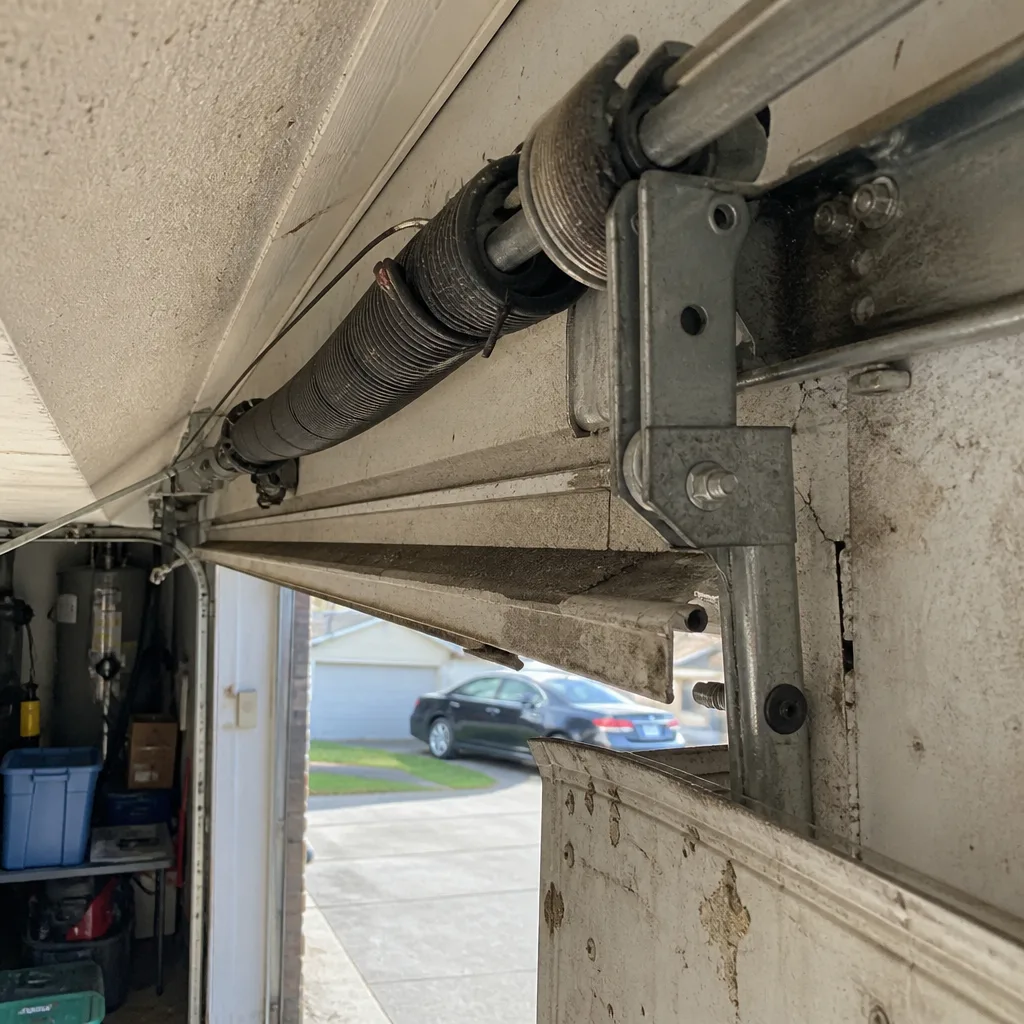 Before
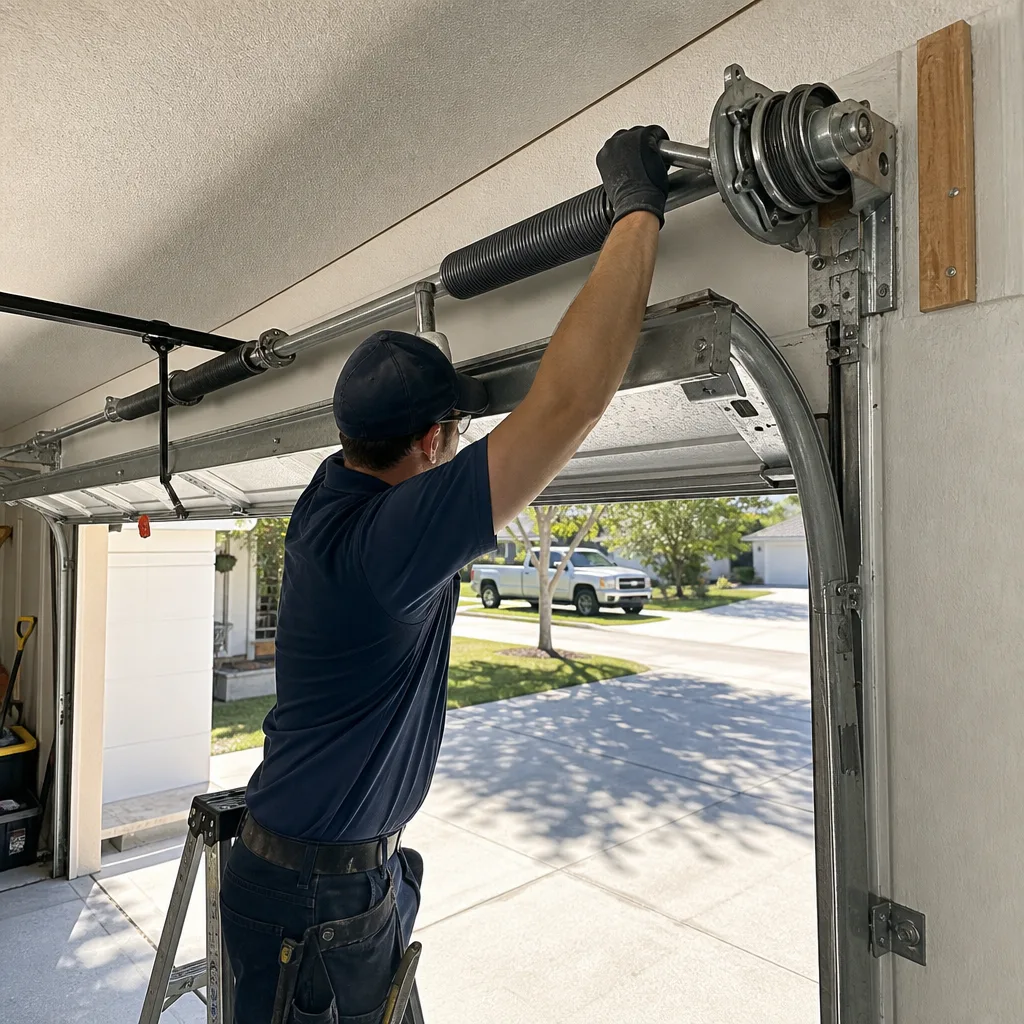 After
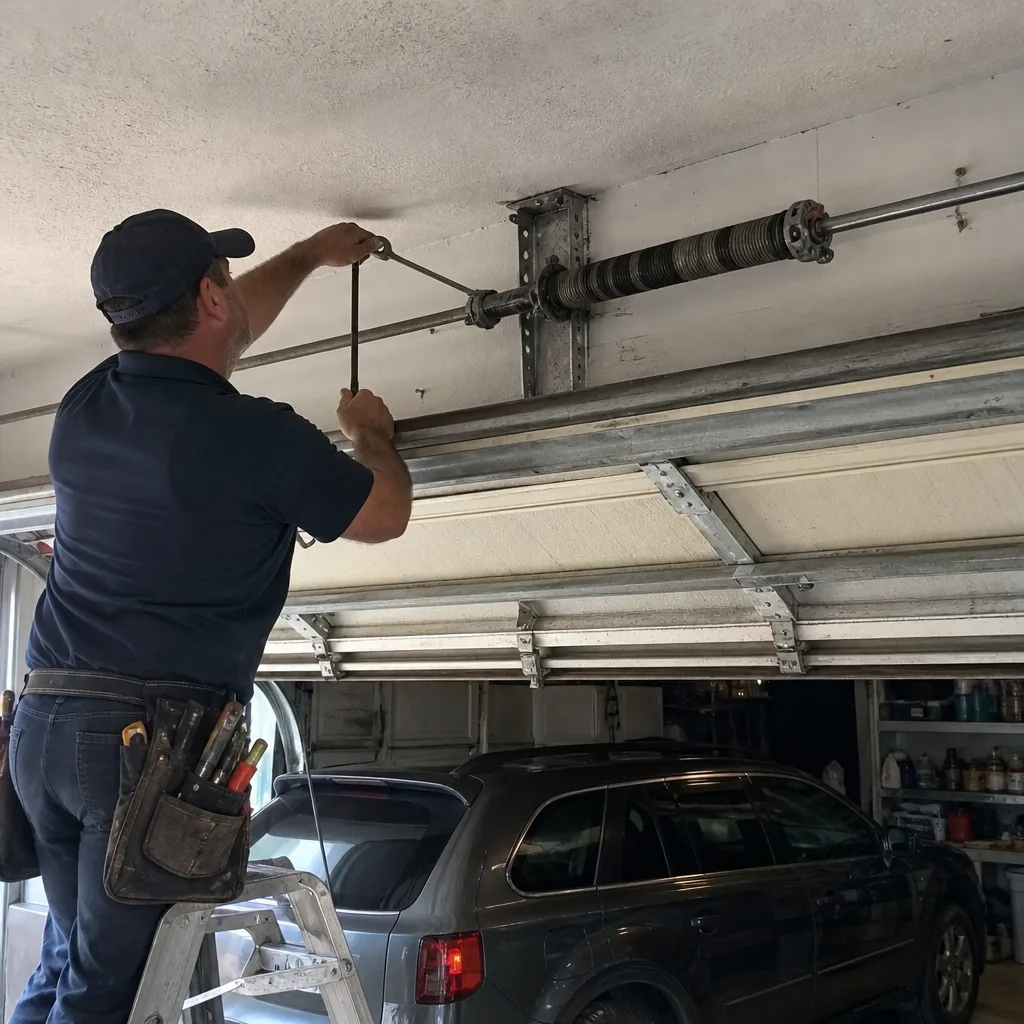 Before
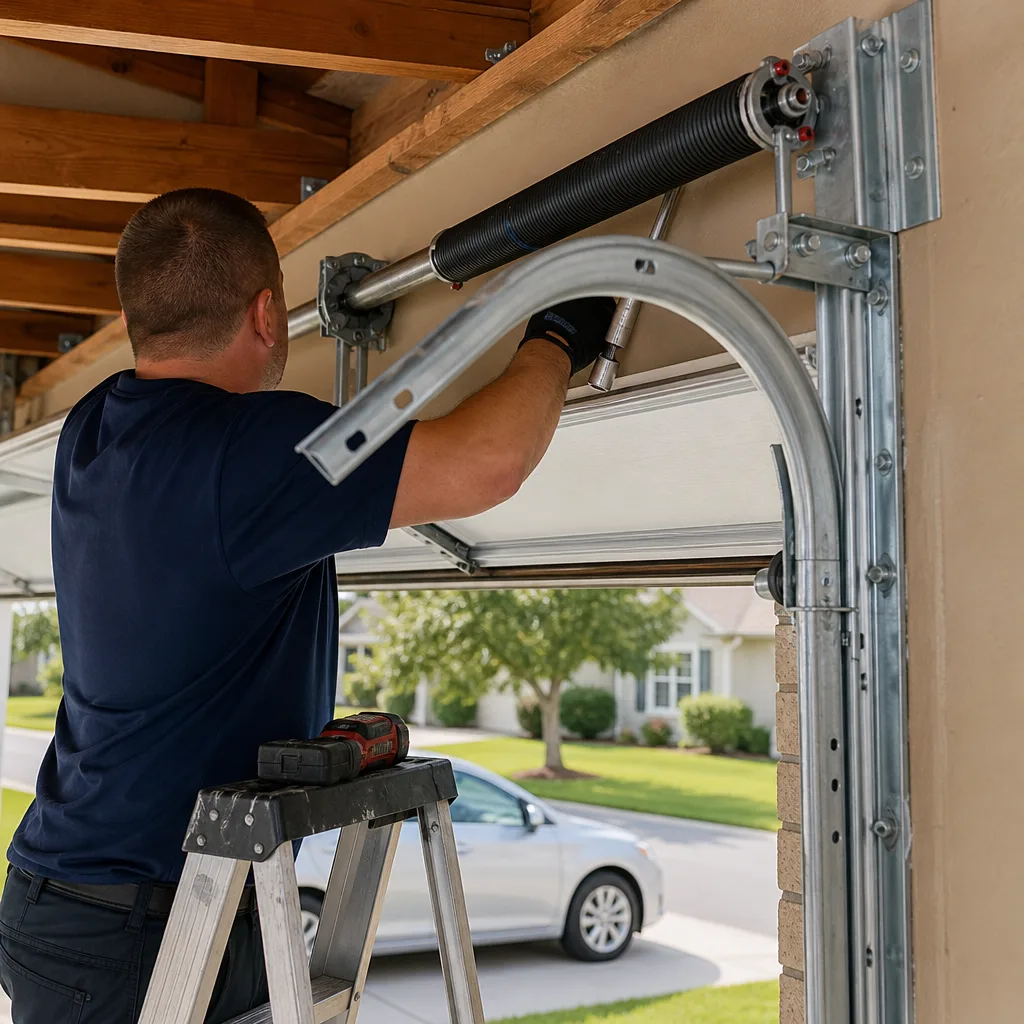 After
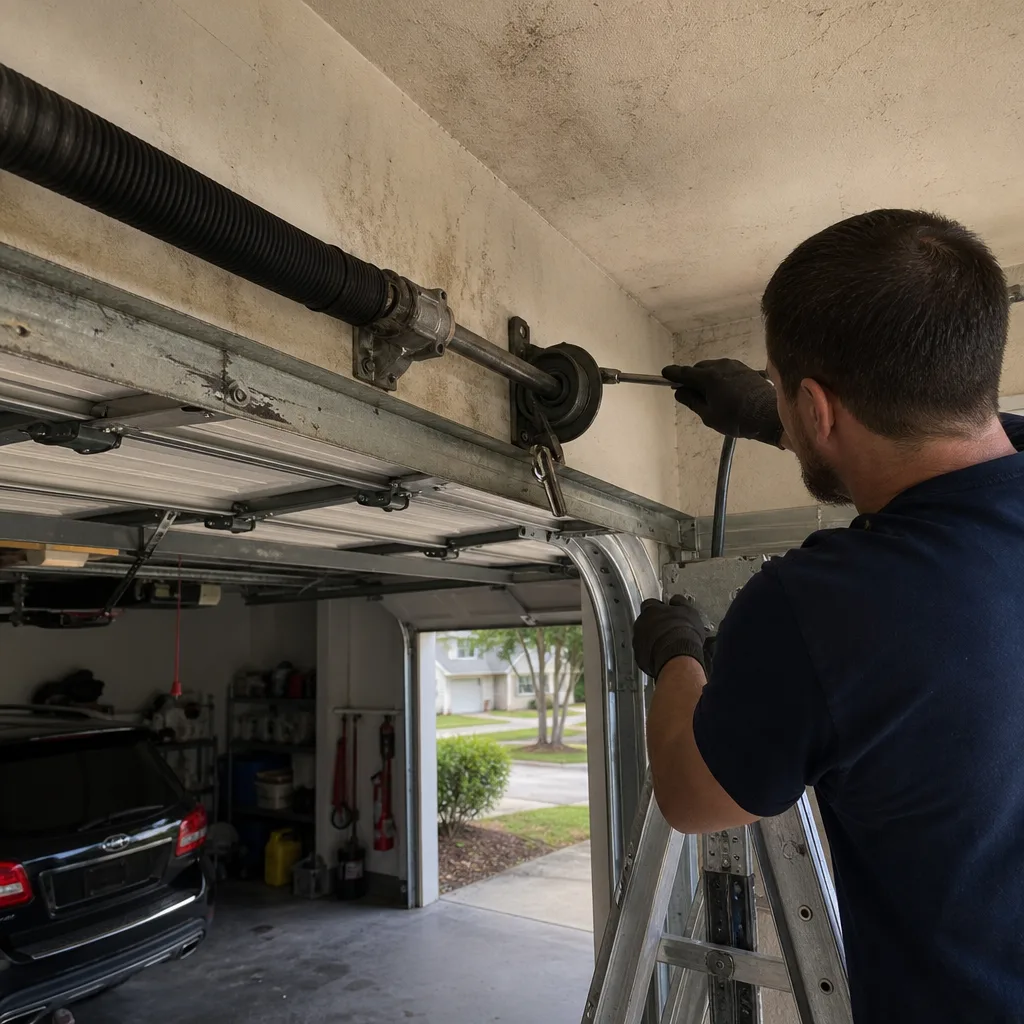 Before
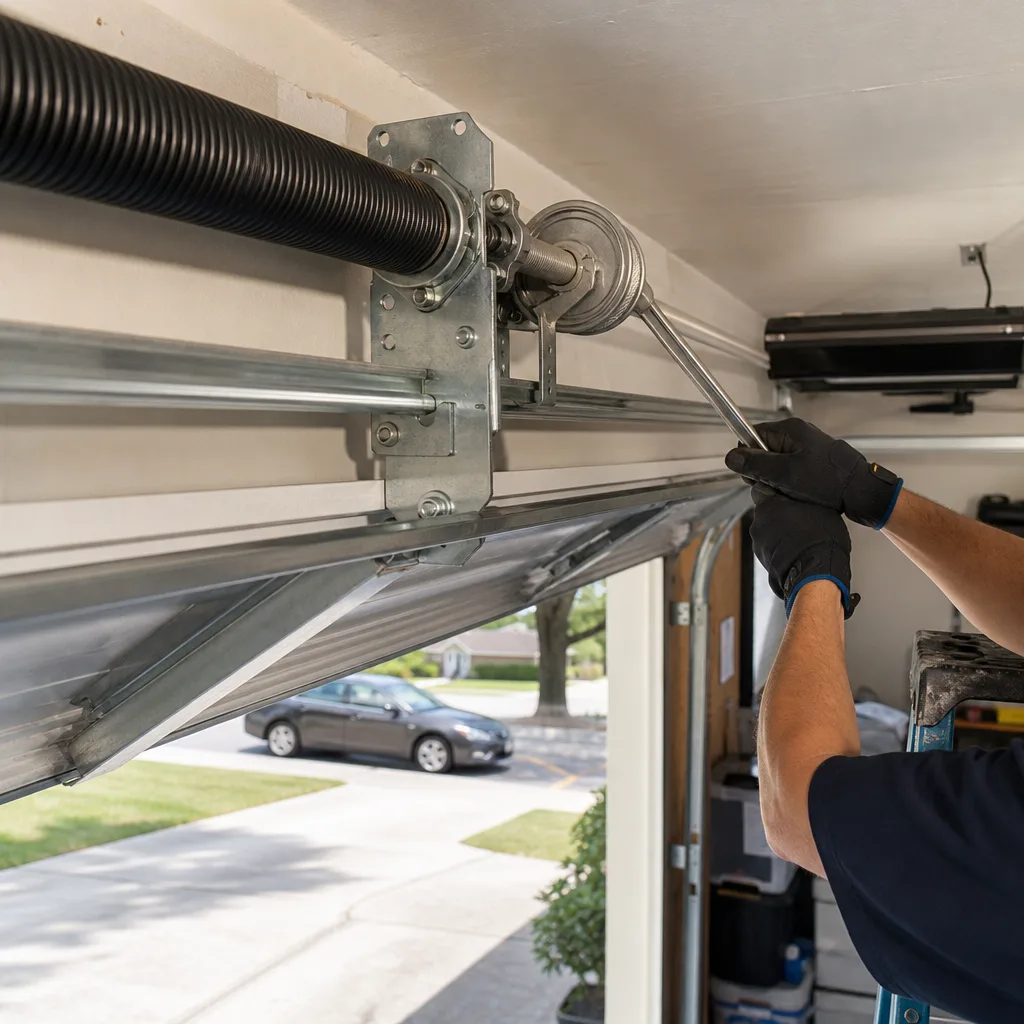 After