
Last updated October 31, 2026
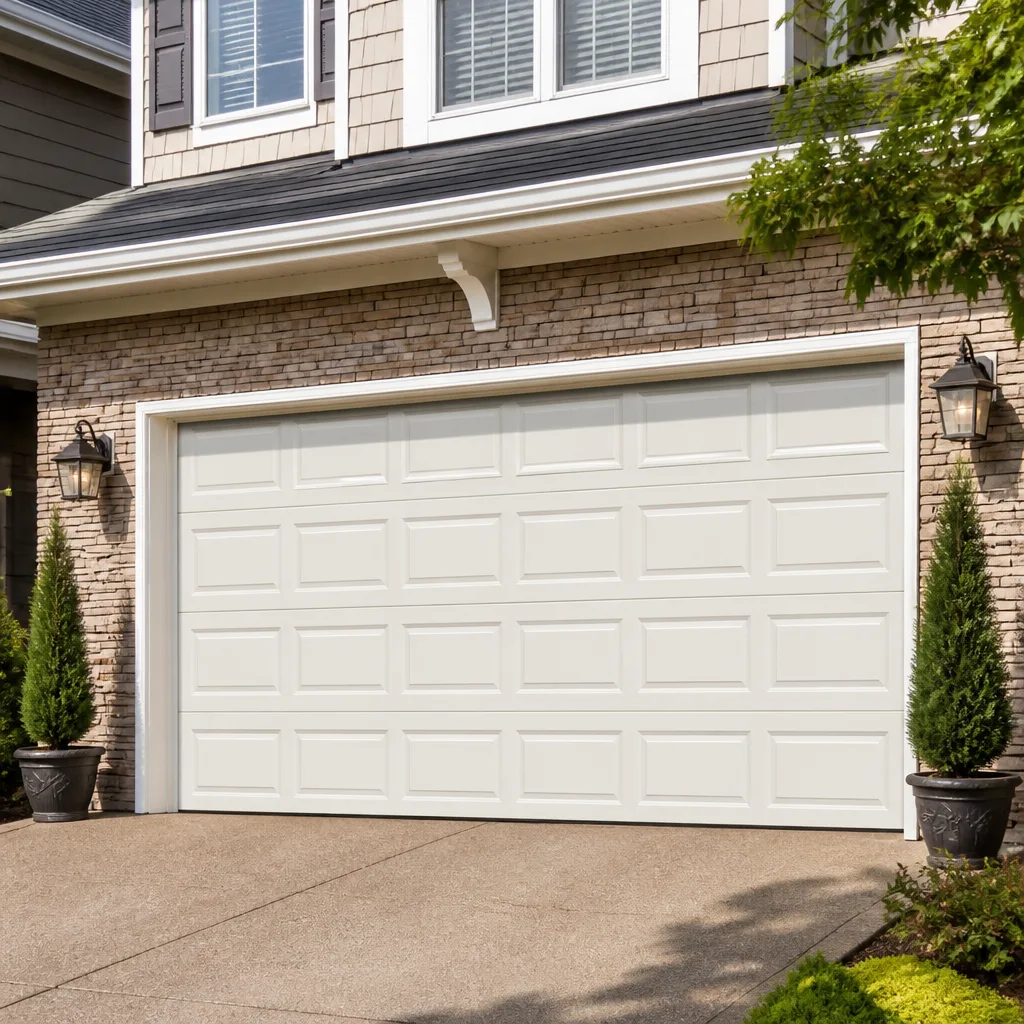 Raised-panel steel
 Carriage house
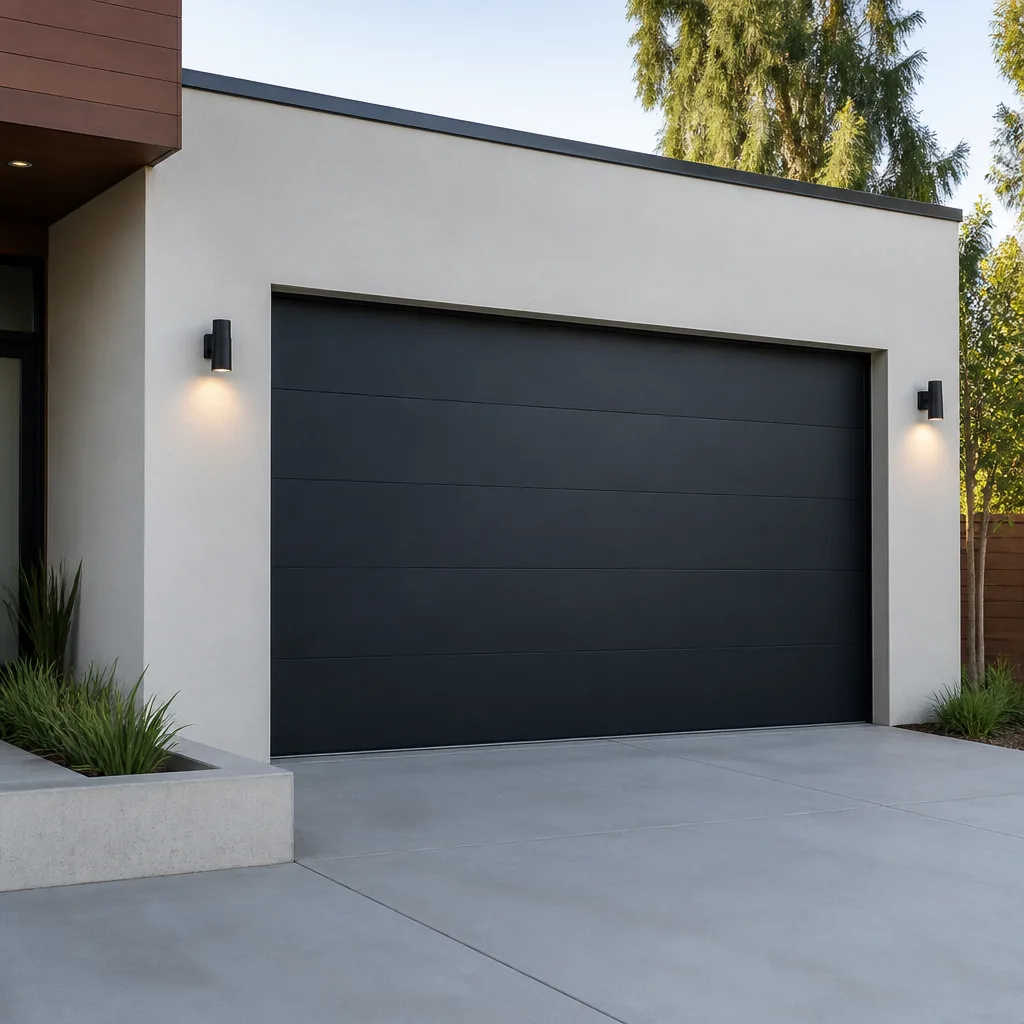 Modern flush
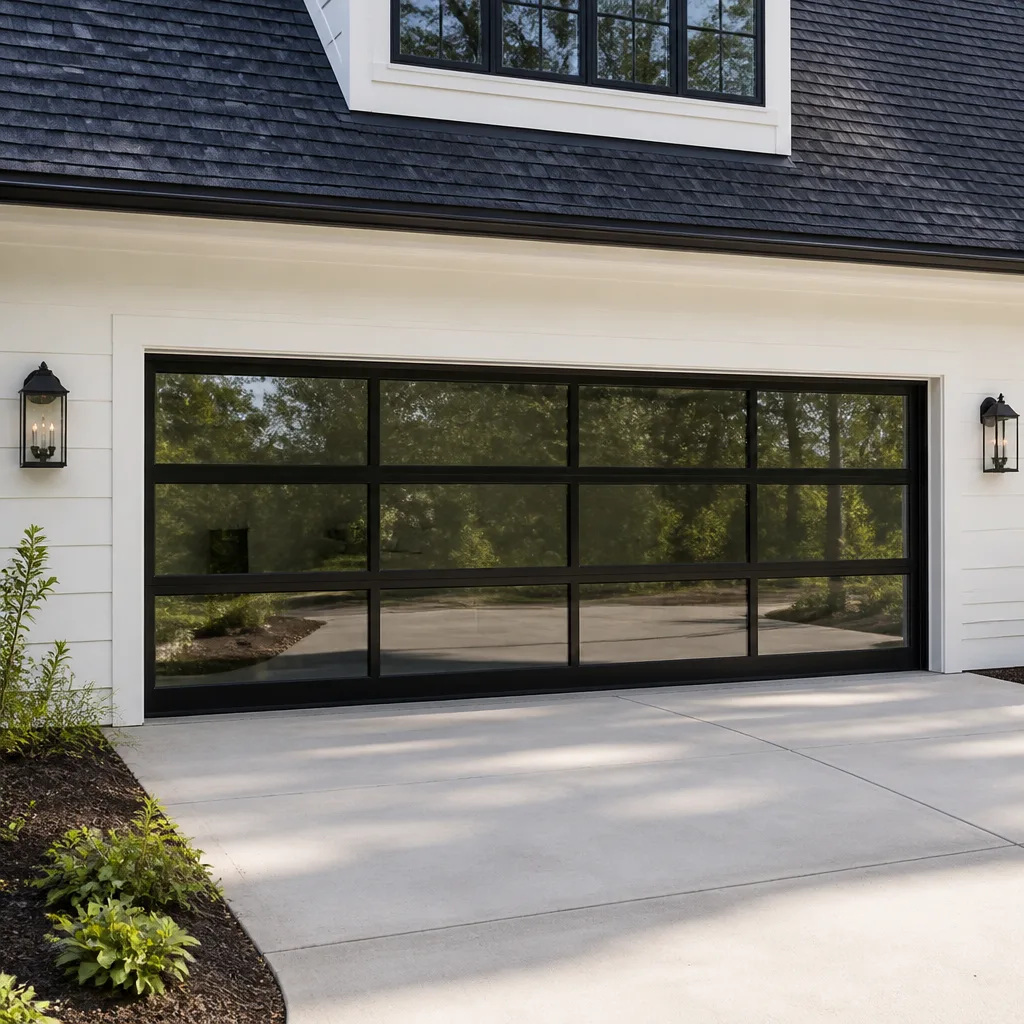 Full-view glass
 LiftMaster openers
 Chamberlain openers
Full 25-point door and opener safety check with every visit - springs, cables, rollers, tracks, and your LiftMaster or Chamberlain opener included
You get a price before we start. It does not change when the truck arrives.
Get your free estimateGarage Door Permits, Codes & Inspections in FL: What You Need to Know
A garage door swap sounds like a simple weekend project until your real estate attorney finds an unpermitted installation during closing. Florida code violations follow the property, not the owner who created them. That means a door installed without permits in 2019 becomes your problem when you sell in 2026. We’ve helped homeowners across Kissimmee untangle this exact situation, and the fix is rarely as painful as it first sounds. Here’s what actually triggers a permit, what inspectors check, and how to handle a door that was installed without one.
Quick Answer
In Florida, a garage door permit is required when you install a new door, replace an existing door with one that has a different wind-load rating or size, or alter the structural opening. A straightforward swap where the new door carries the same or higher wind-load approval as the old one, in the same opening, may not require a permit depending on your county’s local amendments. In Kissimmee and Osceola County, the trigger for permits on garage doors is stricter than many homeowners expect, and the enforcement mechanism is often the resale inspection, not the installation itself. For a deeper look at what to watch for, see our Garage Door Warning Signs: A Kissimmee Homeowner’s Reference Guide.
Styles & brands we work with
Table of Contents
- When a Garage Door Permit Is Required in Florida
- When a Permit Is NOT Required
- How Osceola County Amendments Change the Rules in Kissimmee
- Wind-Load Ratings and Product Approval Numbers (NOAs)
- The Inspection Process: What Inspectors Actually Check
- What Happens When a Previous Owner Skipped the Permit
- DIY Installation vs. Hiring a Contractor: What Changes
- Permit Costs and Timelines in Osceola County
When a Garage Door Permit Is Required in Florida
The Florida Building Code (FBC) governs garage door installations statewide, but the way it’s applied varies by county. Here’s the core rule: any garage door installation that changes the structural opening, alters the wind-load resistance of the building envelope, or introduces a product without a valid Florida Product Approval triggers a permit. That sounds technical, so let’s break it into practical terms.
A permit is required in Florida when any of the following apply:
- New construction: Any new garage door installed in a newly built home or a newly added garage requires a permit as part of the broader construction approval.
- Door size changes: If you’re widening or narrowing the rough opening to accommodate a different door size, that’s structural work. Permit required, no exceptions.
- Wind-load rating changes: This is the one that catches Kissimmee homeowners off guard. If your existing door has a lower wind-load rating and you’re replacing it with a door rated for a lower wind pressure, that technically reduces the building’s resistance to hurricane-force winds. The code treats this as a downgrade, and it requires a permit and an engineer’s review in some cases.
- Non-rated door replacing a rated door: Florida requires garage doors in wind-borne debris regions (which includes Kissimmee and most of Osceola County) to meet specific wind-load requirements. Installing a door without a Florida Product Approval Number in a location that requires one is a code violation and requires remediation.
- Track and mounting system changes: If the new door requires different track mounting points or structural reinforcement of the surrounding framing, that triggers the permit requirement.
In our experience working on doors across Kissimmee, the most common surprise is the wind-load trigger. Homeowners assume that because they’re replacing a door with the same size door, no permit is needed. That assumption breaks down when the replacement door carries a different product approval rating than what the original builder installed. We get calls about this regularly from homeowners in neighborhoods like Poinciana and Taft who are preparing to sell and discover the door swap from five years ago is now a title issue. Our Garage Door Repair Troubleshooting: Common Problems and How to Fix Them can help you spot issues before they become closing-day surprises. That’s why we always check the existing door’s NOA before recommending a replacement path.
When a Permit Is NOT Required
Florida’s permitting system isn’t designed to make every minor repair a bureaucratic event. There are clear situations where you don’t need to pull a permit for garage door work in Kissimmee.
You generally don’t need a permit when:
- Repairing existing components: Replacing a broken spring, cable, roller, hinge, or panel insert on an existing door is a repair, not an installation. The door’s structural envelope and wind-load rating remain unchanged. No permit needed.
- Replacing the opener: A garage door opener is an appliance mounted to the ceiling, not part of the building’s structural envelope. Swapping a LiftMaster for a Chamberlain or installing a new Genie doesn’t change the door’s wind resistance, so no permit is required in most Florida jurisdictions. It’s an electrical appliance, not a structural modification.
- Same-door replacement with identical specs: If you’re replacing a door with a door of the same size, same or higher wind-load rating, and the installation doesn’t alter the opening or mounting points, many counties treat this as a maintenance replacement. However, this is the gray area that varies by local amendment.
- Cosmetic work: Painting, refinishing, or adding decorative hardware to an existing door doesn’t touch the structural or wind-load performance. No permit needed.
Here’s the practical takeaway for Kissimmee homeowners: if the work involves springs, cables, openers, rollers, or panels, you’re in repair territory and permits aren’t in play. A service like Garage Door Repair in Taft that handles broken springs and cables is permit-free work. If you’re pulling the entire door and track system out and putting something different in, that’s when the permitting conversation starts. Most of our repair calls never involve a permit conversation because the work stays within the existing structural envelope.
How Osceola County Amendments Change the Rules in Kissimmee
The Florida Building Code sets the baseline, but Osceola County has adopted local amendments that tighten certain requirements for garage door installations. Kissimmee falls under Osceola County’s permitting authority, and the local rules add layers that don’t appear in the state code.
Osceola County’s amendments generally do three things:
- Tighten the wind-load requirements. Kissimmee sits in the central Florida wind zone, which isn’t as severe as coastal Miami-Dade or Broward counties, but Osceola still requires garage doors to meet the wind pressure ratings established for the county’s specific wind speed maps. The county’s amendment specifies that replacement doors must meet or exceed the rating of the original door, even when the original was installed under an older code cycle.
- Require permit documentation for rating changes. Where the state code leaves some gray area about same-size replacements with different ratings, Osceola County’s amendment explicitly requires a permit when the replacement door’s wind-load rating differs from the original. This closes the loophole that some installers use to skip permits on same-size swaps.
- Mandate inspections for all permitted door installations. Some Florida counties allow a permit to be closed with a self-certification or a simple final pass. Osceola County requires an actual on-site inspection of the garage door installation before the permit can be closed. That inspection includes verification of the product approval number, anchor spacing, and track mounting.
The practical impact for Kissimmee homeowners: if you’re replacing a garage door and the new door doesn’t carry an identical or higher wind-load approval, you need a permit, and the permit requires an inspection. That’s not a recommendation. That’s the county’s code. We work within this framework every week, and the homeowners who get caught are almost always the ones who hired a contractor who didn’t explain this upfront. Stay ahead of problems with our Garage Door Repair Maintenance Checklist for Kissimmee Homeowners. A proper installer in Kissimmee will tell you before the first bolt comes out whether your replacement triggers a permit.
For anyone considering a full door replacement, our Garage Door Installation in Taft service handles the permit paperwork as part of the installation package. We don’t leave homeowners to navigate the Osceola County permitting desk alone.
Wind-Load Ratings and Product Approval Numbers (NOAs)
A Florida Product Approval Number, often called an NOA (Notice of Acceptance), is the state’s certification that a specific garage door model has been tested and approved for use in Florida’s wind zones. Every garage door legally installed in Kissimmee should have one. Most homeowners don’t know this number exists, and that gap in awareness is exactly where problems start.
Here’s what actually matters about NOAs:
- Every door model has a specific NOA. A Clopay door model isn’t interchangeable with an Amarr model just because they look similar. Each manufacturer submits each model line for testing, and the approval covers specific sizes, wind pressures, and installation configurations.
- The NOA dictates how the door must be installed. The approval document specifies anchor types, anchor spacing, track gauge, and mounting requirements. An installer who doesn’t follow the NOA’s installation instructions has installed the door incorrectly, even if the door itself is approved.
- Your inspector will ask for it. In Osceola County, the inspector typically asks to see the product approval documentation for the door being inspected. If the installer can’t produce it, the inspection stops there.
- The NOA stays with the property records. When the permit is closed, the approved door’s documentation becomes part of the property file. That’s what protects you at resale. A properly permitted and inspected door with a valid NOA is a non-issue at closing. A door without that paper trail is a title problem waiting to surface.
We can’t stress this enough: before you sign a contract for a new garage door in Kissimmee, ask the installer for the product approval number of the exact door they’re quoting. If they hesitate, can’t find it, or tell you “it’s fine, we do this all the time,” that’s a red flag. A legitimate installer working with brands like Wayne Dalton or Raynor can produce the NOA documentation in minutes. It’s not a secret document. It’s a public record maintained by the Florida Department of Business and Professional Regulation.
This is one of the areas where working with a specialist matters. We work across eight major door brands including Amarr, Wayne Dalton, and Raynor, and we pull NOA documentation for every installation we permit in Kissimmee. The right parts for your brand, not a workaround, means the documentation matches the door, not just the dimensions.
The Inspection Process: What Inspectors Actually Check
When you pull a garage door permit in Osceola County, the installation doesn’t end when the last bolt is tightened. It ends when the inspector signs off. Understanding what the inspector is looking for makes the process smoother and helps you spot a sloppy installation before the inspector does.
Here’s the step-by-step of a typical garage door inspection in Kissimmee:
- Permit posting: The permit must be posted visibly at the job site before the inspection is scheduled. Most inspectors won’t even get out of the truck if the permit isn’t posted.
- Scheduling: Osceola County typically schedules garage door inspections within 1 to 3 business days after the request is submitted. The inspection itself usually takes 15 to 30 minutes.
- Documentation review: The inspector will ask for the product approval documentation (the NOA) for the installed door. They’re checking that the door on the wall matches the door on the approval.
- Anchor verification: Inspectors check anchor type, spacing, and depth. The NOA specifies exact anchor requirements. If the installer used fewer anchors or a different anchor type than the approval requires, the inspection fails.
- Track and mounting inspection: The inspector verifies that the track gauge, mounting brackets, and attachment points match the approved installation method. This includes checking that the tracks are properly secured to the jambs and header.
- Wind-load verification: The inspector confirms that the installed door carries the wind-load rating required for the property’s location. In Kissimmee, this means the door meets the pressure rating for Osceola County’s wind zone.
- Final sign-off: If everything checks out, the inspector signs the permit, and it’s closed in the county’s system. This closed permit is the document you’ll need if you ever sell the home.
If the inspection fails, the installer has to correct the deficiencies and schedule a re-inspection. Re-inspection fees in Osceola County typically run $30 to $75 depending on the type of inspection. A failed inspection is almost always the installer’s fault, not the homeowner’s, and a reputable contractor fixes the issue and covers the re-inspection cost without making it your problem.
The whole permit-to-inspection timeline in Kissimmee usually spans 5 to 10 business days, assuming the installation is done correctly the first time. That’s worth planning around if you’re trying to close on a home sale or complete a renovation on a schedule.
What Happens When a Previous Owner Skipped the Permit
This is the scenario we see most often in Kissimmee: a homeowner is selling, the buyer’s home inspection notes that the garage door appears newer than the rest of the house, and the title search or building records search reveals no permit on file for that door. Now the door is a title issue, and the sale is at risk.
Your realistic options depend on how far along the sale is and what the buyer’s lender requires:
- Retroactive permitting: Osceola County has a process for after-the-fact permits. The door is inspected against current code requirements. If the installation meets code, the permit is issued retroactively. If it doesn’t, corrections are required before the permit can close. This process typically takes 2 to 4 weeks in Osceola County.
- Corrections before permitting: If the inspection reveals the door doesn’t meet current wind-load requirements or the installation doesn’t match the product approval, you’ll need to correct the deficiencies before the retroactive permit can be issued. This could mean reinforcing the anchoring, replacing the track system, or in some cases replacing the door entirely.
- Seller credit at closing: In some transactions, the buyer agrees to accept the unpermitted door in exchange for a credit at closing. This is becoming less common as lenders tighten their requirements, but it’s still a negotiated outcome in some sales.
- Replacement before listing: The cleanest option, and the one we recommend to Kissimmee homeowners who know about the issue before listing, is to replace the unpermitted door with a properly permitted and inspected installation before the home goes on the market. This removes the issue entirely and often costs less than the closing credit a buyer would demand.
The key insight: an unpermitted garage door in Kissimmee is not an unsolvable problem, but it’s easier and cheaper to fix before the home is under contract than after. If you’re considering selling in the next few years and you know your garage door was replaced by a previous owner, spend 30 minutes checking the county’s permit records. It’s free, and it could save you thousands at closing.
DIY Installation vs. Hiring a Contractor: What Changes
Some Kissimmee homeowners tackle garage door replacement themselves, and the permitting rules don’t change just because the person holding the drill isn’t a licensed contractor. But the practical realities shift significantly.
Here’s what changes when you DIY versus hiring a contractor:
- Owner-builder permits: Florida allows homeowners to act as their own contractor for work on their own residence, but you still have to pull the permit. The permit application requires you to sign an owner-builder affidavit acknowledging responsibility for the work, the code compliance, and the inspection.
- NOA compliance becomes your responsibility: When a contractor installs a door, they’re responsible for following the product approval’s installation requirements. When you DIY, you’re responsible. If the inspector finds the anchoring doesn’t match the NOA, you’re the one fixing it and paying for the re-inspection.
- Warranty implications: Most garage door manufacturers including Amarr and Wayne Dalton void the warranty on doors that aren’t installed by a licensed contractor. A DIY installation that saves $500 in labor could cost you a full door replacement if the door fails and the warranty is void.
- Garage door springs are dangerous: This isn’t a permitting issue, but it’s critical. Torsion springs on garage doors carry hundreds of pounds of tension. Improper handling causes serious injuries every year. We don’t recommend DIY spring work under any circumstances. If your project involves springs, call a pro.
The permitting process in Osceola County doesn’t discriminate between contractors and owner-builders. The code requirements are identical. What changes is the risk. A contractor who installs doors every week knows the anchor requirements, the NOA specs, and the inspection process. An owner-builder is learning all of it for the first time while the county inspector watches. From a purely economic standpoint, the cost of a contractor’s installation in Kissimmee often works out cheaper than the combined cost of a DIY project with a failed inspection, a voided warranty, and a re-inspection fee.
For opener work specifically, our Garage Door Opener Repair in Taft team handles everything from LiftMaster and Chamberlain diagnostics to full Genie opener replacements with permit requirements rarely in play. Opener repair stays permit-free because it doesn’t touch the door’s structural envelope.
Permit Costs and Timelines in Osceola County
Permit costs for garage door installations in Osceola County are modest relative to the project cost, but the plumbing of the process takes patience. Here’s what Kissimmee homeowners should budget for:
- Permit fee: Garage door permits in Osceola County typically run $75 to $150 depending on the scope of work. A simple same-size replacement sits at the lower end. A structural alteration like changing the opening size lands higher.
- Inspection fee: The inspection is typically included in the permit fee for the first visit. Re-inspections after a failure run $30 to $75 per visit.
- Review time: Online permit applications in Osceola County for garage door work usually get reviewed in 3 to 5 business days. Expedited processing isn’t typically available for this permit type.
- Total timeline: From permit application to closed permit, a straightforward garage door installation in Kissimmee typically spans 2 to 3 weeks. That includes permit review time, installation scheduling, inspection scheduling, and final sign-off.
The cost of the permit itself is rarely the bottleneck. It’s the timeline. If you’re replacing a garage door before listing your home for sale, start the process 3 to 4 weeks before you plan to list. That gives you room for inspection delays, weather issues, and corrections without pushing your listing date.
Most Kissimmee homeowners find that the permit cost is a rounding error compared to the cost of the door itself, especially for higher-end models from Amarr or Raynor. A $2,000 door with a $150 permit is a 7.5% surcharge. An unpermitted $2,000 door that requires a $500 after-the-fact permit and a $200 correction is a 35% surcharge plus weeks of stress. Permit it right the first time.
Common Mistakes to Avoid
- Assuming same-size means no permit. Size is only one trigger. In Osceola County, a same-size replacement with a different wind-load rating still requires a permit. Check the existing door’s NOA before assuming your replacement is permit-free.
- Hiring an installer who says “we don’t need permits for this.” That’s the installer not wanting to spend two weeks pulling paper. The code doesn’t bend for their schedule. You’re the one who owns the unpermitted work when you sell.
- Skipping the NOA documentation. The product approval number isn’t optional paperwork. It’s the document that proves your door meets Florida’s wind-load requirements. Without it, you can’t close a permit, and without a closed permit, you can’t sell the house without friction.
- Treating garage door openers as part of the permit process. Opener replacement in Kissimmee doesn’t require a permit. Don’t let an installer charge you for permit paperwork on an opener-only job.
- Ignoring the problem until closing. An unpermitted door discovered during a title search becomes an emergency. A door investigated before listing is just a to-do item. The cost difference is significant.
- Using a handyman for structural garage door work. A general handyman may not carry the product approval documentation or understand Osceola County’s local amendments. Use a garage door specialist for garage door work.
See the difference
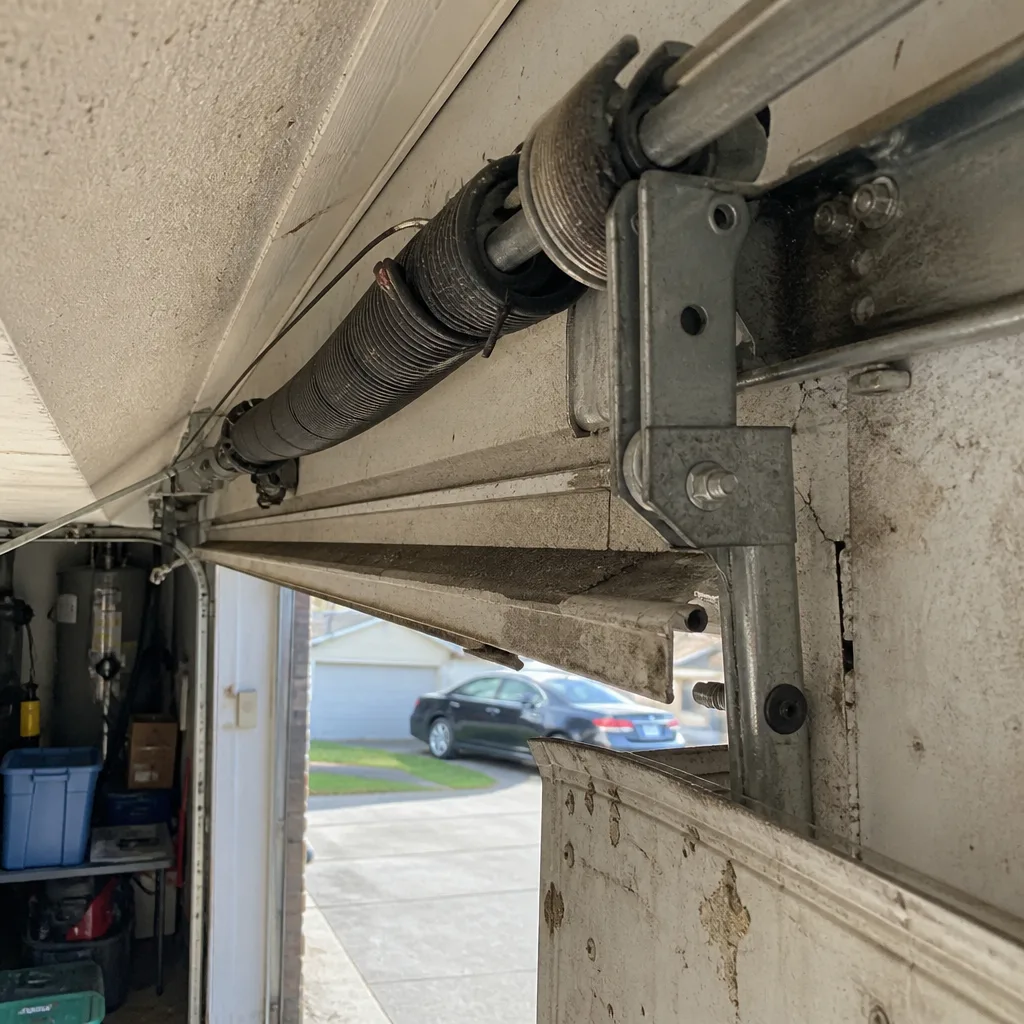 Before
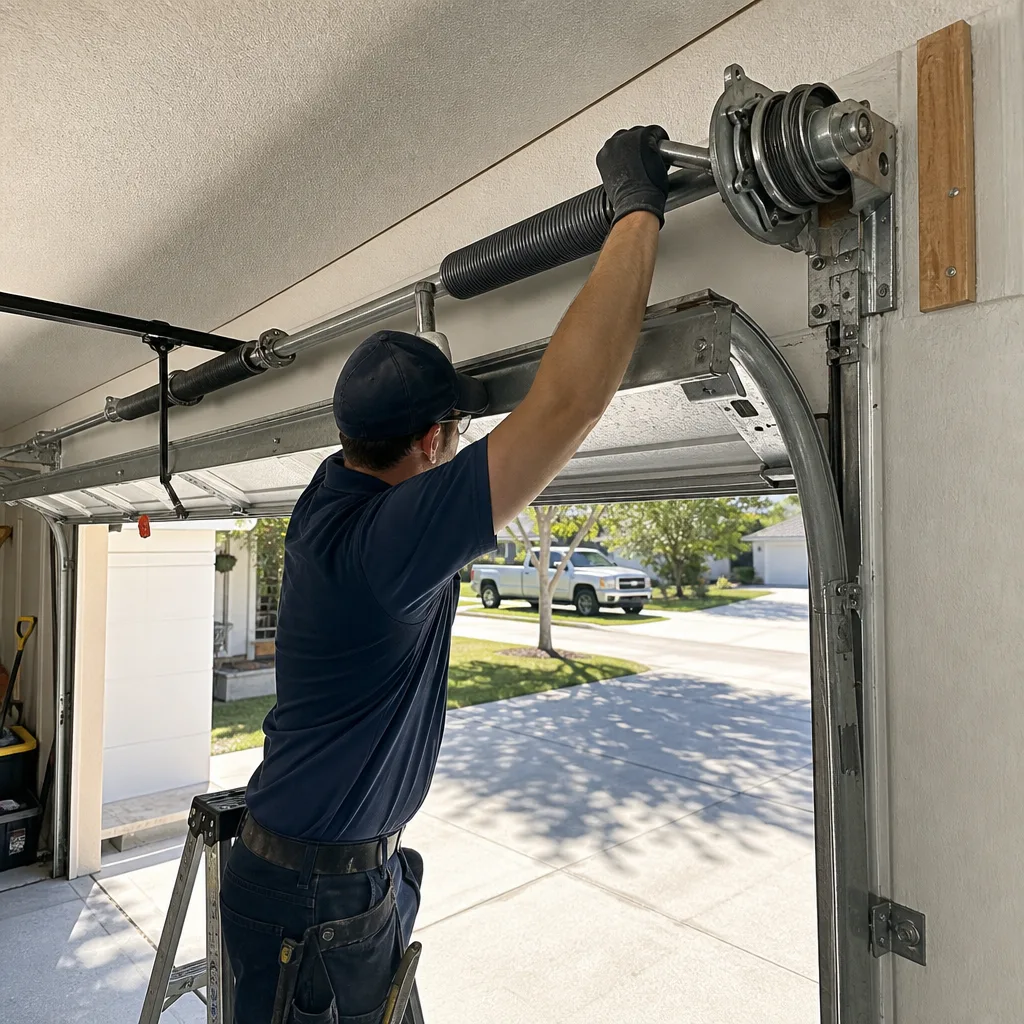 After
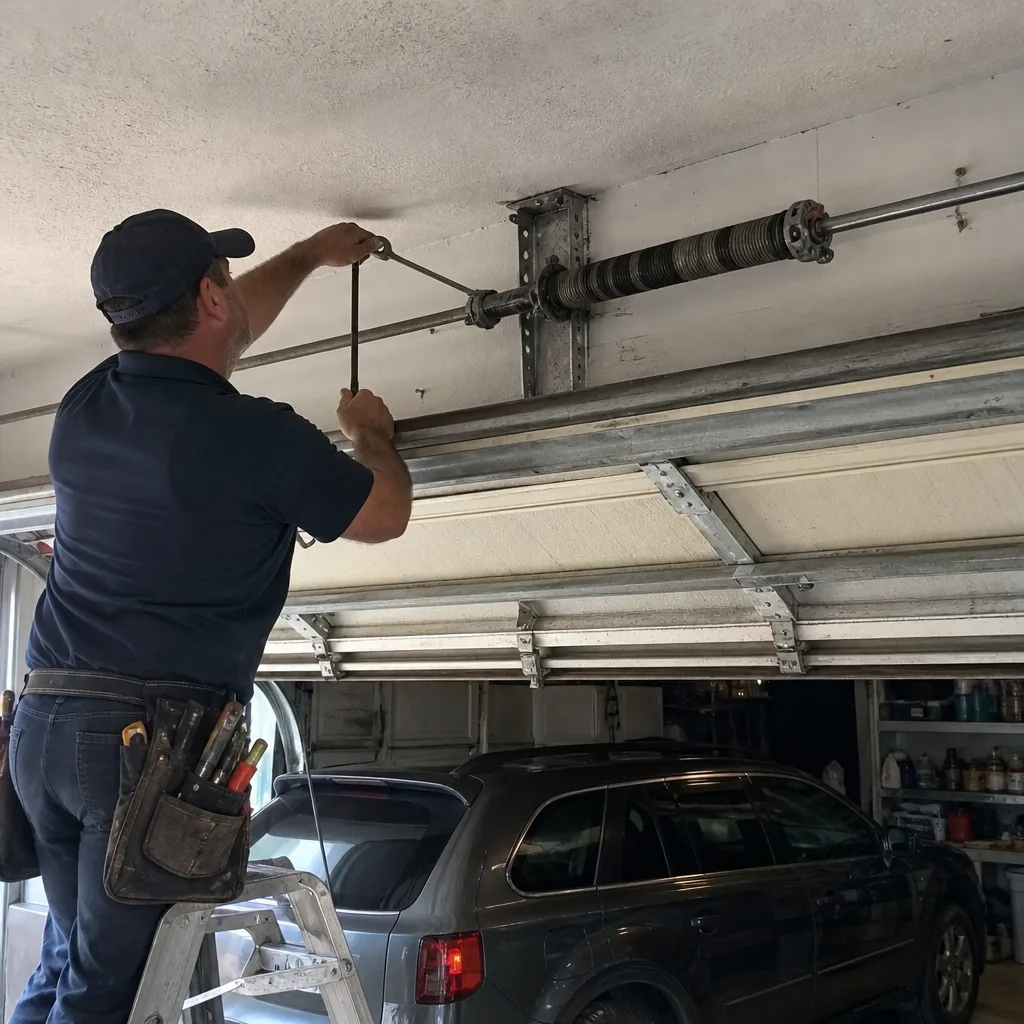 Before
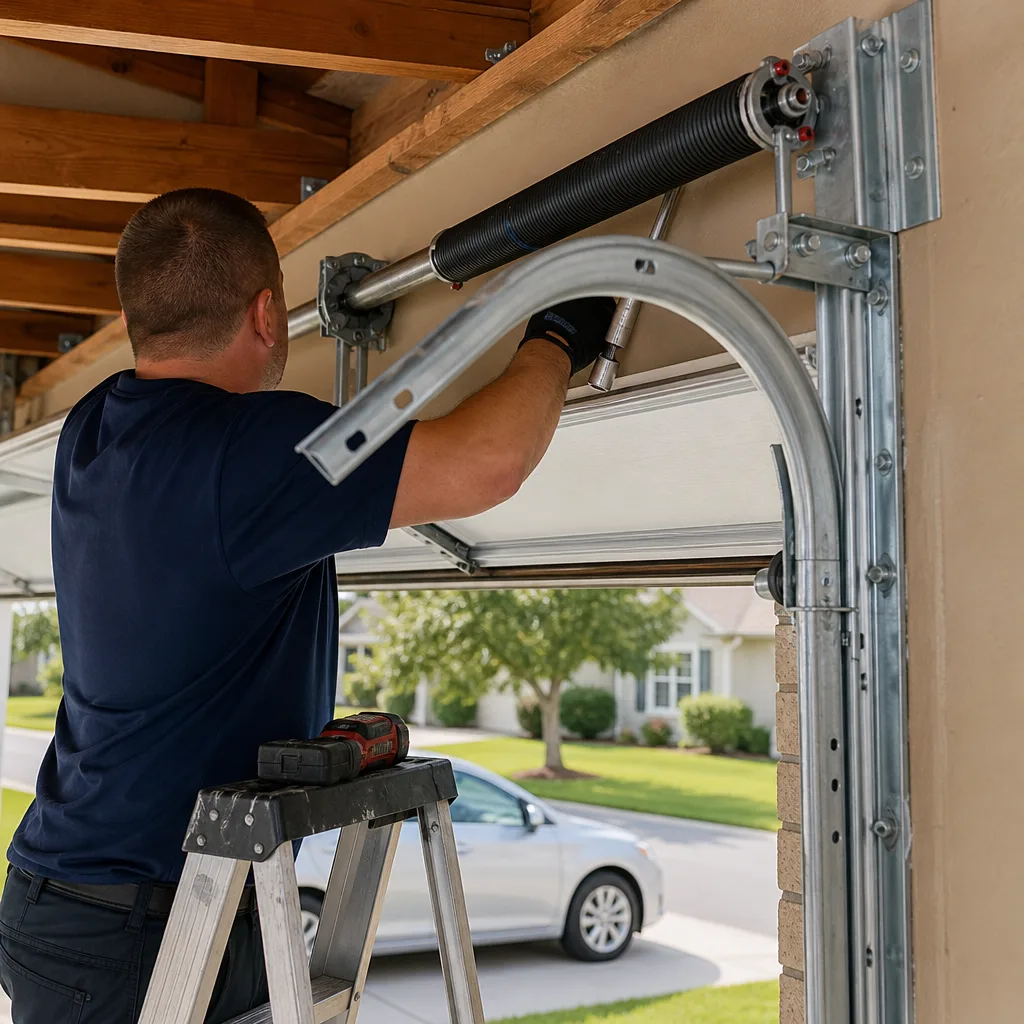 After
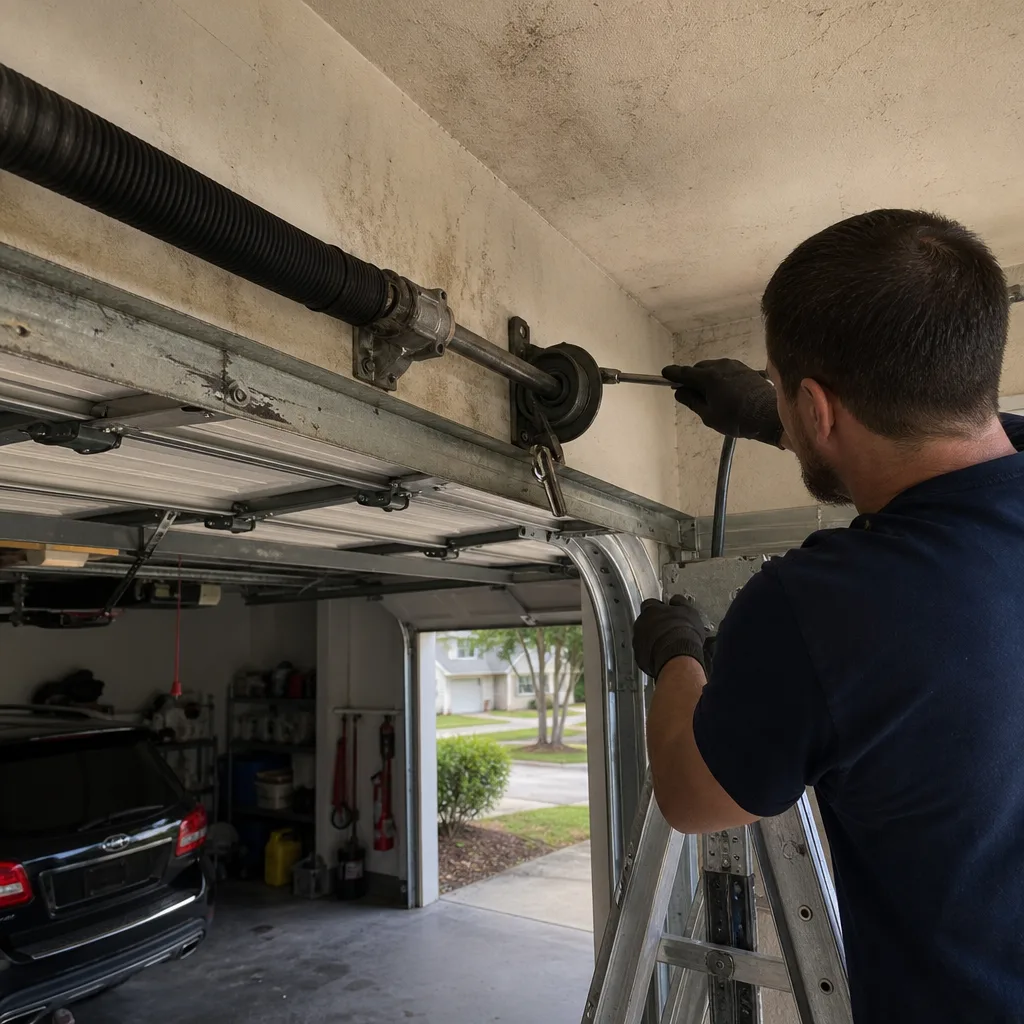 Before
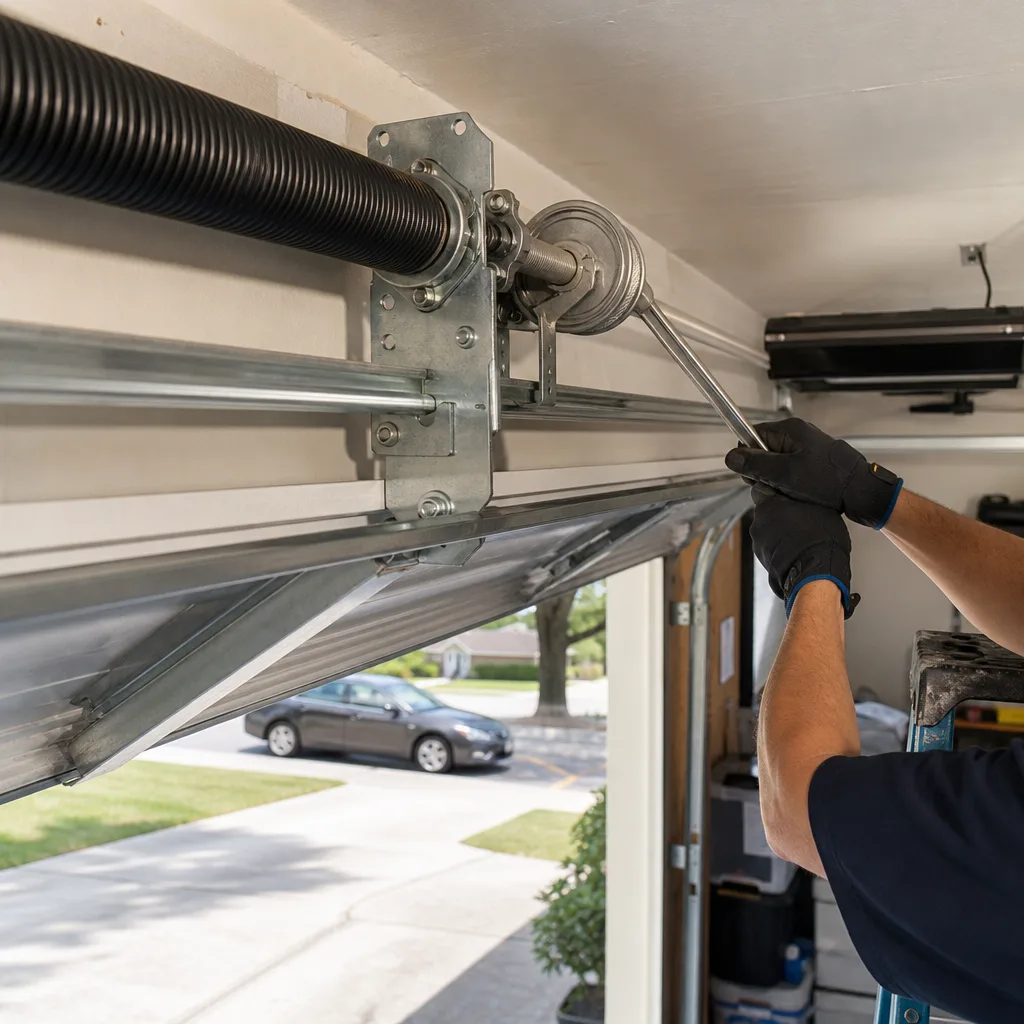 After
When to Call a Professional
Garage door permitting in Kissimmee is one of those areas where the DIY learning curve comes with real financial consequences. If you’re replacing a door that requires a permit, a failed inspection costs you weeks of delay and re-inspection fees. If you’re dealing with an unpermitted door from a previous owner, the retroactive permitting process requires documentation that a homeowner typically doesn’t have on hand. And if the project involves springs, cables, or high-tension components, the safety stakes are serious enough that we consider professional installation non-negotiable. Kissimmee Garage Door Service offers free estimates in Kissimmee for door replacement, repair, and opener work. Call (844) 662-1429 and we’ll tell you honestly whether your project triggers a permit, what it will cost, and how long the whole process takes.
Frequently Asked Questions
In Florida, you need a permit for a garage door replacement when the new door differs from the old one in size, wind-load rating, or structural mounting requirements. A repair that keeps the existing structural envelope intact, like replacing springs or cables, doesn’t require a permit. In Osceola County, the wind-load trigger is explicitly enforced, so Kissimmee homeowners replacing a door with a different NOA rating should assume a permit is required. Call (844) 662-1429 and we’ll check your existing door’s documentation before any work starts.
A garage door permit in Osceola County typically costs $75 to $150 for a standard replacement, with inspection included in the initial fee. Re-inspections after a failed inspection run $30 to $75. The total cost including the permit is usually less than 10% of the door’s purchase price, and it protects your property value at resale. Call (844) 662-1429 for an exact quote on your specific project, including permit fees.
Yes, Osceola County offers after-the-fact permits for unpermitted garage door installations. The process involves an inspection against current code requirements, and corrections may be required if the installation doesn’t meet code. The typical timeline is 2 to 4 weeks. Starting this process before you list your Kissimmee home for sale is significantly cheaper than resolving it during a buyer’s title search. For help with retroactive permitting, call (844) 662-1429.
No, a garage door opener replacement in Florida does not require a permit because the opener is an appliance, not part of the building’s structural envelope. This applies to all opener types, including smart-home-compatible models from LiftMaster and Chamberlain. If your opener is acting up, that’s a specialty, not an afterthought, and a repair doesn’t involve the permitting desk at all.
An NOA, or Notice of Acceptance, is Florida’s product approval number certifying that a specific garage door model meets the state’s wind-load requirements. Your installer must be able to produce the NOA for the exact door being installed, and the inspection will verify that the installation matches the approval’s specifications. Every reputable door brand, including Amarr, Wayne Dalton, Craftsman, and Raynor, maintains NOA documentation for their Florida-approved models.
The full process from permit application to closed permit in Kissimmee typically takes 2 to 3 weeks. Permit review runs 3 to 5 business days, inspection scheduling is 1 to 3 business days after installation, and the inspection itself takes 15 to 30 minutes. Plan for a month if you’re selling a home and need the permit closed before the closing date. For scheduling help on a permitted installation in Kissimmee, call (844) 662-1429.
The Bottom Line
Florida’s garage door permitting rules catch homeowners off guard not because the rules are hidden, but because the triggers aren’t obvious. Same-size replacements don’t automatically skip permits in Kissimmee. Wind-load ratings matter more than most homeowners realize, and the NOA for your specific door is the document that proves compliance. If you’re selling a home with an unpermitted garage door, fix it before listing; if you’re installing a new door, permit it right the first time. The cost of doing it correctly in Osceola County is modest. The cost of doing it wrong surfaces at the worst possible moment. For more guides & resources, explore our blog, or call us for repair, opener, or new installation: (844) 662-1429.
Written by the team at Kissimmee Garage Door Service, serving Kissimmee since 2011.