
Last updated October 31, 2026
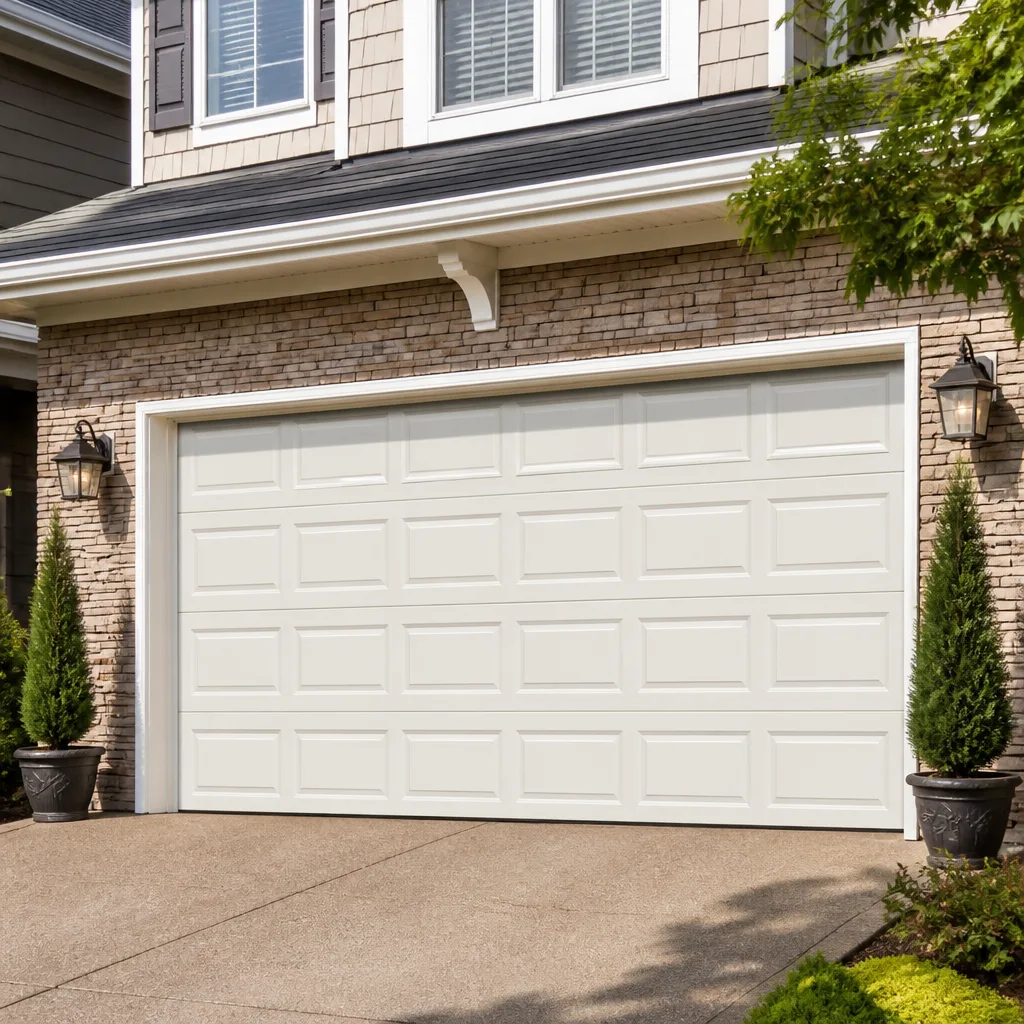 Raised-panel steel
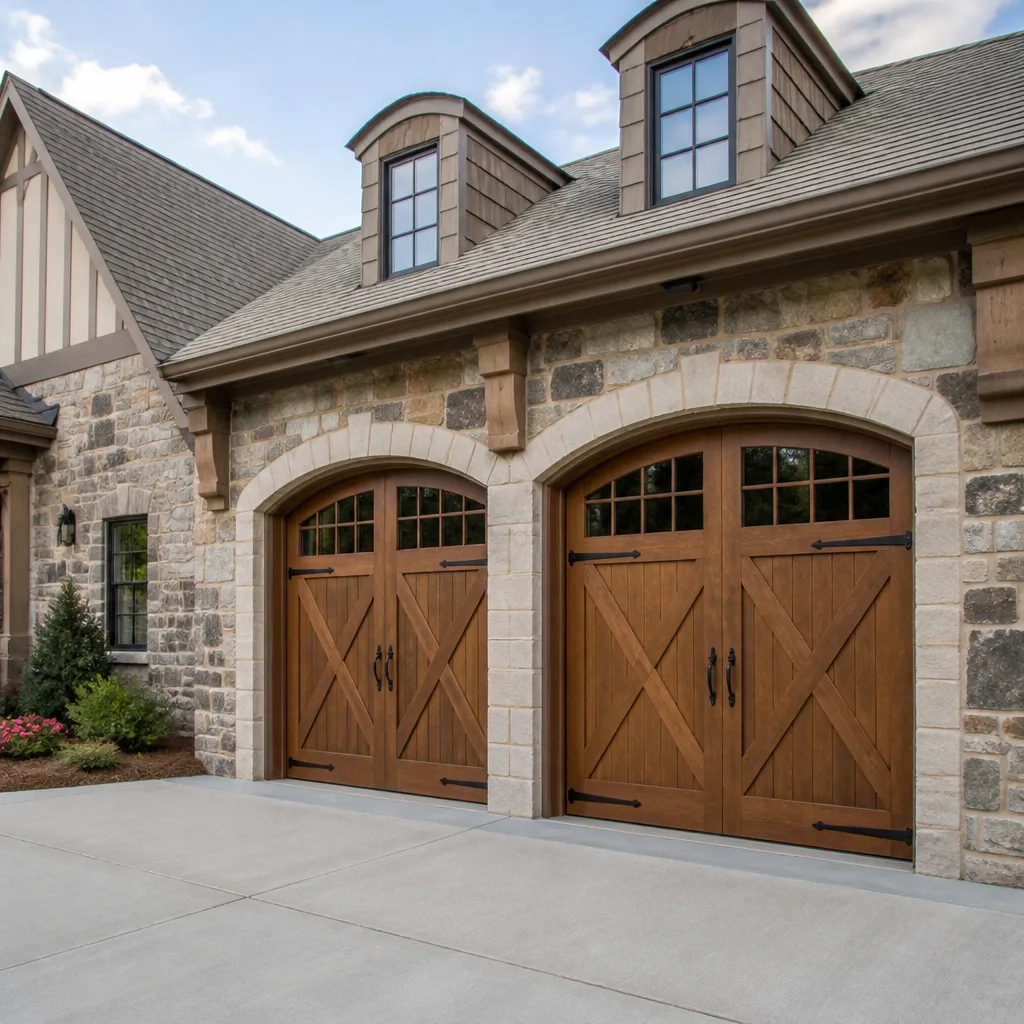 Carriage house
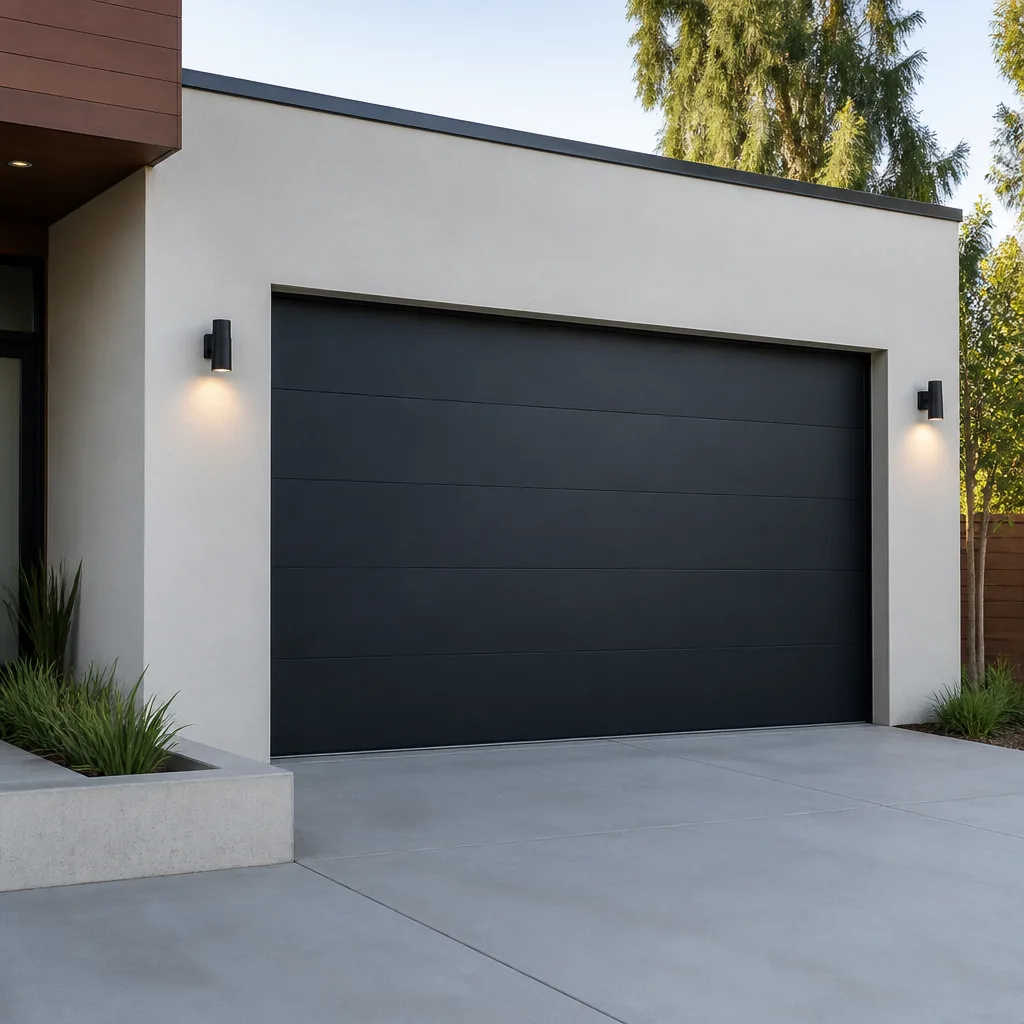 Modern flush
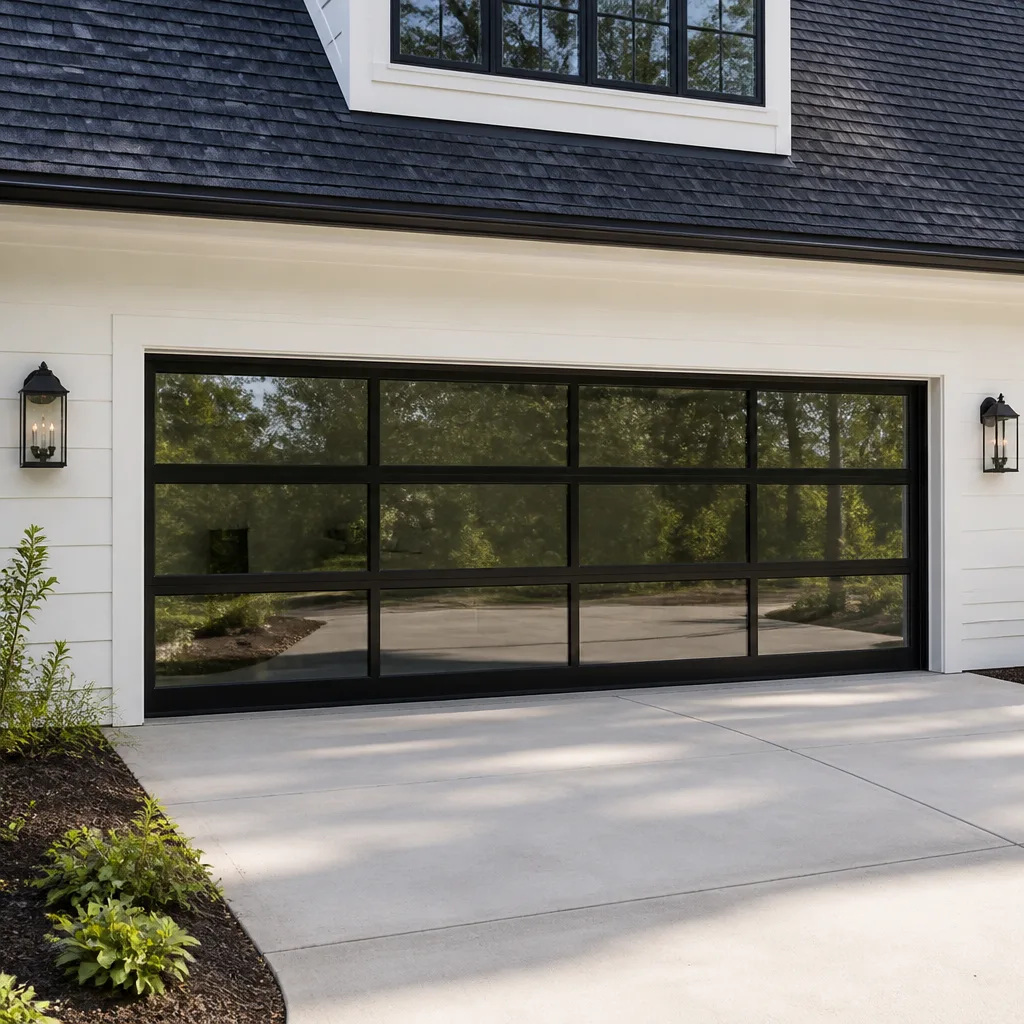 Full-view glass
 LiftMaster openers
 Chamberlain openers
Full 25-point door and opener safety check with every visit - springs, cables, rollers, tracks, and your LiftMaster or Chamberlain opener included
You get a price before we start. It does not change when the truck arrives.
Get your free estimateDIY vs Professional Garage Door: The Kissimmee Homeowner’s Decision Guide
Here’s the thing most “DIY vs Pro” garage door articles won’t tell you: in Kissimmee, Florida, the decision isn’t really about whether you’re handy enough to follow a YouTube tutorial. It’s about wind-load code compliance, what your insurance policy actually says, and whether a door that fails during hurricane season will take your claim with it. You can legally install your own garage door in Florida. But if it wasn’t installed to current wind-load code, your insurer may deny a structural damage claim when the next storm tests it. This guide walks through what a competent Kissimmee homeowner can safely handle, what should never be touched without professional training, and the real cost difference when DIY goes wrong. For more guides & resources, visit our blog.
Styles & brands we work with
Quick Answer
For most Kissimmee homeowners, weatherstripping, sensor alignment, and opener reprogramming are safe DIY tasks, but torsion spring replacement, panel replacement, and full door installation should be left to a professional because of stored-energy hazards and Florida wind-load code requirements. A professional garage door company in Kissimmee handles permits, product approvals, and liability that a DIY installer simply cannot self-certify.
Table of Contents
- What You Can Safely DIY (And What It Saves You)
- The Torsion Spring Exception: Why This One Task Is Different
- Florida Wind-Load Code: What DIY Installers Can’t Self-Certify
- The Insurance Implications of a Non-Permitted DIY Door
- The Real Cost Comparison: DIY vs Professional in Kissimmee
- What Actually Happens When DIY Goes Wrong
- Why Brand-Specific Knowledge Changes the Repair Equation
- Common Mistakes to Avoid
- When to Call a Professional
- Frequently Asked Questions
- The Bottom Line
What You Can Safely DIY (And What It Saves You)
Let’s be direct: there are legitimate DIY tasks on a garage door system that a competent homeowner can handle without risking life, limb, or a code violation. The key distinction is whether the task involves stored mechanical energy or structural load-bearing components. If it doesn’t, and if you’re patient enough to follow the owner’s manual for your specific brand, go for it. We service the brand you already own, and we’ll happily tell you when a service call isn’t necessary.
Here’s what we tell Kissimmee homeowners they can tackle themselves:
- Weatherstripping replacement: The rubber seal along the bottom of the door and the vinyl trim around the frame degrade fast in Florida’s heat and humidity. Replacing bottom seal weatherstripping costs $15-$40 in materials and takes about an hour. This is genuinely straightforward.
- Photo-eye sensor realignment: If your door won’t close and the opener lights flash, the sensors near the floor have likely been bumped out of alignment. Loosen the wingnut, adjust until both lights are solid, tighten. No special tools required.
- Opener remote reprogramming: Whether you have a LiftMaster, Chamberlain, or Genie opener, reprogramming a remote or keypad is a documented procedure in the manual. You can find instructions for your exact model online in minutes.
- Track lubrication: A noisy door is often just a dry one. White lithium grease on the track (not WD-40, which attracts dirt) and a silicone-based lubricant on rollers and hinges quiets most squeaks and creaks.
- Balance testing: You can and should check your door’s balance monthly. Pull the emergency release cord, manually lift the door halfway, and let go. If it stays put, your springs are doing their job. If it drops or slams shut, that’s a spring issue and a professional call.
These tasks save a Kissimmee homeowner between $75 and $200 per service call, which is real money. But here’s the honest framing: none of these involve the components that can injure you or invalidate a permit. The line between “safe to DIY” and “call a pro” isn’t about your skill level. It’s about physics and paperwork.
The Torsion Spring Exception: Why This One Task Is Different
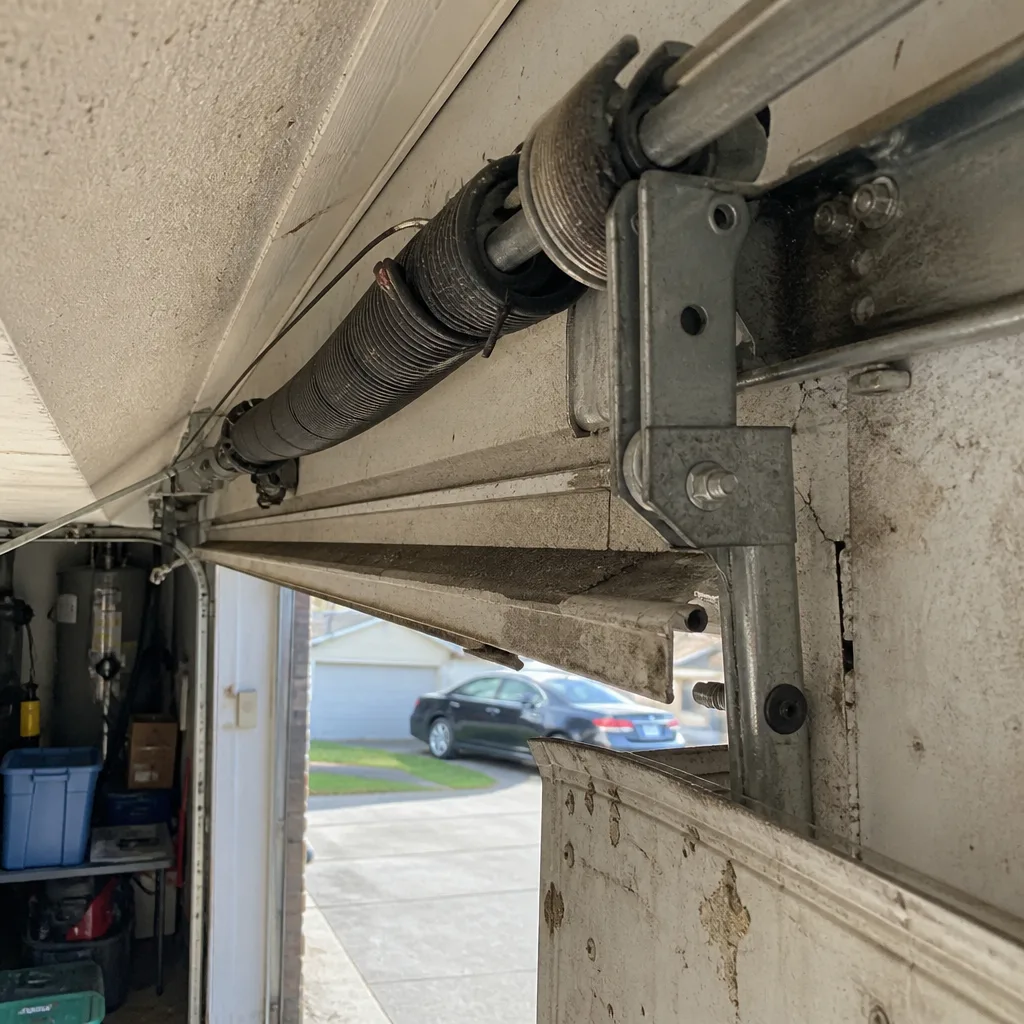
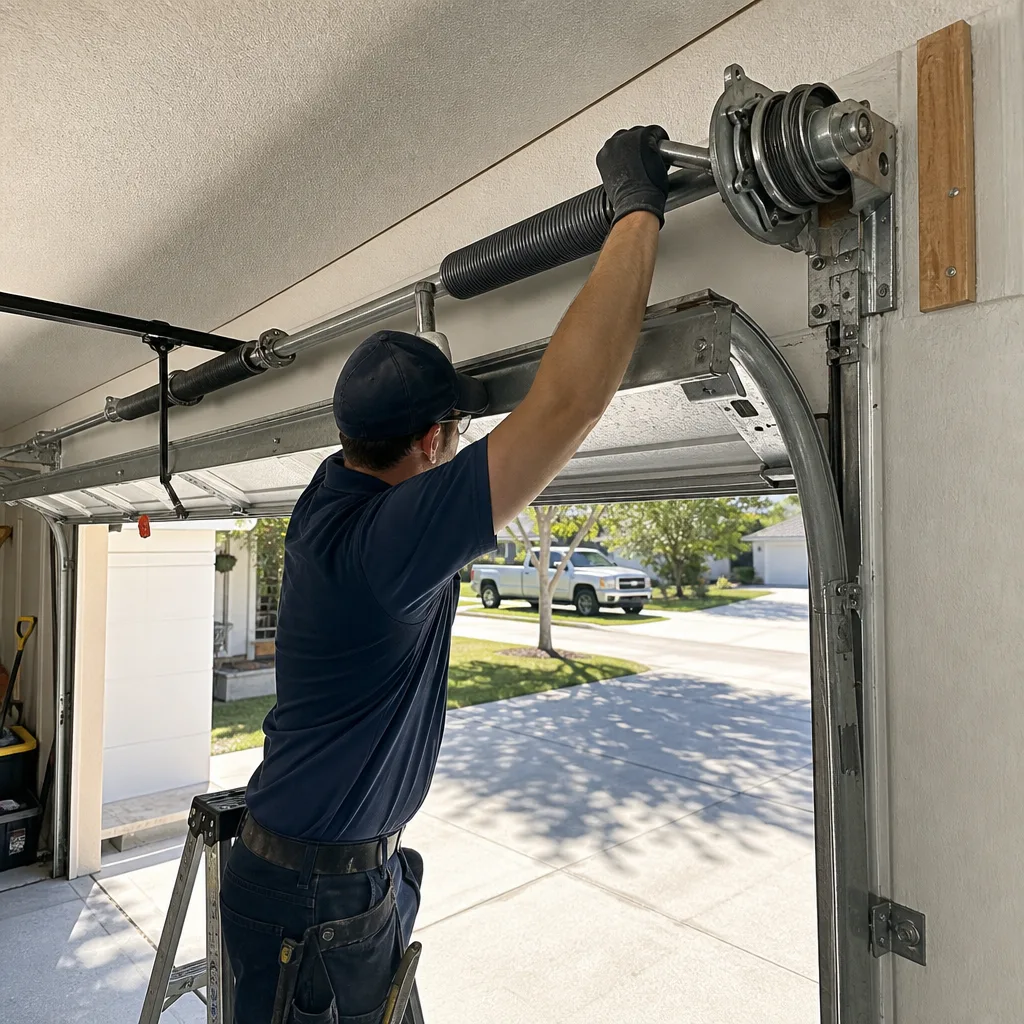
If you take nothing else from this guide, take this: do not attempt torsion spring replacement yourself. Not because you’re not capable of learning the procedure, but because the failure mode is catastrophic. A torsion spring on a double-car garage door stores between 100 and 200 pounds of torque when wound. When a spring snaps during installation (and it does, even for technicians who’ve done hundreds of them), that energy releases in a fraction of a second. The winding bars become projectiles. The spring itself can fracture into shrapnel.
We say this as garage door specialists who work on doors every day in Kissimmee: even with professional winding bars, proper technique, and years of experience, torsion spring work demands absolute respect. A homeowner using screwdrivers or rebar as makeshift winding bars is gambling with permanent injury. The emergency rooms in Osceola County see these cases every year. It’s not worth the $150-$250 you’d save on labor.
The other reason springs are a professional job: calibration. A spring that’s one size off produces a door that’s too heavy to lift manually (straining the opener motor) or too light to stay closed (creating a safety hazard). Determining the correct spring requires measuring the door’s exact weight, height, and track configuration. If you’ve replaced your door since the original springs were installed, or if you have a Wayne Dalton TorqueMaster system with springs concealed inside a tube, the math gets even more complicated. And unlike weatherstripping, a miscalibrated spring failure can cost thousands in opener damage, track damage, or panel damage when the door drops uncontrolled.
From a broken spring to a full new door is a phrase we use because it reflects the full lifecycle we handle. But it also reflects a spectrum where spring replacement sits firmly on the professional side.
Florida Wind-Load Code: What DIY Installers Can’t Self-Certify
Florida Building Code is the most stringent in the nation for a reason: hurricanes. In Kissimmee, which sits inland but still within the wind-borne debris region of Central Florida, garage doors are regulated as structural components. Not accessories. A garage door must resist specific positive and negative wind pressures based on your home’s exposure category, roof height, and location on the wind speed map. This isn’t a suggestion and it isn’t waived for owner-builders. For details on the process, read Garage Door Permits, Codes & Inspections in FL: What You Need to Know.
Here’s the process a professional installation actually involves:
- Product approval verification: Every garage door installed in Florida must carry a Florida Product Approval number (FL number) that certifies the door was tested to specific wind pressures. Doors without this certification cannot be legally installed, period. DIY installers buying a door online or from a big-box store often don’t know to check for this, and many cheap doors lack Florida approval entirely.
- Engineering calculations: The approved wind load for your specific home determines which door models are acceptable. What works for a single-story home in a sheltered Kissimmee neighborhood may not work for a two-story home on an open lot.
- Permit application: Most Kissimmee garage door installations require a permit through Osceola County. The permit application requires the FL product approval number, the installation details, and often an engineer’s or contractor’s sign-off. Homeowners can pull their own permits, but they take on full liability for correct compliance.
- Inspection: After installation, an inspector verifies the door matches what was permitted. If a DIY installer skipped the permit step and the door fails an inspection later (or fails in a storm), the correction costs more than the professional installation would have in the first place.
A DIY installer cannot self-certify wind-load compliance. Only a licensed contractor with the proper documentation can sign off that the door, the track system, the fasteners, and the reinforcement struts meet code for your specific home. In our experience across Kissimmee, this is the single biggest gap between “I installed my own door” and “my door is code-compliant.” They are not the same thing.
For Kissimmee homeowners specifically, there’s another wrinkle: many homes built before the 2001 Florida Building Code revision have garage doors that are no longer compliant with current wind-load standards. If you’re replacing a door on an older home, the new installation must meet current code, not just match what was there. That often means additional reinforcement, which a professional installer accounts for in the initial quote. A DIY project that ignores this inherits the liability for the entire opening.
The Insurance Implications of a Non-Permitted DIY Door
This is the section that nobody wants to write and every Kissimmee homeowner should read. Your homeowner’s insurance policy almost certainly contains language about unpermitted work and material alterations to the structure. A garage door installation that required a permit but never got one is, in the eyes of an adjuster, exactly that: an unpermitted material alteration. For storm-readiness planning, see our Garage Door Emergency Preparedness Guide for Kissimmee Homes.
What does that mean in practice? If a storm damages your garage door and the surrounding structure, your insurer will ask for documentation. They want the permit, the inspection record, and proof the door was rated for the wind event that caused the damage. A DIY installation without those documents gives the insurer a clear denial path for the damage claim. And here’s the thing that catches people off guard: the denial doesn’t always stop at the garage door. In some cases, insurers have denied claims for water damage to the home’s interior because the breach was caused by a garage door that failed due to non-compliant installation.
What should you ask your agent? Two specific questions:
- “Does my policy exclude damage caused by unpermitted work on the garage door?” Some policies have explicit exclusions. Others have general “faulty workmanship” exclusions that apply regardless of who did the work.
- “What documentation do you require for a garage door replacement to maintain coverage?” Most insurers want a permit and a final inspection report. Some also require proof that the door carries a Florida Product Approval number.
We’re not insurance agents and we don’t pretend to be. But we’ve seen enough Kissimmee homeowners deal with this in the aftermath of storm season to know that the conversation is better had before the installation than after the claim. A professional installation from Kissimmee Garage Door Service home includes the permit and inspection documentation that your insurer will accept. That paper trail is part of what you’re paying for.
The Real Cost Comparison: DIY vs Professional in Kissimmee
Here are the numbers, laid out honestly. These are Kissimmee-market prices based on what we see across Central Florida, not national averages that may not apply locally. For a detailed Garage Door Cost Breakdown: The Kissimmee Homeowner’s Reference for 2026, see our dedicated guide.
- Full door replacement (single door, basic steel): DIY parts cost: $500-$900 for a Florida-approved door, plus reinforcement struts if needed. Professional installation (parts + labor + permit): $1,400-$2,200 depending on door weight, reinforcement, and disposal of the old door.
- Extension spring replacement (single spring): DIY parts: $40-$75. Professional: $150-$250 including spring, labor, and safety cable check.
- Torsion spring replacement (pair): DIY parts: $90-$160 for a pair of springs. Professional: $250-$500 depending on spring rating, labor, and whether you need same-day service in Kissimmee.
- Opener replacement: DIY parts: $200-$350 for a Chamberlain or LiftMaster belt-drive unit. Professional: $450-$750 including installation, programming, safety reversal testing, and disposal of the old unit.
- Weatherstripping replacement: DIY parts: $15-$40. Professional: $75-$150. (This is the one DIY task where we actively encourage homeowners to do it themselves.)
Now let’s look at what a DIY mistake adds. We’ve been called to correct a lot of homeowner installations across Kissimmee, and the correction costs follow a pattern:
- Track misalignment from improper installation: $250-$450 to realign and re-hang tracks, replace damaged rollers, and re-tension the door.
- Opener motor burnout from an unbalanced door: $200-$500 for a new opener plus the labor to redo the spring calibration that caused the burnout.
- Panel damage from a dropped door: $300-$1,200 depending on the panel and whether it’s available for your specific brand. Older Raynor and Wayne Dalton panel styles may need to be special-ordered.
- Failed inspection requiring full re-installation: $500-$1,500. If the door you installed doesn’t carry a Florida Product Approval number, the fix is usually a complete replacement with a compliant door. Not a retrofit.
The honest math: a DIY door installation gone wrong can cost more than the professional installation would have cost on day one. And that’s before you factor in the time you spent, the frustration, and the gap between “door installed” and “door installed to code.” If the DIY savings are $600 and the realistic correction cost starts at $500, the risk-reward calculation starts to look thin.
We quote every job before we start. The price you approve is the price you pay. That’s true for repairs, opener work, and full installations. For Kissimmee homeowners weighing DIY against professional work, the upfront professional rate includes something a parts receipt never will: a permit, an inspection, and a paper trail your insurer can read.
What Actually Happens When DIY Goes Wrong
We don’t say this to scare anyone. We say it because the gap between what a tutorial shows and what actually happens in a Kissimmee garage is real, and the pattern repeats itself often enough that we can predict it. A homeowner starts a DIY door replacement or spring repair on a Saturday morning. By Saturday afternoon, the door is off the tracks, one panel is dented, the opener is groaning, and the car is trapped inside. Sunday is spent watching more tutorials. Monday morning, they call us.
Here’s the thing: almost every DIY garage door project that goes wrong fails for the same five reasons.
- Underestimating door weight: A double-car steel door weighs 250-350 pounds. A homeowner who’s never handled that much weight on a suspension system misjudges how fast it can shift. Doors pinch fingers, crush toes, and worse when proper lifting equipment and blocking are absent.
- Using the wrong springs: Spring selection isn’t a guess. It’s a calculation based on door weight, height, and cable drum size. The wrong spring creates a “hot” or “cold” door that wears out openers and eventually fails.
- Stripping lag bolts in the header: The torsion tube mounts to the header above the door with lag bolts. Misalign the bracket or use the wrong size, and you’ve stripped the header. In older Kissimmee homes with softer lumber, this happens fast. Repair requires drilling out, filling, and re-mounting.
- Ignoring safety cable requirements: Florida code requires safety cables through extension springs. Skipping this step means a snapping spring becomes an unguided missile. This is a cheap part and a catastrophic omission.
- Working without tension-control respect: The procedure for winding a torsion spring has an exact sequence. Skip a quarter-turn, and the spring is under-tensioned. Go too far, and you’re fighting a spring that’s storing more energy than the door needs.
For homeowners in Kissimmee who’ve already started a project and hit a wall, this is not a “told you so” moment. It’s a “let’s get you sorted” moment. We correct DIY work regularly, and the right parts for your brand, not a workaround, is how we approach it. Some of those corrections are quick. Some require redoing the entire installation. Either way, the sooner it’s addressed, the cheaper it is.
Why Brand-Specific Knowledge Changes the Repair Equation
Garage doors are not interchangeable, and that’s where a lot of DIY plans fall apart. A tutorial that shows a generic repair on a generic door doesn’t account for the specific engineering of the door you actually own. Kissimmee homeowners have a mix of brands across the thousands of homes here, and each one has its own quirks.
Take Wayne Dalton, for example. Many Wayne Dalton models use the TorqueMaster spring system, where the springs are concealed inside a tube along the header. The winding procedure is completely different from an exposed torsion spring setup. A homeowner following a standard torsion spring tutorial on a TorqueMaster system is following the wrong procedure entirely. The same brand familiarity applies to the door itself: Wayne Dalton panel profiles have changed over the years, and matching a replacement panel to an older door requires cross-referencing the exact model and production year.
Craftsman openers present a different challenge: Craftsman exited the garage door opener market years ago, which means replacement parts for older Craftsman units are increasingly hard to source. Many Kissimmee homes still run Craftsman openers from the 1990s and 2000s. Knowing which Chamberlain parts interchange with which Craftsman models (Chamberlain manufactured most Craftsman openers) is the difference between a $30 gear replacement and a $400 opener replacement. A DIY homeowner walking into a parts store with a Craftsman model number often gets a blank stare.
Raynor doors are often heavier than comparably sized doors from other manufacturers because of their construction methods. That affects spring selection, opener sizing, and balance testing. A Raynor door with the wrong springs is a door that will destroy an opener motor in under a year.
LiftMaster and Chamberlain, the two most common smart-opener platforms in residential Kissimmee, are where we see the most DIY opener issues. Programming a LiftMaster opener to a new remote is straightforward. Diagnosing why a LiftMaster opener with myQ connectivity won’t pair or won’t stay connected is not. These are the openers that get misdiagnosed as “dead” when the actual issue is a logic board fault or a sensor communication error.
Opener acting up? That’s a specialty, not an afterthought. The brand-agnostic model matters here: a technician who stocks only one manufacturer’s parts has an incentive to sell you a new opener instead of repairing the one you have. We service all eight major brands and stock or source parts for each. That means we fix what you own, not what we prefer to sell.
Common Mistakes to Avoid
- Ignoring the Florida Product Approval requirement: Buying any door online without checking for a FL number is a multi-thousand-dollar mistake. If you’re not hiring a pro, at minimum verify the door has a current Florida Product Approval listing before you buy it.
- Treating spring replacement like a wrench-turn job: The most common serious injury in garage DIY is spring-related. Winding bars, face protection, and proper technique are not optional accessories. In Kissimmee’s heat, people rush this job because the garage is hot. Rushing and springs do not mix.
- Skipping the permit on a door replacement: Some Kissimmee homeowners assume a door swap doesn’t need a permit. Most door replacements in Osceola County do. Unpermitted work on a structural opening becomes your liability forever, even after you sell the home.
- Using WD-40 on tracks and rollers: WD-40 attracts dirt and gums up over time. Use white lithium grease on tracks and a silicone-based lubricant on rollers and hinges. We see gunked-up tracks in Kissimmee garages all the time, and it’s always WD-40.
- Programming the wrong opener to the wrong frequency: Older openers and newer remotes don’t always talk. A homeowner with a 1990s Craftsman opener buys a universal remote, can’t get it to pair, and assumes the opener is dead. The opener is fine; the frequencies are incompatible. Check your opener’s receiver type before buying accessories.
- Selling themselves on “saving money” without accounting for correction costs: The DIY-vs-pro decision is a cost equation, not a pride equation. A $600 DIY savings on a door installation is a loss if a failed inspection or a misaligned track costs $800 to correct.
When to Call a Professional
Call a professional when the task involves stored-energy components (torsion springs, extension springs under tension), structural elements (tracks, panels, the door itself), or anything that touches Florida Building Code compliance (full door installation or replacement). Call when your opener’s logic board is malfunctioning rather than just needing a reprogram, when your door is out of balance after a spring replacement attempt, or when you need a permit pulled and an inspection scheduled. Call when you’re not sure what’s wrong, because a diagnostic call is cheaper than a wrong repair. Garage Door Repair in Taft covers all of these scenarios for homeowners east of Kissimmee, and we serve the full Kissimmee metro. One call covers it – repair, opener, or new installation. Kissimmee Garage Door Service offers free estimates in Kissimmee – call (844) 662-1429.
Frequently Asked Questions
A basic single-door steel garage door installation in Kissimmee typically costs $1,400 to $2,200 including the door, labor, permit, and old-door disposal. The price varies based on door weight, required wind-load reinforcement, and whether you’re replacing a door on an older home that needs structural upgrades to meet current code. Call (844) 662-1429 for a free estimate – we quote before any work starts and the price you approve is the price you pay.
Yes, Florida allows homeowners to act as their own contractor on their primary residence, but you’re still required to pull the appropriate permit in Osceola County and install a door that carries a valid Florida Product Approval number. You cannot self-certify wind-load compliance, and if the installation fails an inspection or fails in a storm, the liability is entirely yours. Kissimmee Garage Door Service handles the permit and inspection as part of every installation.
No, torsion spring replacement is not safe as a DIY project because the spring stores 100-200 pounds of torque that releases violently if the spring snaps during winding. Even experienced technicians treat this job with serious precautions. For your safety, this is a professional job in Kissimmee and everywhere else. Extension springs are less dangerous but still require safety cables installed to code.
If your garage door wasn’t installed with a permit and a Florida-approved product, your insurer may deny the damage claim for the door, the surrounding structure, and potentially water damage caused by the breach. Ask your agent before starting any DIY door work what documentation your policy requires for a garage door replacement to maintain coverage. Most require a permit and a final inspection report.
Most single-door installations in Kissimmee take one day from removal of the old door through final tension adjustment and opener testing. The permit and inspection are scheduled after the installation, typically within a week or two. Same-day installation is not standard practice because wind-load verification and product approval matching happen before the work starts, not during it. We’ll give you a clear timeline when you call.
Yes, we service LiftMaster, Chamberlain, Genie, Craftsman, and all the door brands you’re likely to see in Kissimmee including Clopay, Amarr, Wayne Dalton, and Raynor. Brand-agnostic service means we repair what you own rather than pushing you toward a replacement just because the technician only stocks one manufacturer’s parts. Opener repair is a dedicated specialty for us, not an afterthought. Call (844) 662-1429 to schedule a diagnostic.
Replacing the bottom seal weatherstripping yourself is the cheapest fix, at $15-$40 in materials and about an hour of time. In Kissimmee’s heat and humidity, these rubber seals degrade faster than in drier climates, so expect to replace them every two to three years. If the draft persists after replacing the seal, the door may be out of alignment and that’s a professional adjustment.
The Bottom Line
The DIY-vs-pro garage door decision in Kissimmee comes down to three questions: Does the task involve stored energy (springs)? Does it involve structural components covered by Florida wind-load code (door, tracks, installation)? And do you have the documentation your insurer will want after the next storm (permit, inspection, product approval)? If the answer to any of those is yes, the professional route costs less in the long run, even when the upfront number is higher. For weatherstripping, sensor alignment, and remote programming, save your money and do it yourself. For everything else, from a broken spring to a full new door, Garage Door Opener Repair in Taft and Garage Door Installation in Taft show the full lifecycle coverage we provide across the Kissimmee metro. Call (844) 662-1429 for a free estimate on any repair, opener service, or installation. We’ll tell you honestly if it’s a job you can handle yourself.
Written by the team at Kissimmee Garage Door Service, serving Kissimmee since 2011.
See the difference
 Before
 After
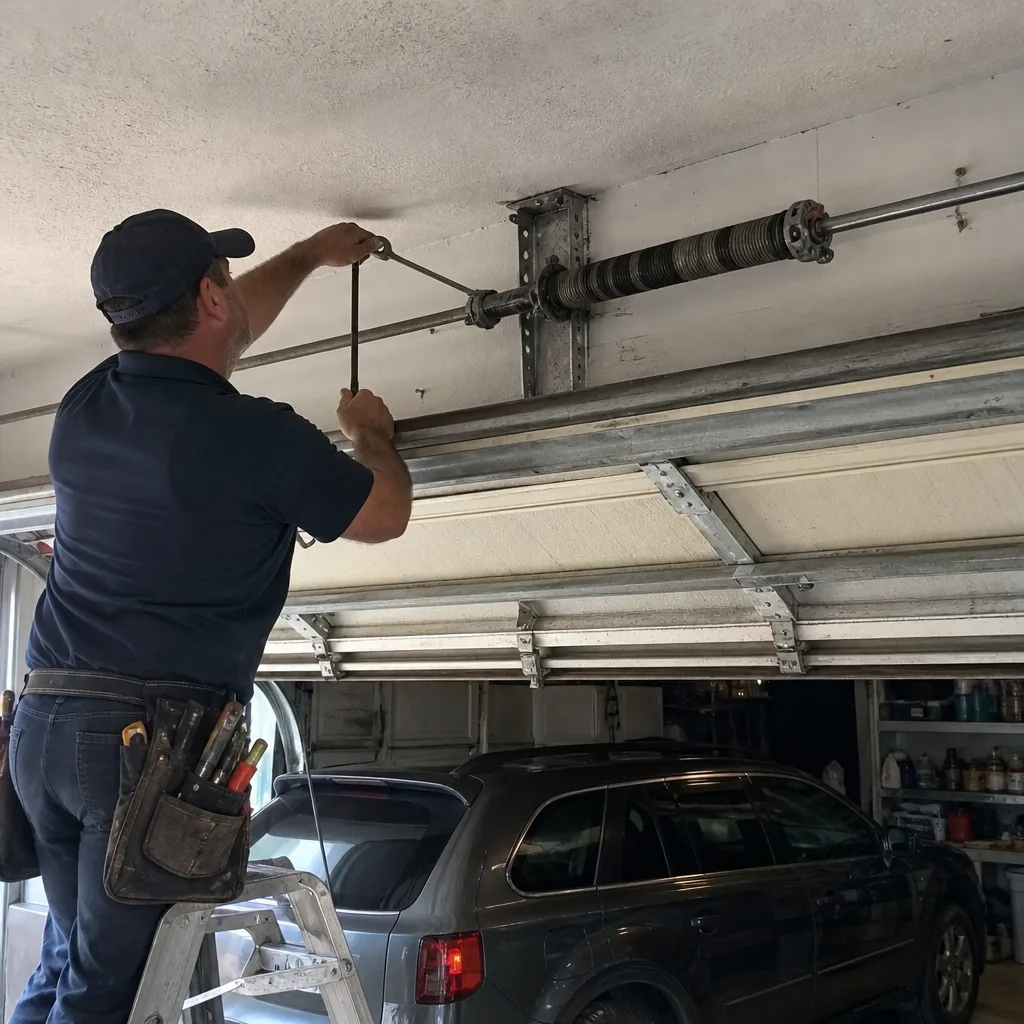 Before
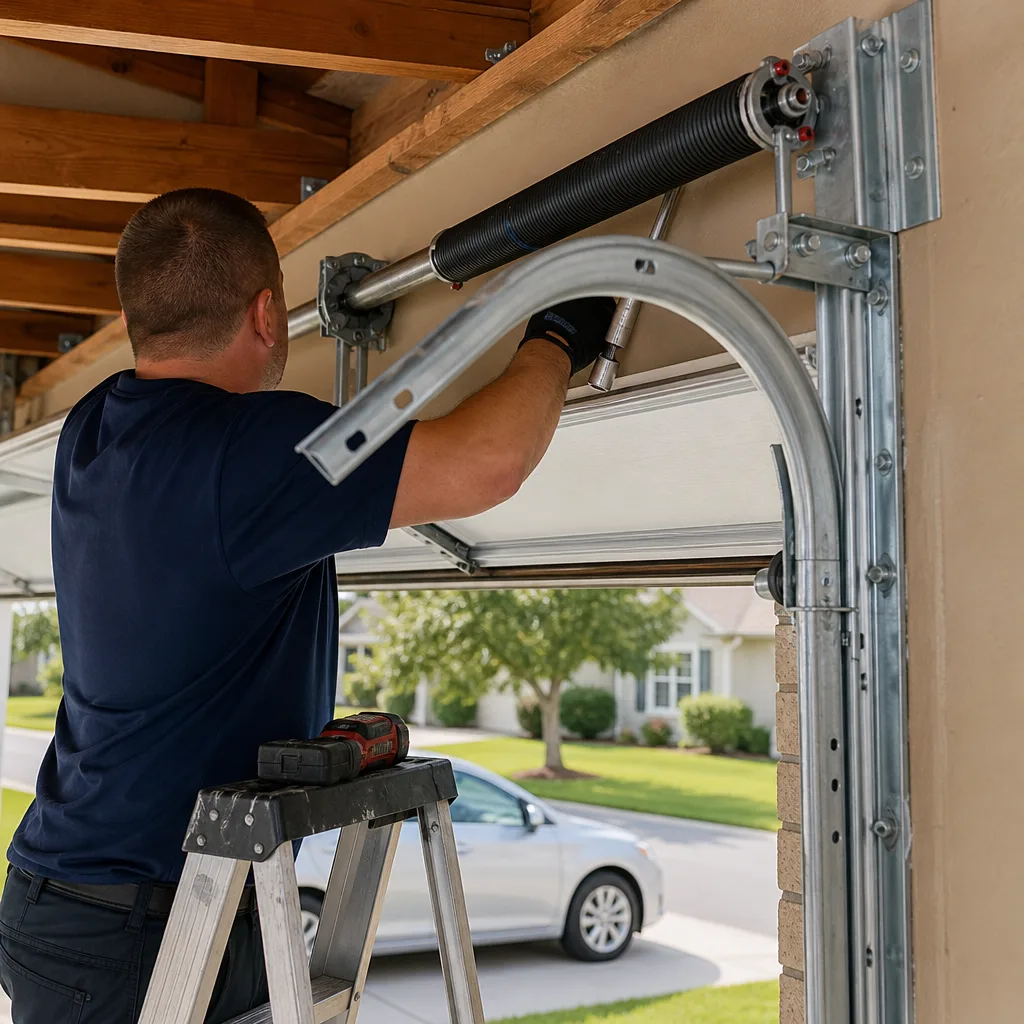 After
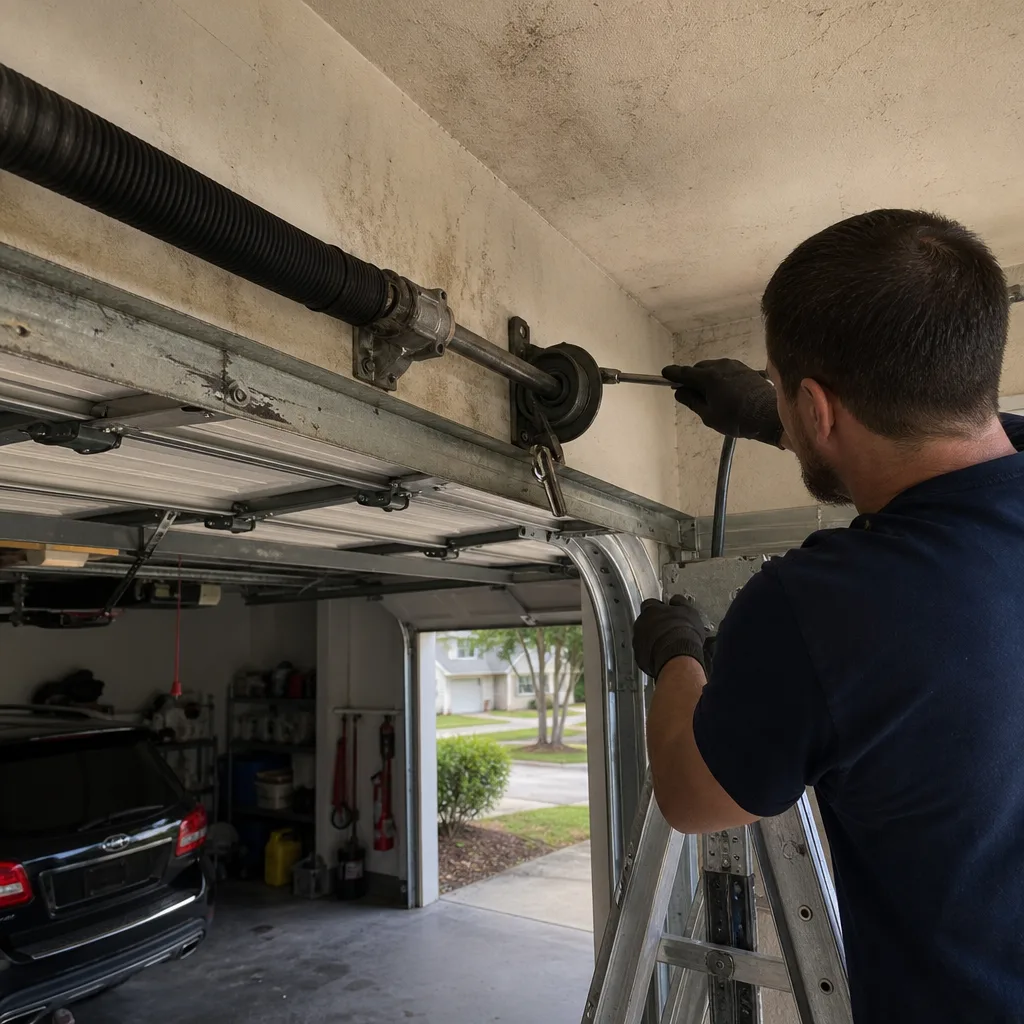 Before
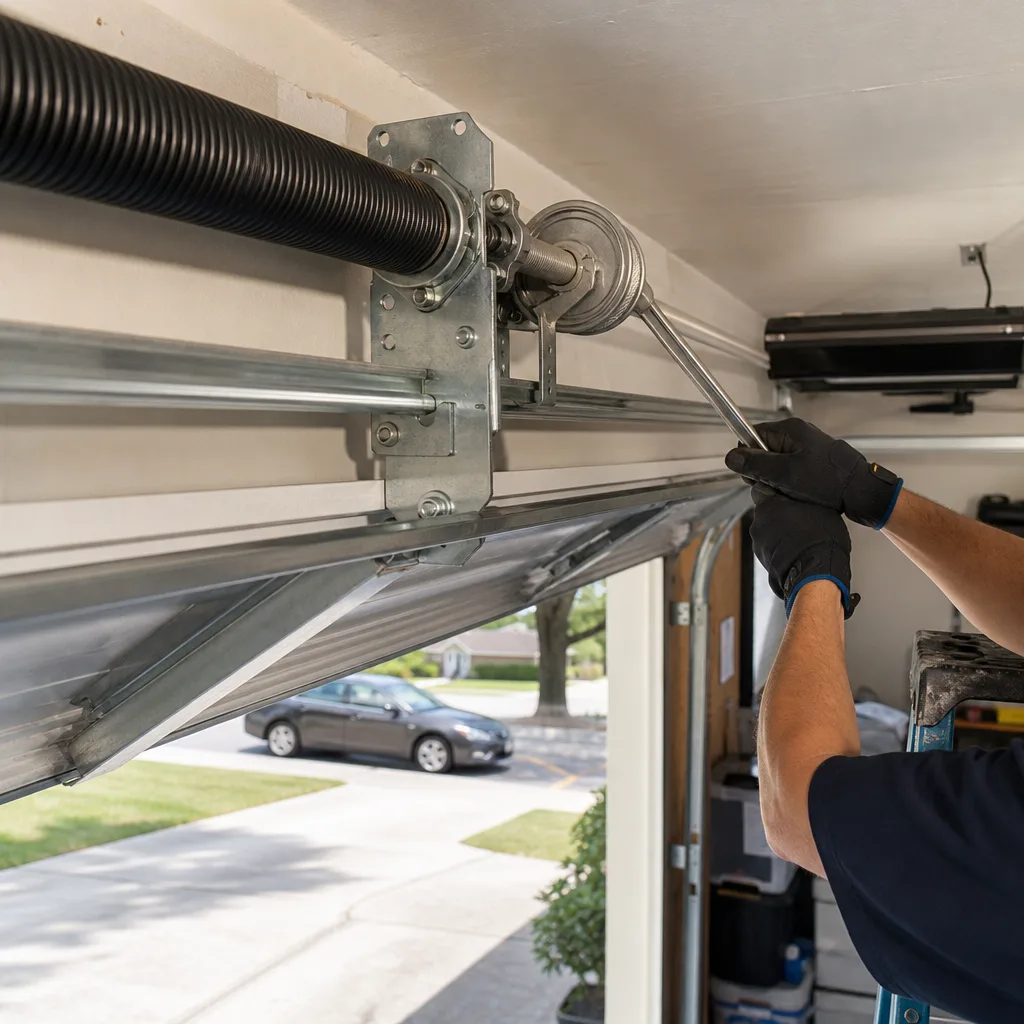 After