
Last updated October 31, 2026
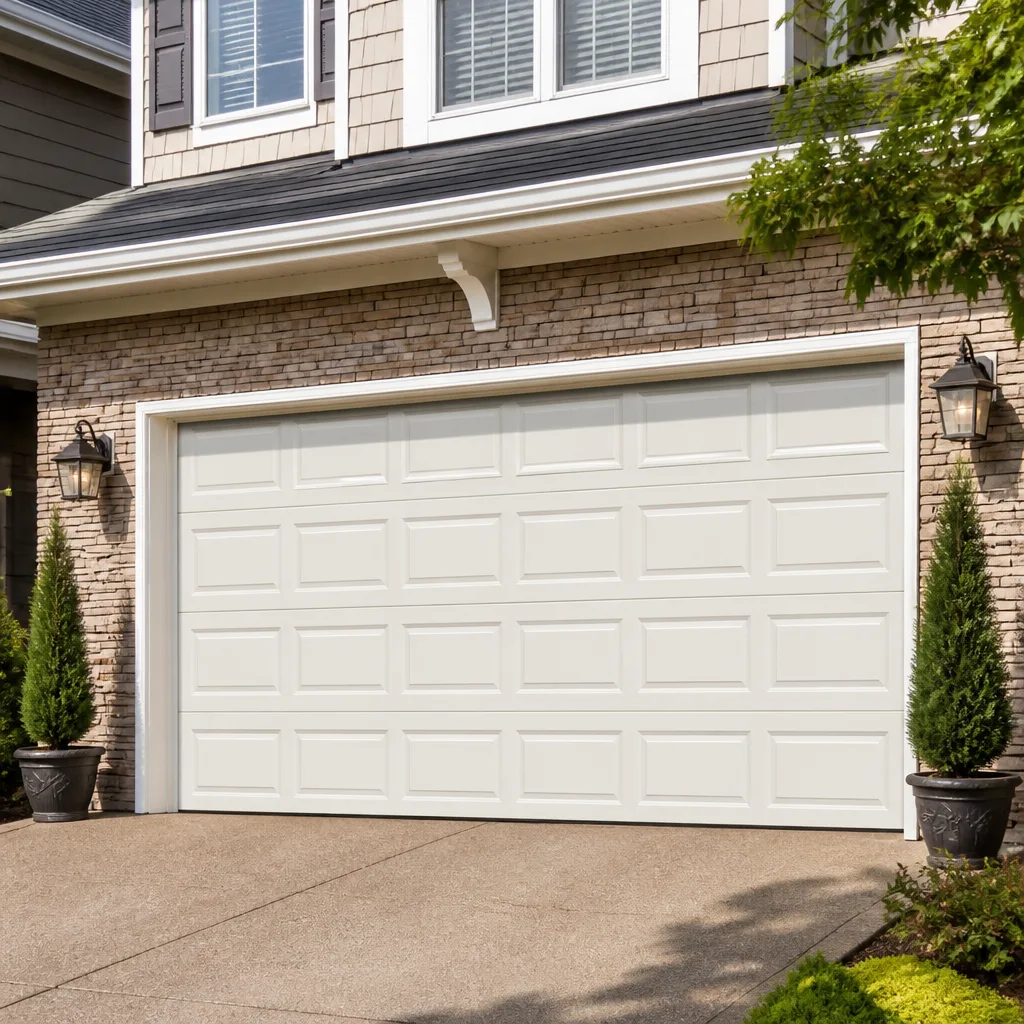 Raised-panel steel
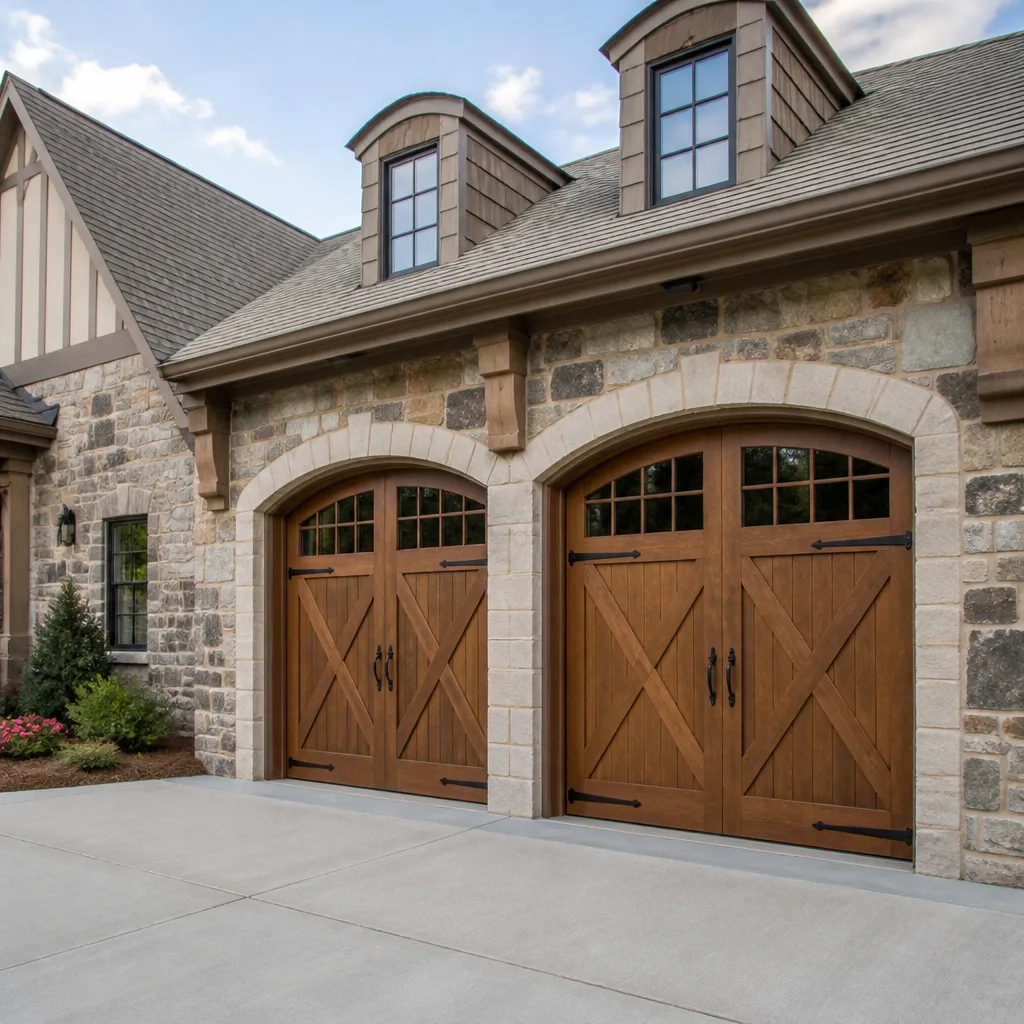 Carriage house
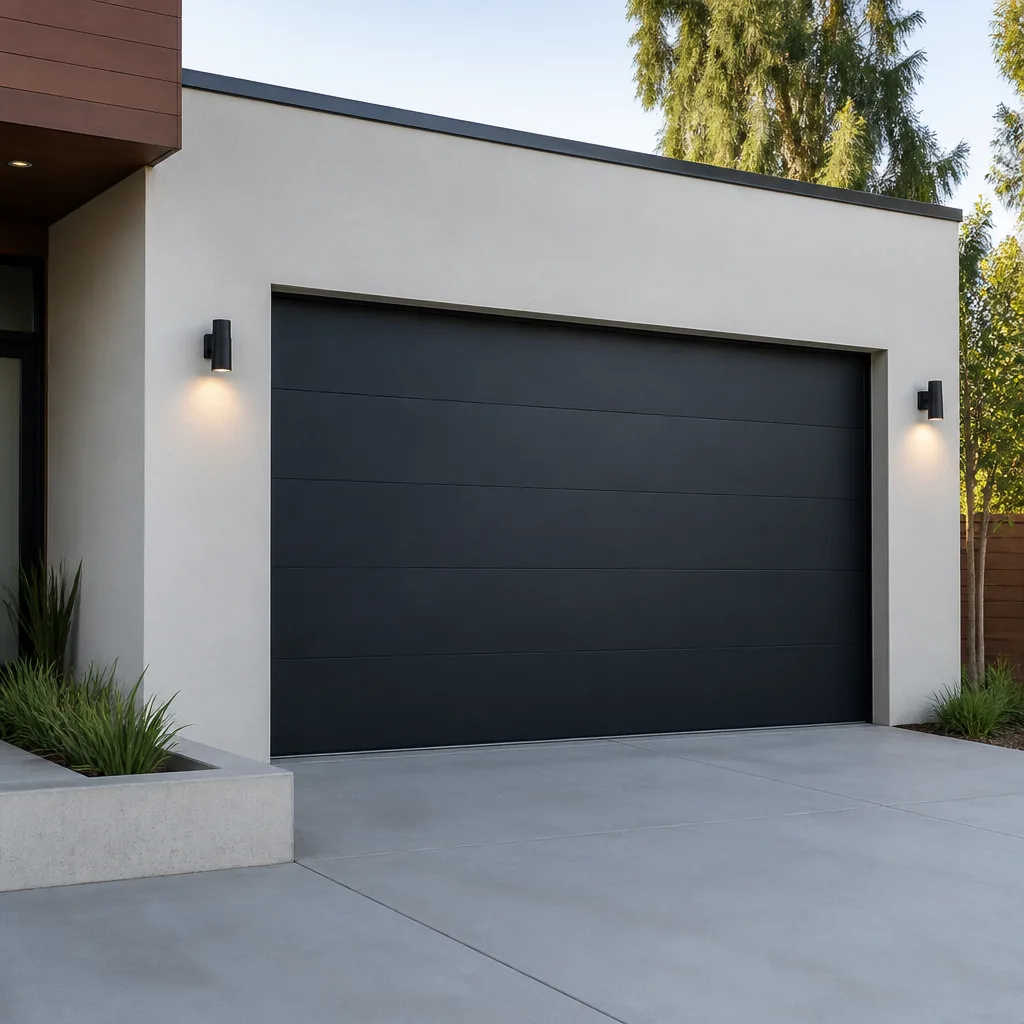 Modern flush
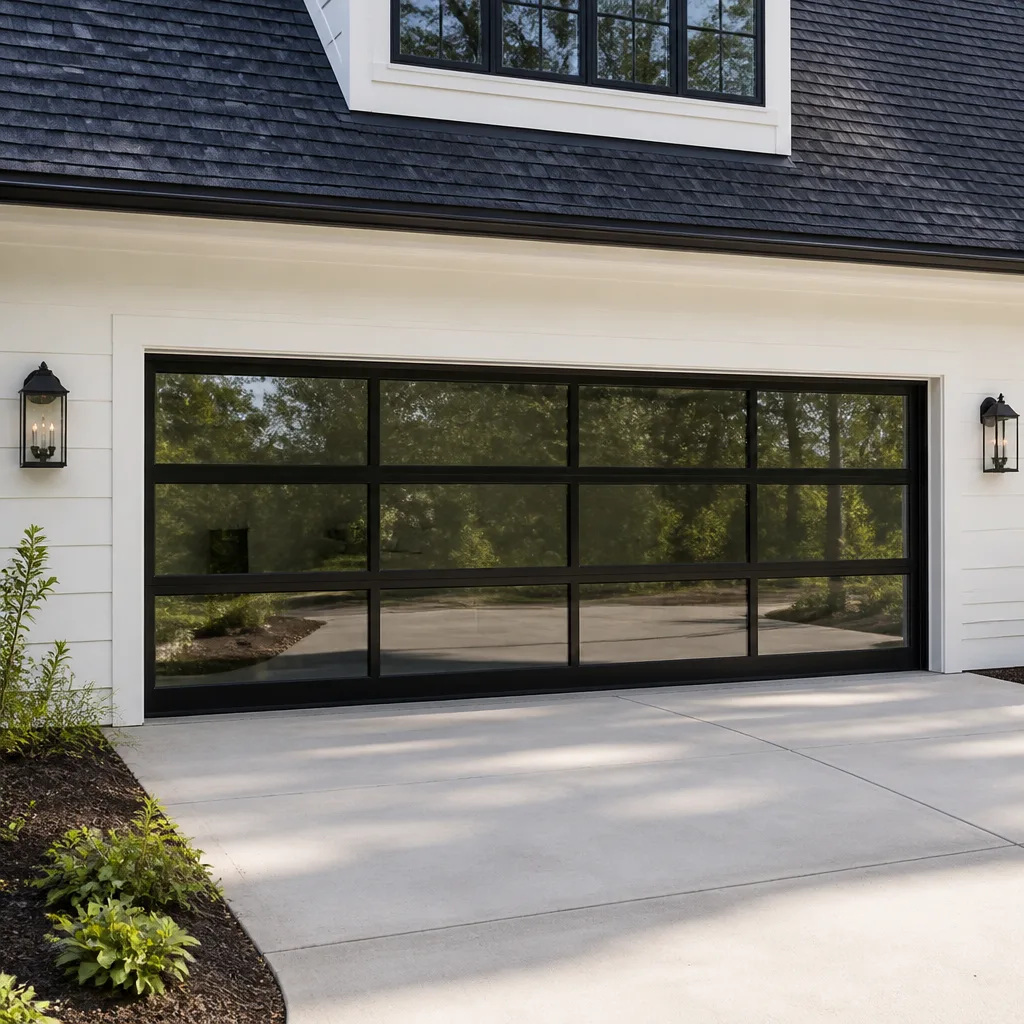 Full-view glass
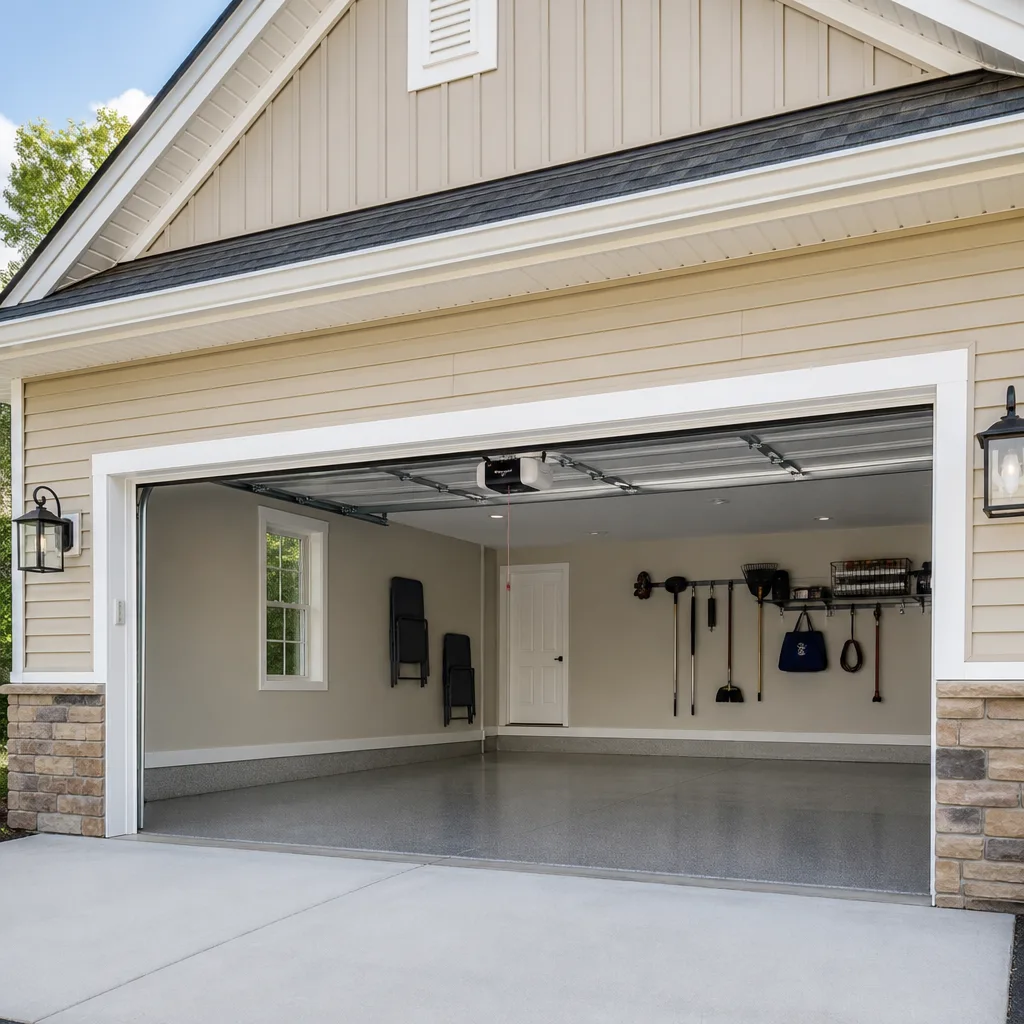 LiftMaster openers
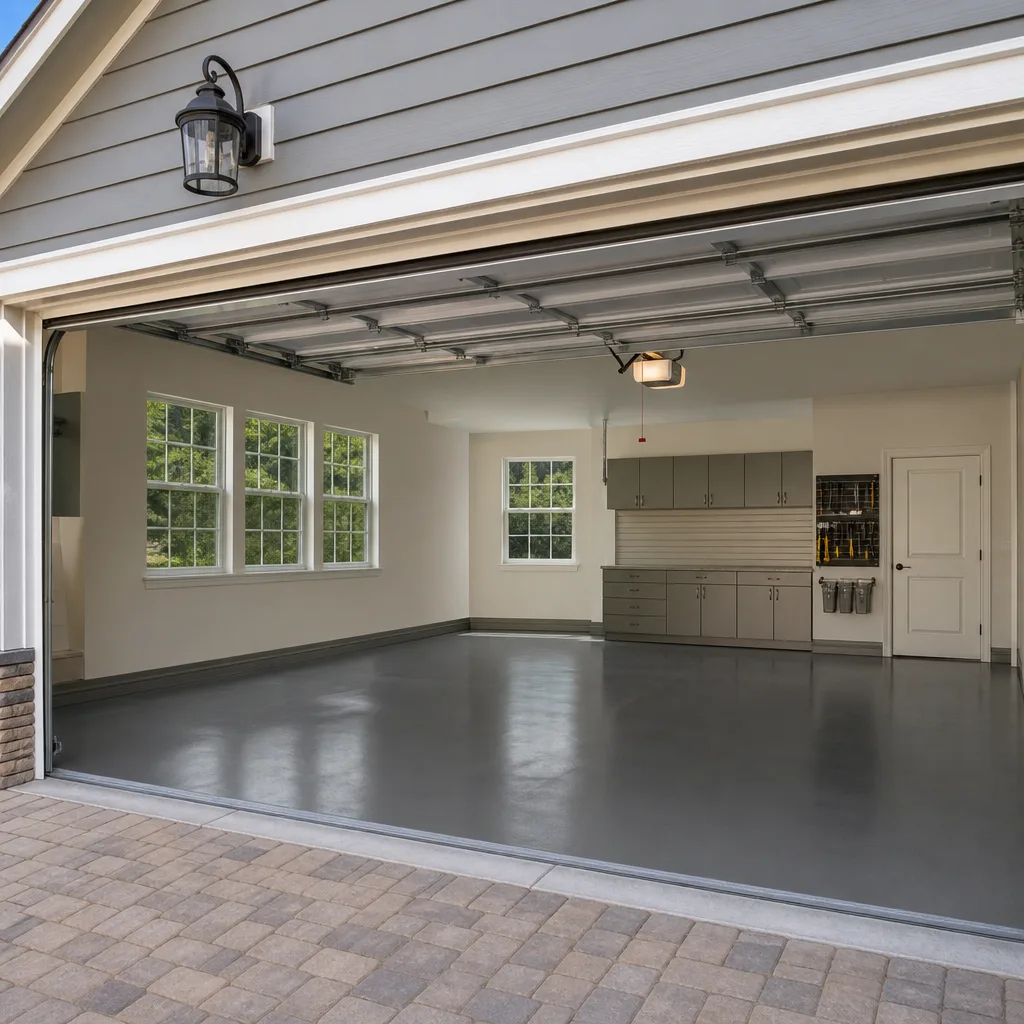 Chamberlain openers
Full 25-point door and opener safety check with every visit - springs, cables, rollers, tracks, and your LiftMaster or Chamberlain opener included
You get a price before we start. It does not change when the truck arrives.
Get your free estimateThe Complete Garage Door Repair Guide for Kissimmee Homeowners
Most garage door springs carry a cycle rating stamped right on the coil: 10,000 cycles, 20,000 cycles, maybe 30,000 on premium models. Those numbers come from testing in dry, temperature-controlled environments. Kissimmee’s climate is neither dry nor controlled. Humidity routinely exceeds 80%, salt drifts inland from both coasts, and UV indexes sit in the extreme range for months at a time. The practical result: hardware rated for a decade in Ohio can fail in six or seven years in Osceola County. This guide covers what actually breaks, when it breaks, what it costs here specifically, and which repairs genuinely need our Garage Door Repair services rather than a general handyman. We’ll walk through springs, cables, openers, seals, and the decision points Kissimmee homeowners face that national repair guides never mention.
Quick Answer
Garage door repair in Kissimmee typically runs between $150 and $350 for spring replacement, $125 to $225 for cable replacement, and $175 to $400 for opener repairs, depending on brand, model, and part availability. Most repairs are completed the same day by a brand-fluent specialist. The key difference in Kissimmee is repair *timing*: the same component degrades faster here than national averages predict, so what looks like a minor issue is often a failing part that should be replaced before the door collapses mid-cycle. For more guides & resources on local maintenance, see our blog.
Styles & brands we work with
Table of Contents
- How Kissimmee’s Climate Changes Repair Timelines
- Garage Door Springs: The Component That Fails First
- Cables and Rollers: What Fraying Actually Means
- Garage Door Opener Repair: A Specialty, Not an Afterthought
- Bottom Seals and Weatherstripping: The Pest and Moisture Line
- Repair vs. Replace: A Component-by-Component Decision Matrix
- Documenting Repair Work Without Voiding Your Warranty
- Red Flags: Low-Cost Quotes That Set Up a Second Service Call
How Kissimmee’s Climate Changes Repair Timelines
Spring manufacturers publish cycle-life ratings assuming a clean, dry operating environment. Kissimmee homeowners don’t live in that environment. We’ve replaced springs in Buenaventura Lakes that had visible surface corrosion after only four years of service. The same spring model, installed in a climate-controlled garage in Central Ohio, would have hit the 10-year mark without issue.
Three climate factors accelerate garage door hardware degradation here:
- Humidity and spring fatigue. High ambient moisture causes micro-pitting on spring coils. Each cycle of the door slightly flexes those pits, and over thousands of cycles, the pitting becomes a stress riser. Rated spring life can drop by 30% or more in coastal-influenced Central Florida humidity before the first visible rust appears.
- Salt air drift. Kissimmee sits roughly equidistant from the Atlantic and Gulf coasts. Prevailing winds carry trace salt particles inland. Salt accelerates galvanic corrosion on cables, rollers, and hardware. Stainless steel rollers that would last 12 years in Atlanta can show bearing roughness in 6 to 8 years here.
- UV degradation of seals and weatherstripping. The rubber compounds used in bottom seals and side weatherstripping break down under sustained UV exposure. Kissimmee averages 230+ sunny days per year. Bottom seals that a manufacturer expects to last 5 years often crack and flatten in 2 to 3.
What this means in practice: if your garage door is 5 years old and located in a neighborhood like Poinciana or Celebration with full afternoon sun exposure, inspect the bottom seal now. It’s likely compressed or cracked even if the door itself operates fine. And if your door is 7 or 8 years old and still running original springs, treat every smooth operation as borrowed time. The failure is coming sooner than the national average suggests.
Garage Door Springs: The Component That Fails First
Torsion springs are the most repaired component on garage doors in Kissimmee, and the reason is simple: they do all the heavy lifting, every single cycle. A typical family opens and closes their garage door 3 to 5 times daily. That’s 1,100 to 1,800 cycles per year. A 10,000-cycle spring should last 5 to 9 years. In Kissimmee’s humidity, plan for the lower end of that range, and in unrestrained salt-exposure areas, plan below it.
What Spring Failure Looks Like
A broken torsion spring announces itself loudly, usually with a bang that sounds like a gunshot inside the garage. The door may open a few inches and stop, or it may not move at all. If you have a single-car door with one spring, that spring carries the full door weight. When it breaks, the opener motor cannot lift the door alone.
With a two-spring system, which is standard on double-wide doors, one spring can break while the other holds. The door may open crooked, feel heavy at one side, or cause the opener to strain audibly. Left unaddressed, the surviving spring carries double its rated load, which shortens its remaining life dramatically and can lead to cable drum misalignment.
Kissimmee Pricing Benchmarks
| Service | Typical Kissimmee Price Range |
|---|---|
| Single torsion spring replacement | $180 – $280 |
| Double torsion spring replacement | $280 – $450 |
| Extension spring replacement (older doors) | $150 – $240 |
| Spring + full door tune-up (rollers, cables, balance check) | $350 – $550 |
These figures reflect the Kissimmee market specifically. We’ve seen quotes from national chains come in $80 to $120 higher for the same spring work, largely because they price for franchise overhead rather than local part costs.
Safety note: torsion springs are under extreme tension. Attempting to wind or unwind them without the proper winding bars and training can cause life-threatening injury. This is not a project for a YouTube tutorial. We carry replacement springs for Clopay, Amarr, Wayne Dalton, and Raynor door systems on the truck, so the right part gets installed during the first visit, not ordered and rescheduled.
Kissimmee Garage Door Service home offers same-day spring replacement in Kissimmee and throughout Osceola County.
Cables and Rollers: What Fraying Actually Means
A garage door cable that shows a few broken strands is not “wearing in.” It’s failing. Cables operate under constant tension, and once individual strands begin snapping, the remaining strands carry disproportionate load. A cable that loses 30% of its strands can fail completely within weeks, not months. In Kissimmee, we add an extra factor: humidity-accelerated internal corrosion that’s invisible until the cable gives way.
- Mild fraying (1-3 broken strands at the loop): monitor weekly. This is the earliest warning sign. In dry climates you might get a few months; in Kissimmee, plan for replacement within 30 days.
- Moderate fraying (visible splaying along the cable run): replace now. Do not operate the door more than absolutely necessary.
- Severe fraying or cable off the drum: do not operate the door at all. Call a garage door specialist. A cable that jumps the drum under tension can whip and cause serious injury or damage to the door sections.
Rollers follow a similar degradation curve, but with a telltale sound signature. Metal rollers with worn bearings produce a grinding rumble that worsens over weeks. Nylon rollers with failing bearings click rhythmically as the door moves. In Kissimmee’s humidity, roller bearings lose their internal lubrication faster because moisture displaces grease over thousands of cycles. We routinely replace rollers on 6-year-old doors in St. Cloud and Buena Ventura Lakes that would have lasted a decade in drier climates.
When to Replace vs. Lubricate Rollers
- Remove visible surface debris from the roller stem with a dry cloth.
- If the roller spins freely by hand and is silent, apply a small amount of white lithium grease to the bearing and continue use.
- If the roller wobbles on its stem or makes any grinding sound when spun, the bearing is compromised. Replacement is the only correct fix.
- If the roller shows visible surface rust on the wheel face, replace it. Surface rust creates friction against the track and accelerates wear on the entire system.
Garage Door Repair in Taft covers cable and roller replacement for homes in the Taft area and surrounding Osceola County communities.
Garage Door Opener Repair: A Specialty, Not an Afterthought
When a garage door opener quits responding, most homeowners assume the motor burned out. In our experience in Kissimmee, that’s true less than 20% of the time. More often, the problem is a failing logic board, a misaligned safety sensor, a stripped gear, or a limit switch that’s lost its calibration. These are repairable issues, and they’re specific to the opener brand and generation you own.
This is where brand fluency matters. A LiftMaster opener from 2018 uses a different logic board revision than a LiftMaster from 2015. A Chamberlain with MyQ integration has different troubleshooting steps than a Genie with Intellicode. A general handyman can swap a motor. A dedicated garage door specialist can identify which board revision, gear kit, or sensor assembly your specific model needs before showing up.
Opener repair is a named specialty for us, covering smart-home-compatible openers from LiftMaster and Chamberlain, the two most common platforms in Kissimmee garages, plus Genie, Craftsman, and Raynor units.
Common Opener Problems We Repair in Kissimmee
- Opener runs but door doesn’t move: stripped plastic gear (common on Chamberlain and LiftMaster units built before 2015). The gear is a wear part designed to fail sacrificially. Replacement restores operation without replacing the motor.
- Door reverses immediately after hitting the floor: limit switch calibration drift, often triggered by humidity swings that cause the floor seal to compress differently across seasons. Recalibration takes 20 minutes.
- Safety sensors blink and door won’t close: misalignment or sun blindness. Direct afternoon sun through an east-facing or west-facing garage can overwhelm the infrared beam. In Kissimmee, we see this most often on west-facing doors in newer developments like Eagle Pointe.
- Remote works intermittently: failing capacitor on the receiver board. The heat cycling in uninsulated Kissimmee garages accelerates capacitor failure. Board-level repair or replacement resolves it.
- Opener works but door struggles: this is usually not the opener at all. It’s a weakened spring transferring excessive load to the motor. The opener is working harder to compensate. Fix the spring, and the opener’s performance returns.
Opener replacement only makes sense when the motor windings have failed (rare before 12 to 15 years of service), the unit is older than 15 years with multiple simultaneous failures, or you want smart-home functionality your old unit doesn’t support. We service what you already own before recommending replacement. That’s the entire point of a brand-agnostic model.
Garage Door Opener Repair in Taft covers opener diagnostics and repair for homes in Taft and neighboring communities.
Bottom Seals and Weatherstripping: The Pest and Moisture Line
The bottom seal is the most overlooked garage door component in Kissimmee, and the consequences go beyond water intrusion. Florida’s warm, humid climate makes the gap under a garage door an open invitation to palmetto bugs, spiders, lizards, and the occasional snake seeking cool shelter. A worn seal with a half-inch gap is effectively a door left ajar for pest purposes.
Bottom seals in Kissimmee degrade on an accelerated schedule. Expect replacement every 2 to 3 years, not the 5-year cycle common in temperate climates. Signs of failure include visible flattening (the seal no longer compresses into a dome when the door closes), cracks perpendicular to the seal length, or chips breaking away at the ends.
Types of Bottom Seals We Install
- T-style (also called astragal) fits into a single retainer channel. Common on Clopay and Amarr doors. Most Kissimmee homes with builder-grade doors have this style.
- Bulb-style uses two retainers and provides better compression on uneven concrete pads. We recommend this for older homes in neighborhoods like Orange Gardens where slab settling is common.
- Heavy-duty U-style slides onto the bottom panel without a retainer. Standard on many commercial doors, occasionally found on residential Raynor doors.
Side and top weatherstripping (the vinyl strips mounted on the frame) also degrade faster in Kissimmee’s UV and humidity. When they crack or pull away from the jamb, they lose their insulating value and create gaps for flying insects. Replacement is inexpensive relative to the cost of the pests and moisture they keep out.
Garage Door Installation in Taft includes brand-matched seal replacement for homes in the Taft service area.
Repair vs. Replace: A Component-by-Component Decision Matrix
This is the question every Kissimmee homeowner eventually faces, and DIY vs Professional Garage Door: The Kissimmee Homeowner’s Decision Guide can help you decide: is it worth repairing this part, or is replacement the smarter long-term move? The answer depends on the component, the door’s age, and whether the door is hurricane-rated.
Components Worth Repairing Every Time
- Safety sensors: a $35-$60 part. Replace, never throw away a working opener over a failed sensor.
- Limit switches and logic boards: repair is almost always more economical than a new opener.
- Rollers (when caught early): a full roller replacement runs $85-$160. A collapsed roller can damage track sections that cost far more.
- Bottom seals and weatherstripping: replace the seal, never the door.
Components Where “Repair” Means “Replace the Part”
- Springs: springs are not repairable. When one fails, it gets replaced. On a two-spring door with one broken spring, replace both. The unbroken spring has the same cycle count and is near failure.
- Cables: frayed cables are replaced, never spliced. Spliced cables are a shortcut that fails catastrophically.
- Opener gears: the stripped nylon gear is replaced with a new gear kit. The motor itself is untouched.
Components Where Replacement of the Door Makes More Sense
- Door sections with structural damage: if a car impact crushed a bottom section, mismatch between old and new paint finishes will always look off. On doors older than 8 years, full door replacement is often comparable in price to section replacement once labor and refinishing are factored in.
- Doors with significant rust-through on the interior skin: common in older Kissimmee homes with original wood or thin-gauge metal doors. Once rust has breached the panel, structural integrity is compromised.
- Non-hurricane-rated doors on homes in wind-borne debris zones: Kissimmee building code requires wind-rated doors in many areas. If your old door doesn’t meet current wind-load requirements and has already sustained damage, replacement with a code-compliant door is the responsible call.
The repair-first approach works for most situations. We service the brand you already own rather than steering toward replacement unless replacement genuinely serves the homeowner’s long-term interest. When replacement is the right call, we install Clopay, Amarr, Wayne Dalton, and Raynor doors, which covers the majority of what’s already installed in Kissimmee’s HOA communities.
Documenting Repair Work Without Voiding Your Warranty
Newer garage doors in Kissimmee typically carry a limited warranty covering the door sections, springs, and hardware for anywhere from 3 years to lifetime, depending on the manufacturer and model tier. What many homeowners don’t realize: manufacturer warranties can be voided by improper repair work, undocumented parts swaps, or service by unqualified technicians.
If your door is still under warranty, follow these steps to protect it:
- Find your warranty documentation and note the coverage period for each component. Springs often carry shorter coverage than door sections.
- Photograph the serial number and model plate, usually located on the end stile of the bottom section or inside the top section.
- When repair work is needed, request that the technician document the specific part number replaced and the brand of the replacement component. Manufacturer-matched parts preserve the warranty; generic parts can void it.
- Keep all receipts and work orders. If a future warranty claim is disputed, documentation of proper prior service protects your position.
- If your door was installed by a builder during construction, verify whether the warranty transferred to you at closing. Builders in Kissimmee’s newer developments sometimes hold warranties until the home is sold.
We carry manufacturer-branded parts for Clopay, Amarr, Wayne Dalton, Craftsman, and Raynor systems. That matters for warranty preservation. A generic part may fit, but it can give the manufacturer grounds to deny a future claim on related components.
Red Flags: Low-Cost Quotes That Set Up a Second Service Call
We see this pattern in Kissimmee regularly: a homeowner gets a quote for spring replacement at $89, books it, and six months later the “new” spring fails or the door starts running rough. The problem is rarely bad luck. It’s the predictable result of shortcuts built into the low price.
Here are the red flags to watch for:
- The quote doesn’t specify the spring brand or cycle rating. Unbranded springs with 10,000-cycle ratings at best are standard for low-cost providers. Quality springs from established manufacturers carry 20,000 to 30,000 cycle ratings. In Kissimmee’s climate, the difference between a 10,000-cycle and a 20,000-cycle spring is roughly 3 to 5 years of service life.
- The technician replaces one spring on a two-spring door without mentioning the other. This cuts the initial price but leaves you with a mismatched pair. The old spring has exhausted cycles. The new spring is fresh. The door operates unbalanced, and you’ll be paying for a second visit in months, not years.
- No mention of cable inspection or roller condition. A thorough spring replacement includes checking the cables and rollers while the tension is off. Skipping this means the next failure is already in motion.
- The quote is dramatically below market without explanation. Parts cost what they cost. If a quote comes in $60 below everyone else in Kissimmee, the difference is made up somewhere, usually in unbranded parts or skipped steps.
- The provider doesn’t ask about the door’s age, brand, or current symptoms before quoting. A real diagnosis requires information. A flat price before any questions suggests a volume operation that treats every door the same.
One call covers it: repair, opener, or new installation. If the quote seems too low to be true, ask the provider to specify part brands and cycle ratings in writing. A legitimate garage door specialist will have no problem doing that.
Common Mistakes to Avoid
- Lubricating the tracks. The rollers sit inside the tracks, but the track itself is not a friction surface. Grease on tracks collects dirt and grit, which accelerates roller wear. Lubricate the roller bearings and hinges only.
- Ignoring a door that’s slightly crooked when closing. A door that’s off-level by even half an inch signals developing cable or spring imbalance. The fix is cheaper today than after a cable snaps under load.
- Using WD-40 on springs. WD-40 is a water displacer, not a lasting lubricant. Springs need white lithium grease or a specific spring lubricant. In Kissimmee’s humidity, WD-40 evaporates within weeks.
- Disconnecting the opener and forcing the door manually after a spring breaks. The door may weigh 150 to 300 pounds. Without spring assistance, manual operation risks injury and panel damage. Leave it alone and call a specialist.
- Painting over weatherstripping or seals. Paint bonds to the seal and causes it to crack prematurely. If you’re painting your garage door exterior in Kissimmee, tape off the weatherstripping first.
- Ignoring opener oddities because “the door still opens.” A door that reverses occasionally, responds slowly, or makes a grinding sound is communicating a problem. The repair gets more expensive the longer it’s ignored.
- Replacing an old opener without checking the door balance first. A badly balanced door taxes any opener, new or old. If you install a new opener on an imbalanced door, you’re shortening the opener’s life and setting up the next failure.
See the difference
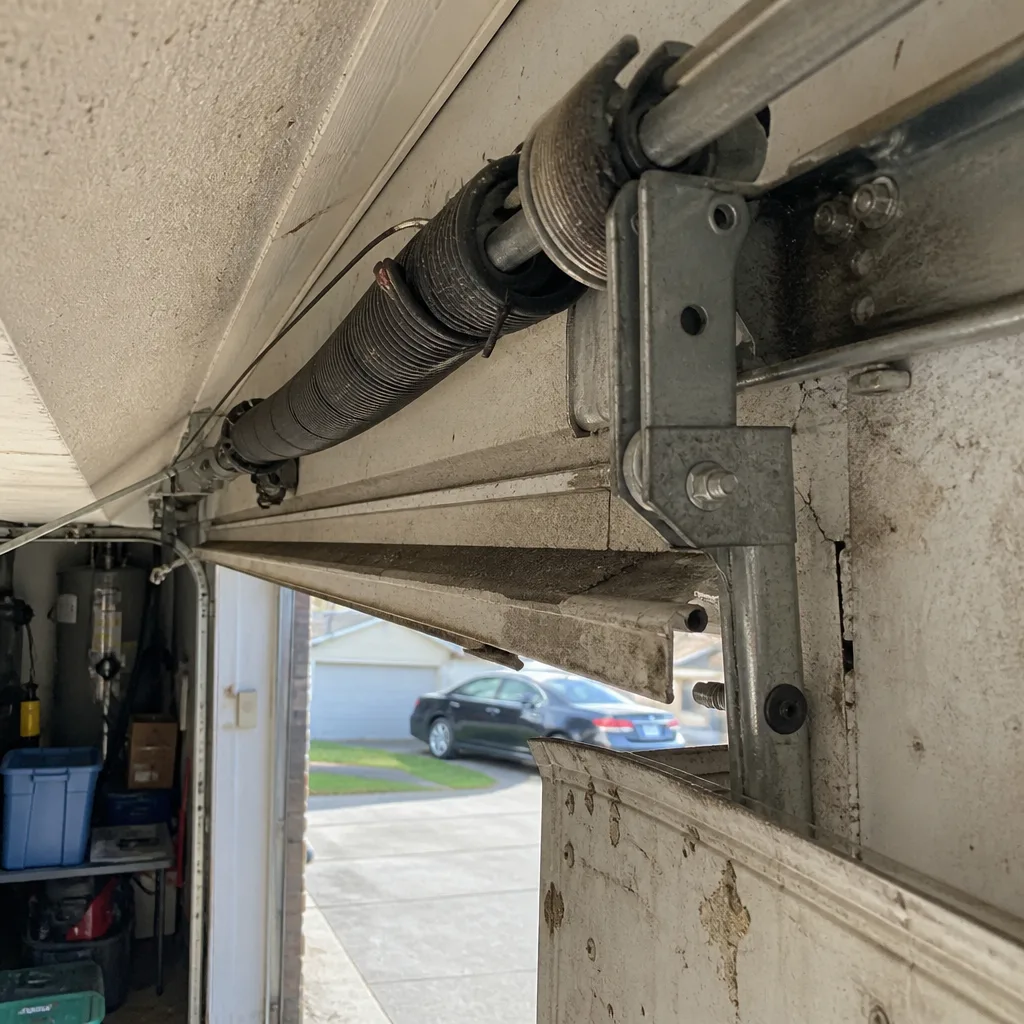 Before
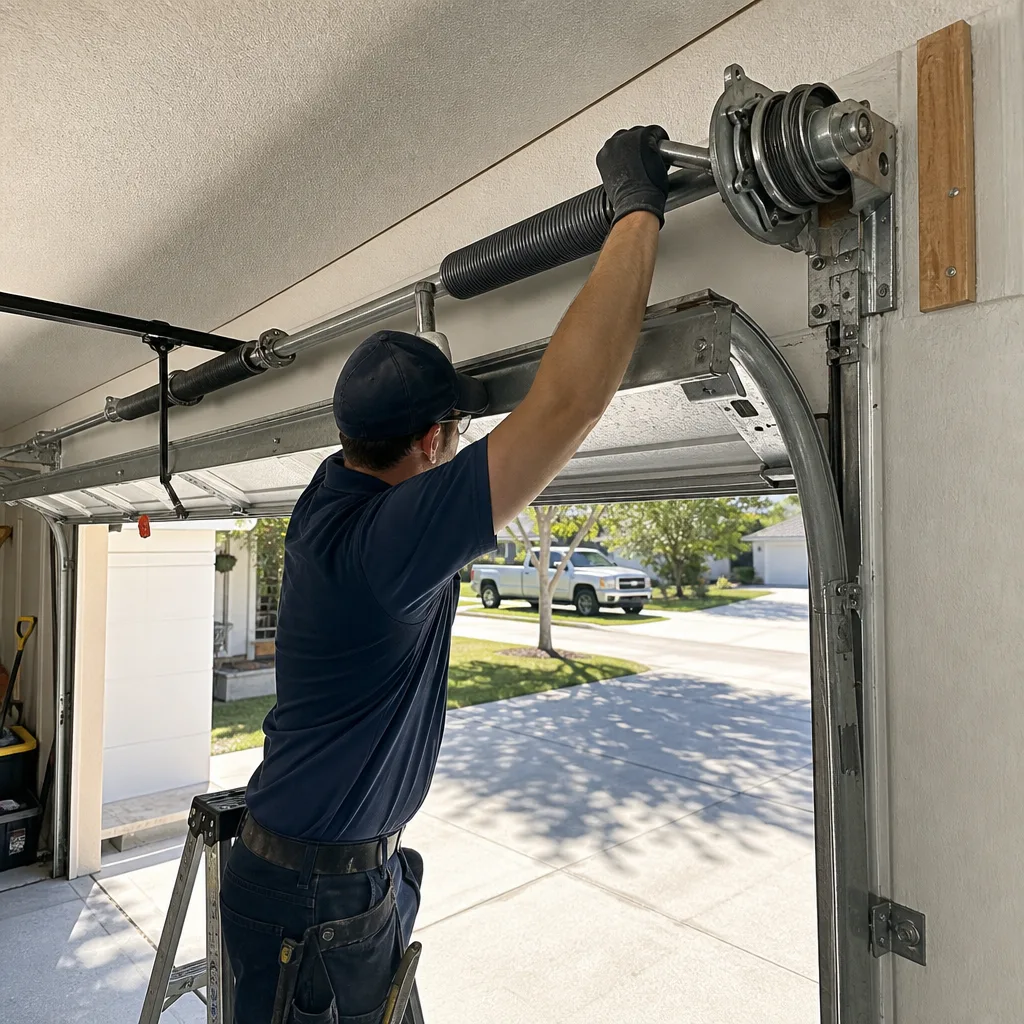 After
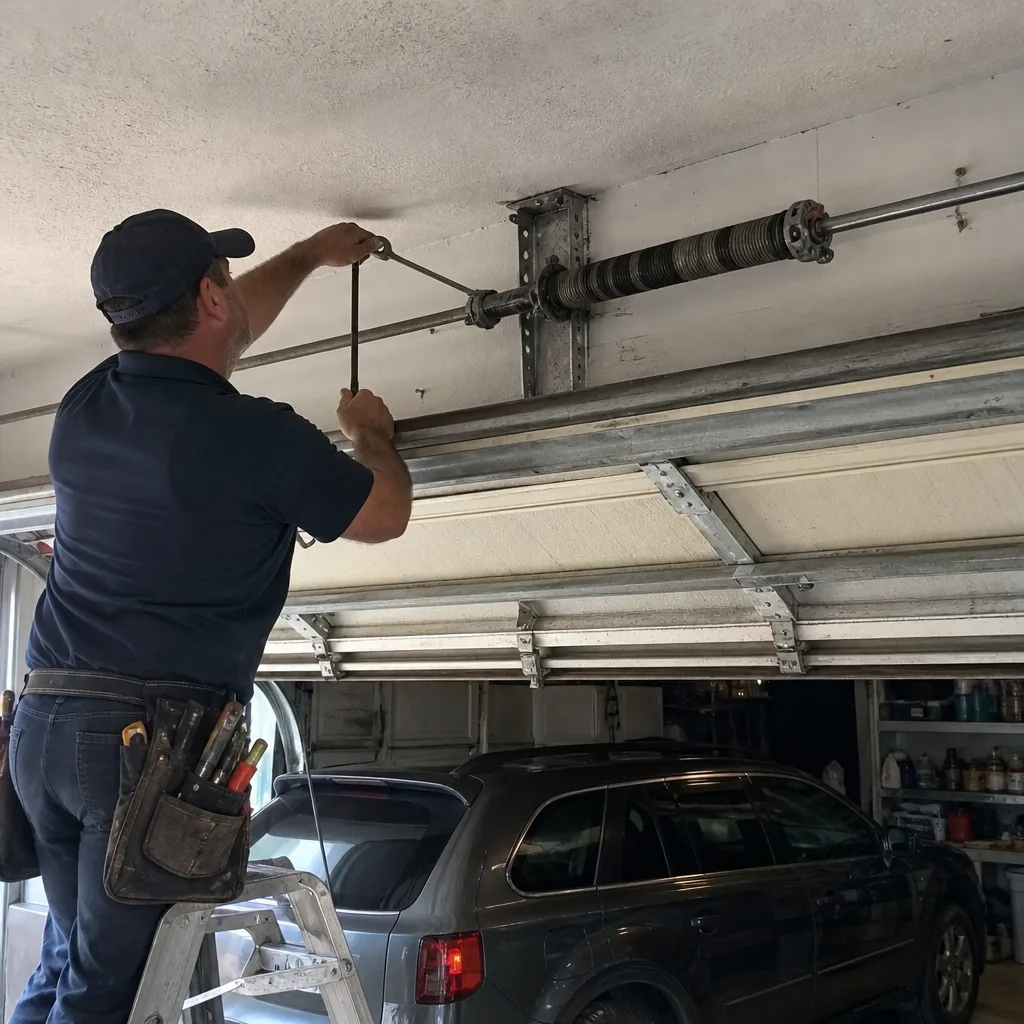 Before
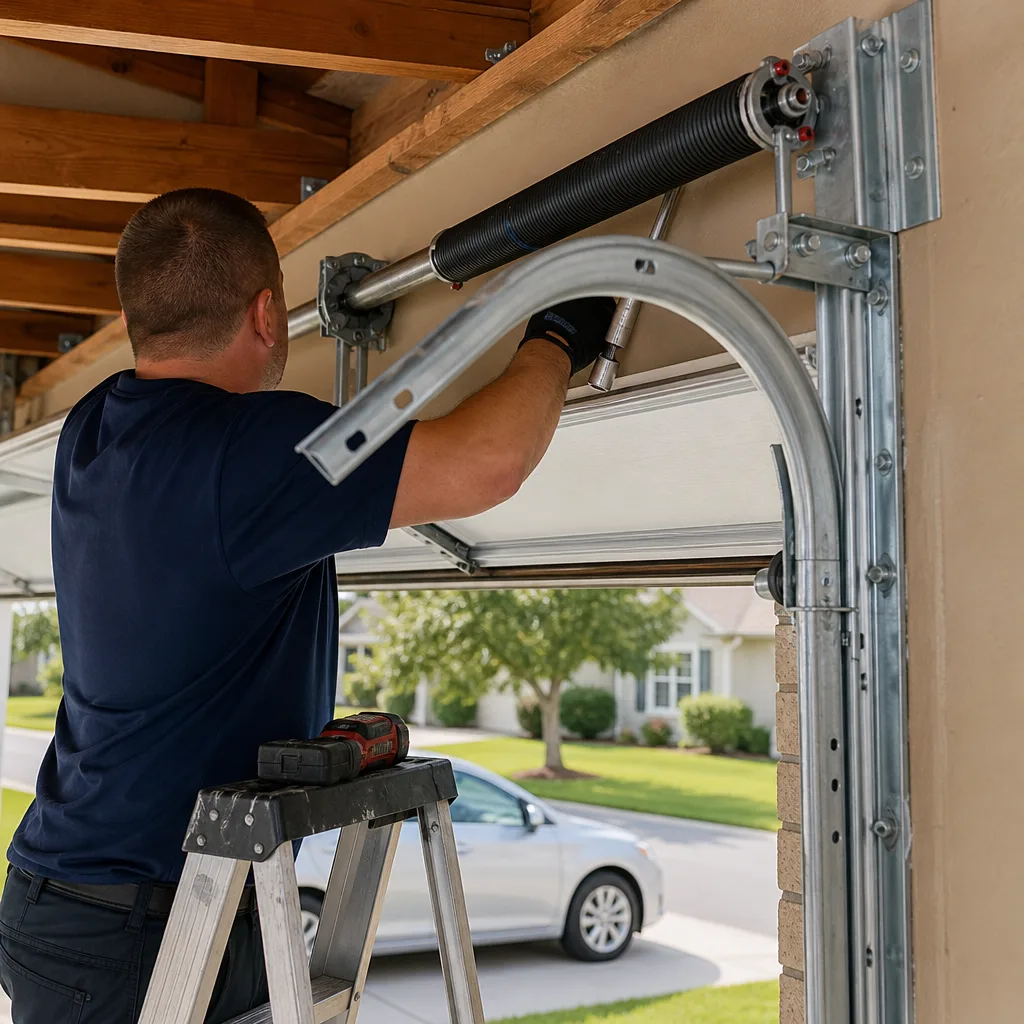 After
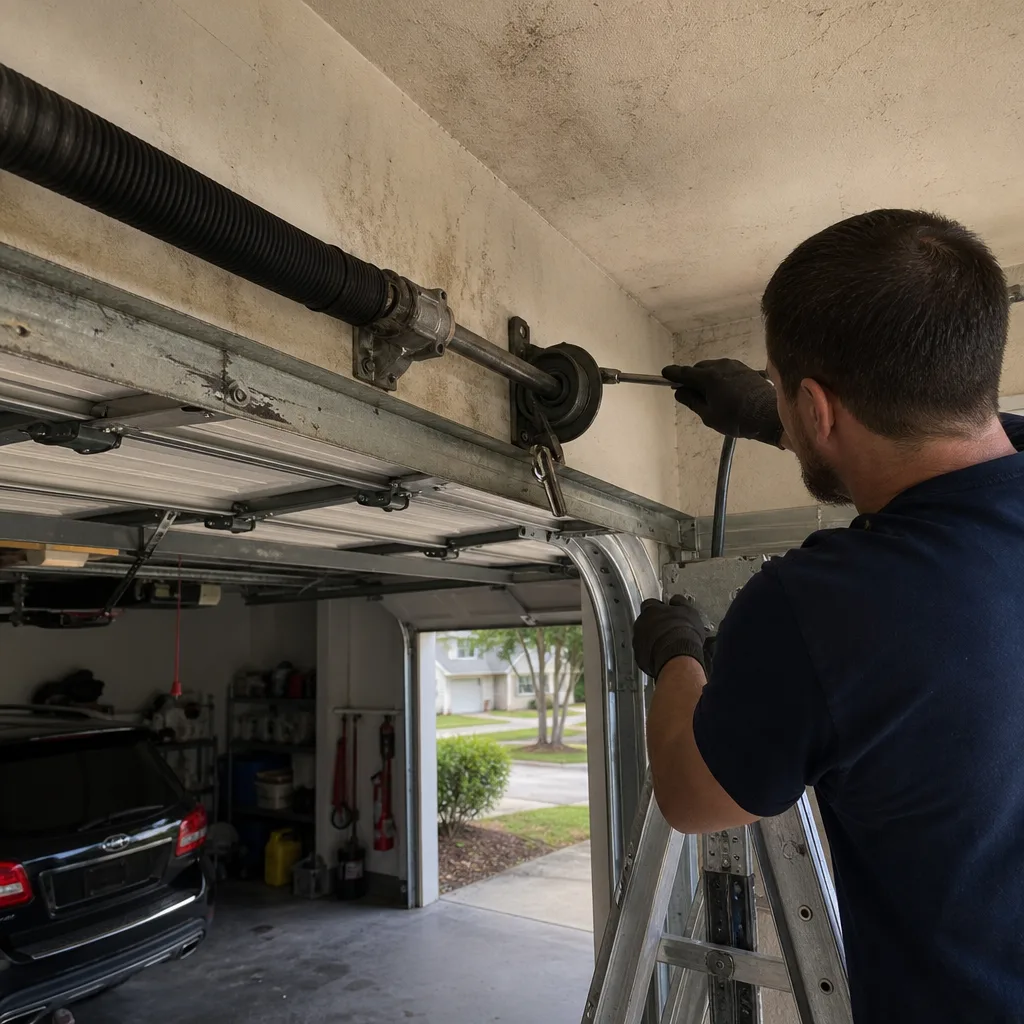 Before
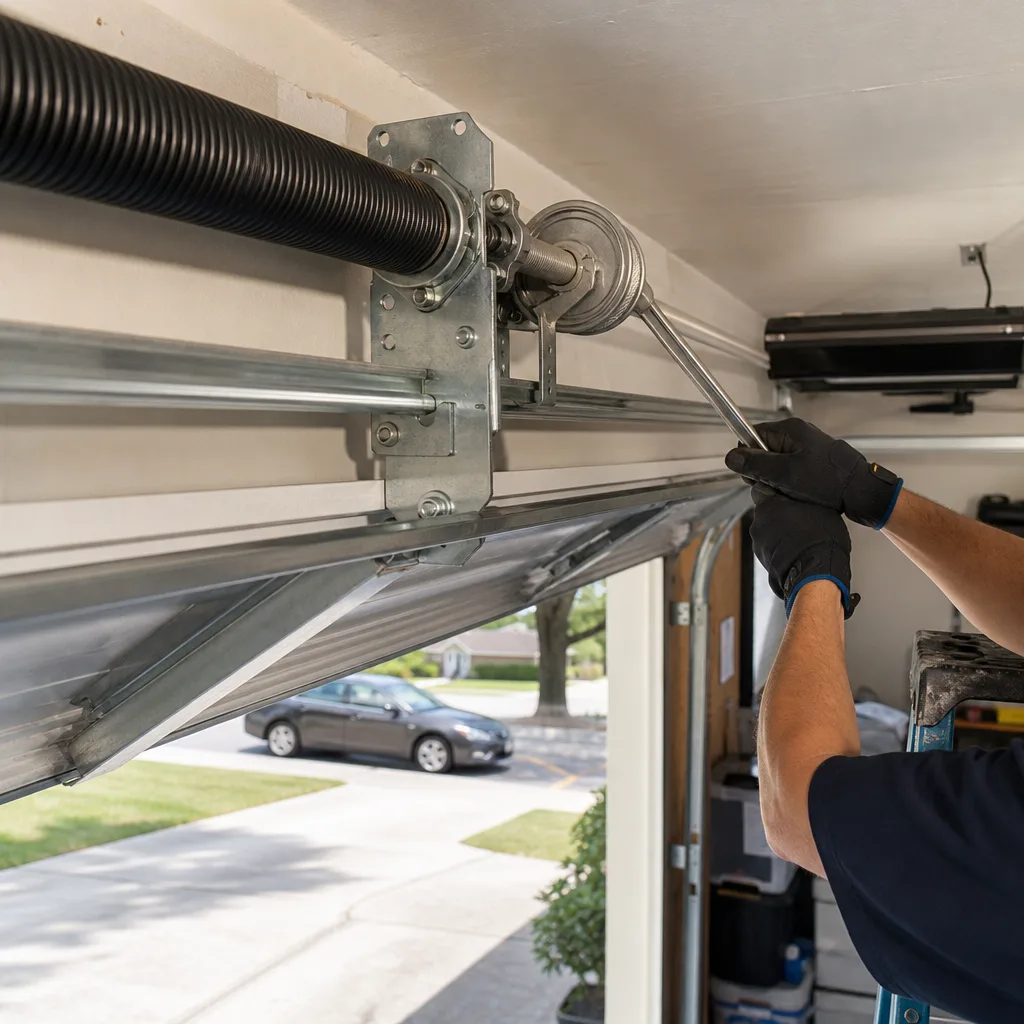 After
When to Call a Professional
Some garage door tasks are genuinely simple: lubricating hinges, tightening visible bolts, and cleaning the sensor lenses are all reasonable homeowner maintenance. The line is crossed when a component is under tension, when a failure is already in progress, or when your diagnosis stops at “the door won’t open.” Torsion springs, cables, and opener logic boards are all in specialist territory.
If your door won’t open, won’t stay open, opens crooked, makes a sharp noise, or leaves visible gaps along the bottom edge, call before operating it again. Kissimmee Garage Door Service offers free estimates in Kissimmee and surrounding Osceola County neighborhoods. Call (844) 662-1429 and we’ll walk through what you’re seeing before scheduling anything.
Frequently Asked Questions
Spring replacement in Kissimmee typically runs $180 to $280 for a single spring and $280 to $450 for a double-spring system, depending on brand and cycle rating. These prices reflect the local market and include labor. Call (844) 662-1429 for an exact quote on your door.
Yes. With our team, same-day spring and cable repair is standard in Kissimmee and throughout Osceola County. Opener diagnostics are also typically same-day, though certain specialty parts may require ordering. Call (844) 662-1429 to check current availability.
No. We quote the price before any work starts, and that price is what you pay unless the diagnostic reveals an additional issue you approve in advance. No work is performed without your sign-off.
We carry a broad inventory of springs, cables, rollers, bottom seals, and opener components for LiftMaster, Chamberlain, Genie, Clopay, Amarr, Wayne Dalton, Craftsman, and Raynor systems. Most repairs are completed on the first visit.
Given Kissimmee’s humidity and heat, we recommend an annual inspection and tune-up, with emphasis on the spring cycle count, cable condition, roller bearings, and bottom seal. Doors that face direct afternoon sun should have the seal inspected every year.
Many areas of Kissimmee and Osceola County fall within wind-borne debris zones where current building code requires wind-rated garage doors for new construction and substantial renovations. If you’re replacing a door, we can advise you on compliance requirements for your specific address.
The Bottom Line
The Complete Guide to Garage Door in Kissimmee explains why garage door repair here follows a different timeline than national guides suggest: the climate accelerates component wear. Springs fail sooner, cables corrode faster, and bottom seals crack earlier than manufacturer ratings predict. The cheapest path to reliable operation is proactive maintenance and repair at the first sign of failure, not after. If the door is brand-new and under warranty, document every repair carefully. If the quote is suspiciously low, ask what parts are going in before you book. And if anything about the door seems off, call a specialist before operating it. From a broken spring to a full new door, one call covers it: (844) 662-1429.
Written by the team at Kissimmee Garage Door Service, serving Kissimmee since 2011.