
Last updated October 31, 2026
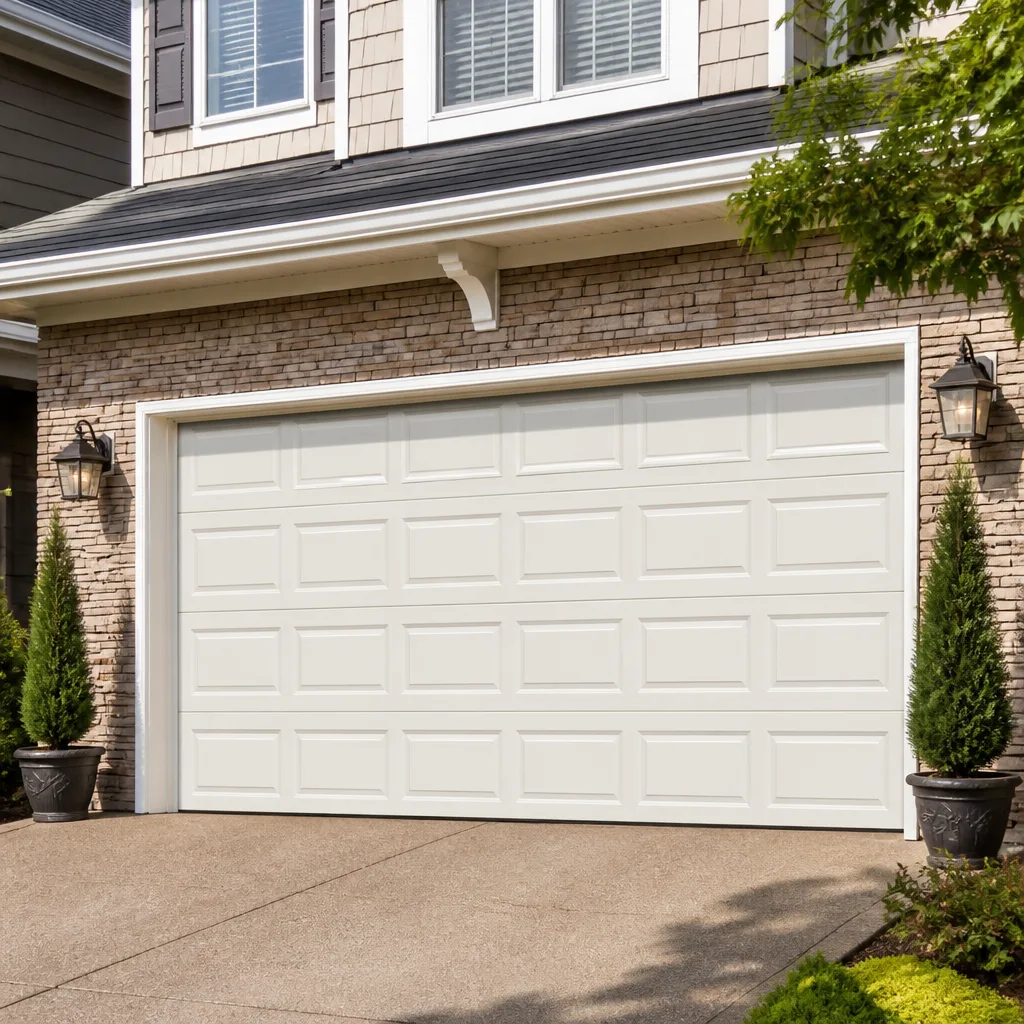 Raised-panel steel
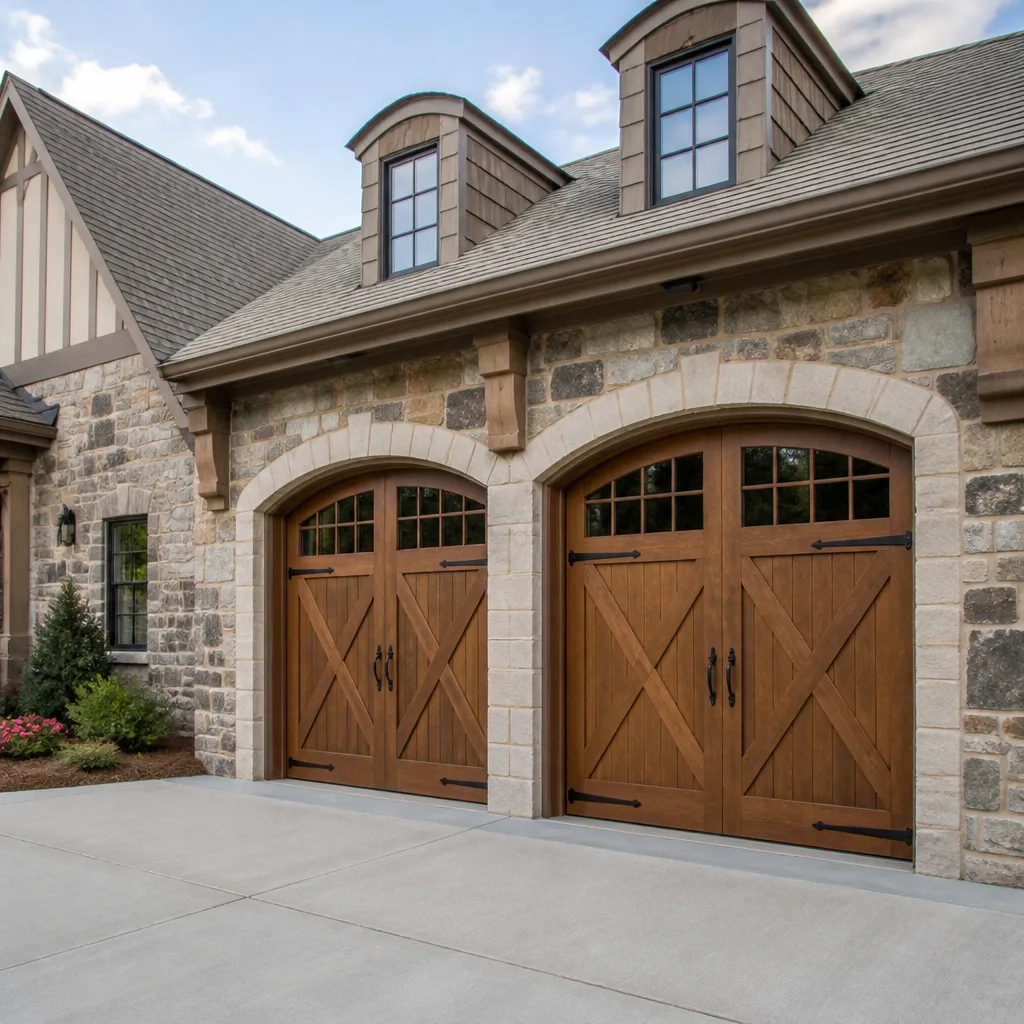 Carriage house
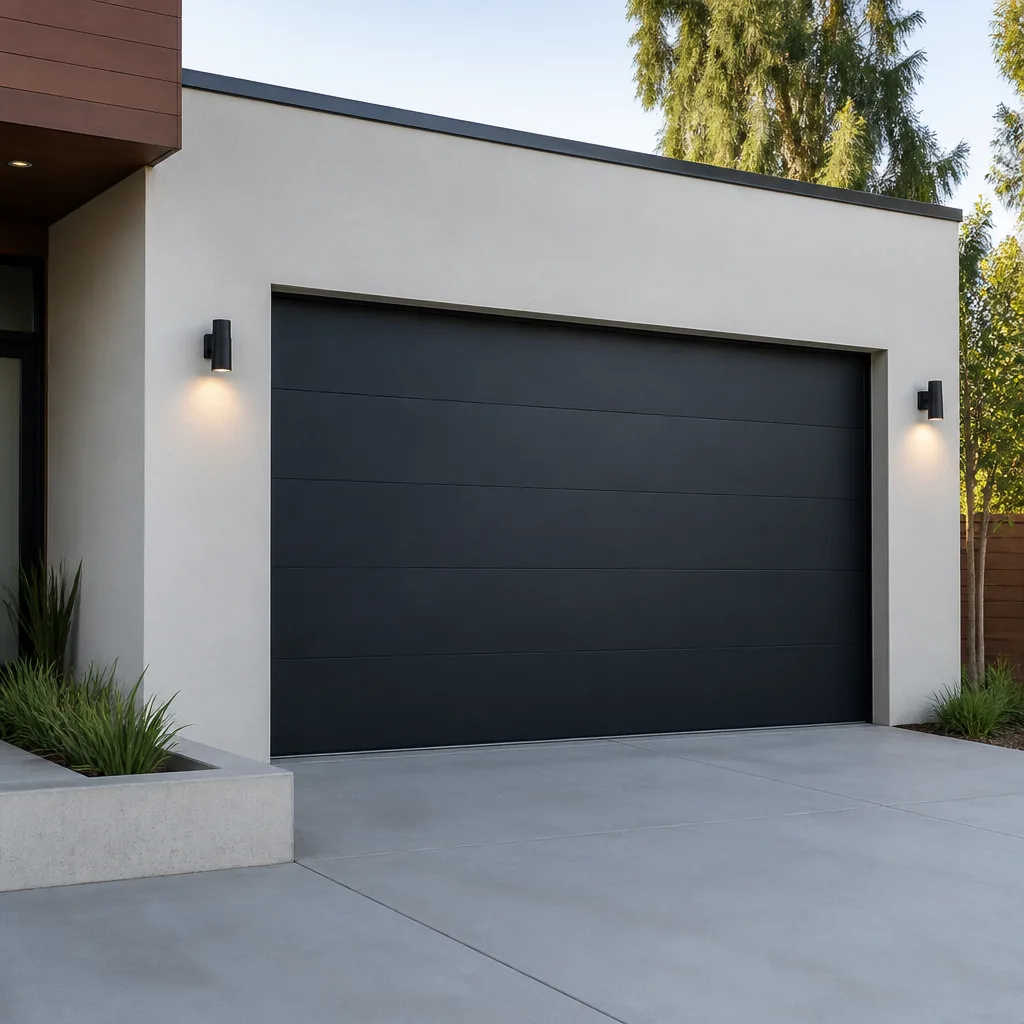 Modern flush
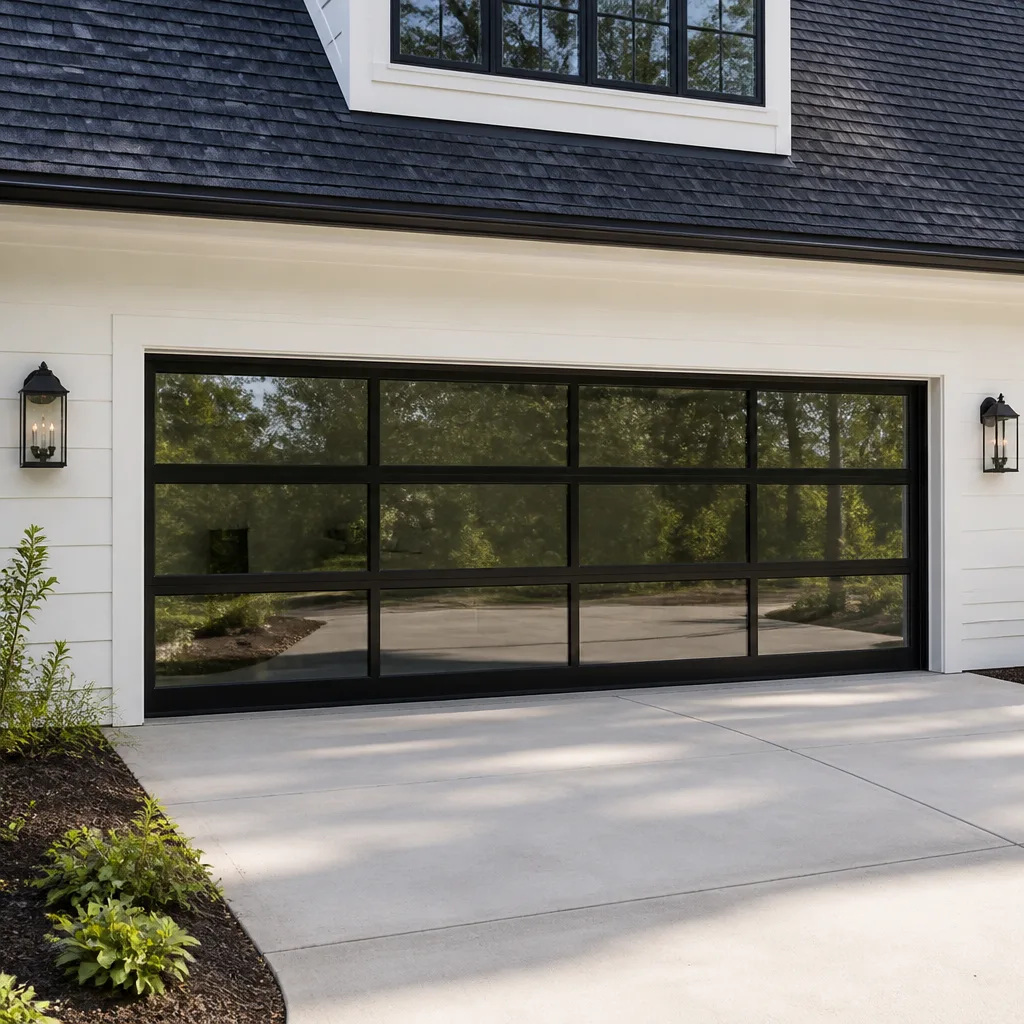 Full-view glass
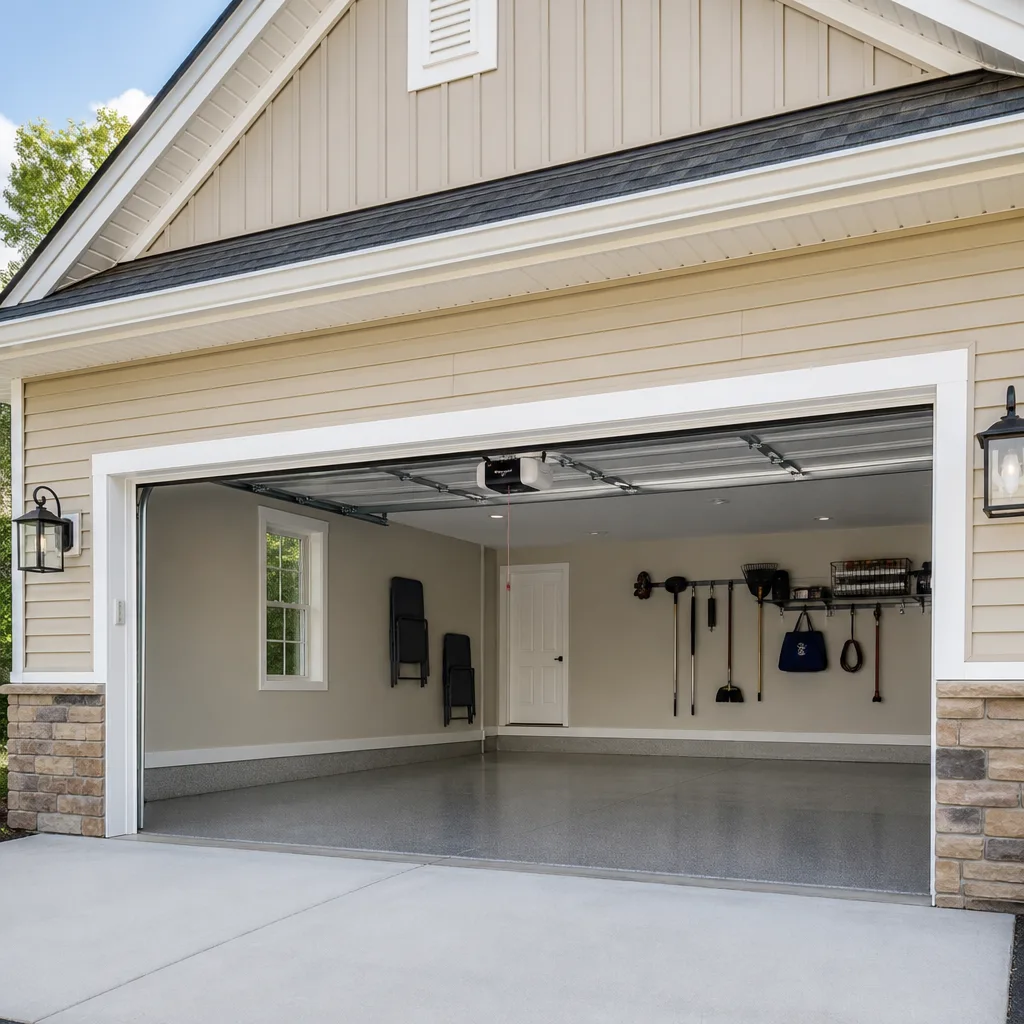 LiftMaster openers
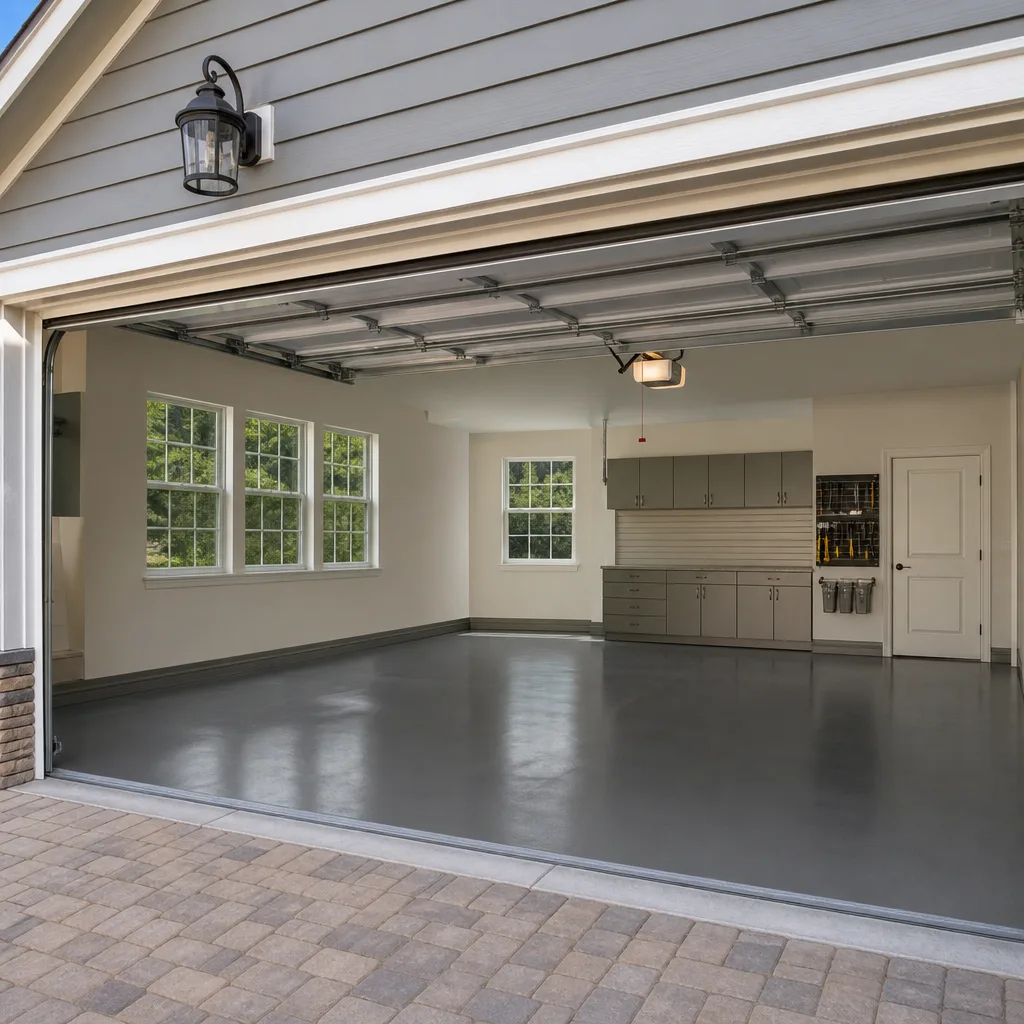 Chamberlain openers
Full 25-point door and opener safety check with every visit - springs, cables, rollers, tracks, and your LiftMaster or Chamberlain opener included
You get a price before we start. It does not change when the truck arrives.
Get your free estimateSeasonal Garage Door Care for Kissimmee: Year-Round Homeowner’s Guide
June 1st marks the start of Atlantic hurricane season, and if you haven’t tested your garage door’s manual release or checked your torsion spring tension before that date, you’re already behind schedule. Most seasonal maintenance guides talk about winterizing or spring tune-ups, but Kissimmee homeowners face a fundamentally different reality covered in The Complete Guide to Garage Door in Kissimmee. This guide covers the two real seasons here: hurricane prep and recovery, plus the hidden mechanical stresses that summer heat and dry winter air put on your door and opener. You’ll learn what to inspect, when to call someone, and how to keep a garage door functional through every month of the year in Osceola County.
Styles & brands we work with
Quick Answer
Seasonal garage door care in Kissimmee means two things: a thorough pre-June inspection before hurricane season, and ongoing maintenance that accounts for Florida’s heat, humidity, and dry-season cracking. The essentials are testing your emergency release, checking torsion spring balance, lubricating rollers and hinges, inspecting weatherstripping, and cleaning opener circuit boards. Most homeowners can handle basic lubrication and visual checks in under 30 minutes, but spring tension and track alignment should always be left to a trained technician—see The Complete Garage Door Repair Guide for Kissimmee Homeowners for details.
Table of Contents
- Pre-Hurricane Season Inspection Protocol for Osceola County Homes
- Summer Heat and Your Opener: Protecting Circuit Boards and Motors
- Dry Season Damage: Why Weatherstripping Cracks in Winter
- The Emergency Release Cord: How to Test It Before You Need It
- Post-Storm Inspection: Assessing Damage Before You Operate the Door
- Monthly Maintenance Routine That Takes 15 Minutes
- Common Mistakes to Avoid
- When to Call a Professional
- Frequently Asked Questions
- The Bottom Line
Pre-Hurricane Season Inspection Protocol for Osceola County Homes
Atlantic hurricane season runs from June 1 through November 30, and Kissimmee sits far enough inland that wind damage is usually the bigger threat than storm surge. What most people don’t realize is that your garage door is the single largest opening in your home’s exterior, and a failed door during high winds can cause a pressure differential that lifts your roof. The pre-season inspection is not optional here. It’s the most important maintenance task you’ll do all year.
Start this protocol in mid-May so you have time to schedule repairs before the season officially begins:
- Test the balance. Pull the emergency release cord (with the door closed) and manually lift the door about halfway. A properly balanced door stays in place. If it drops or rises, your torsion springs need professional attention.
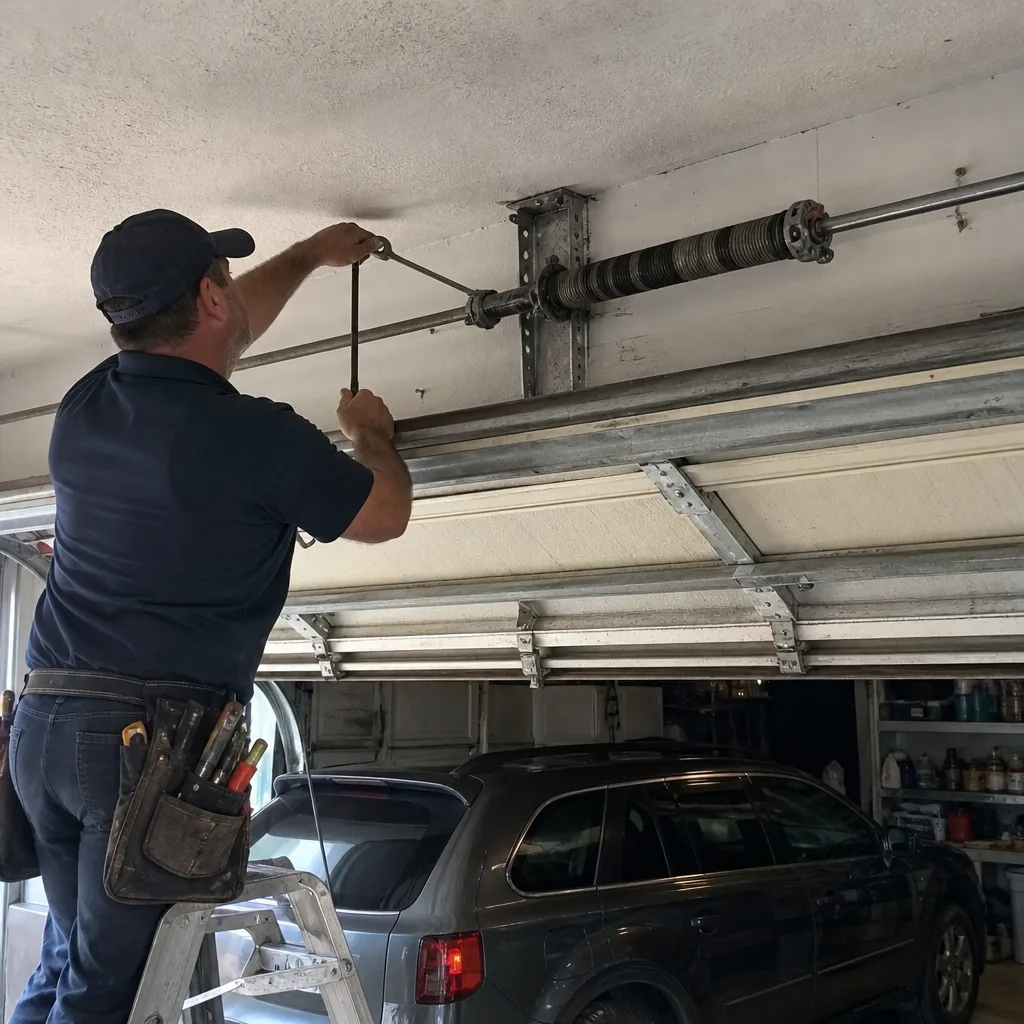
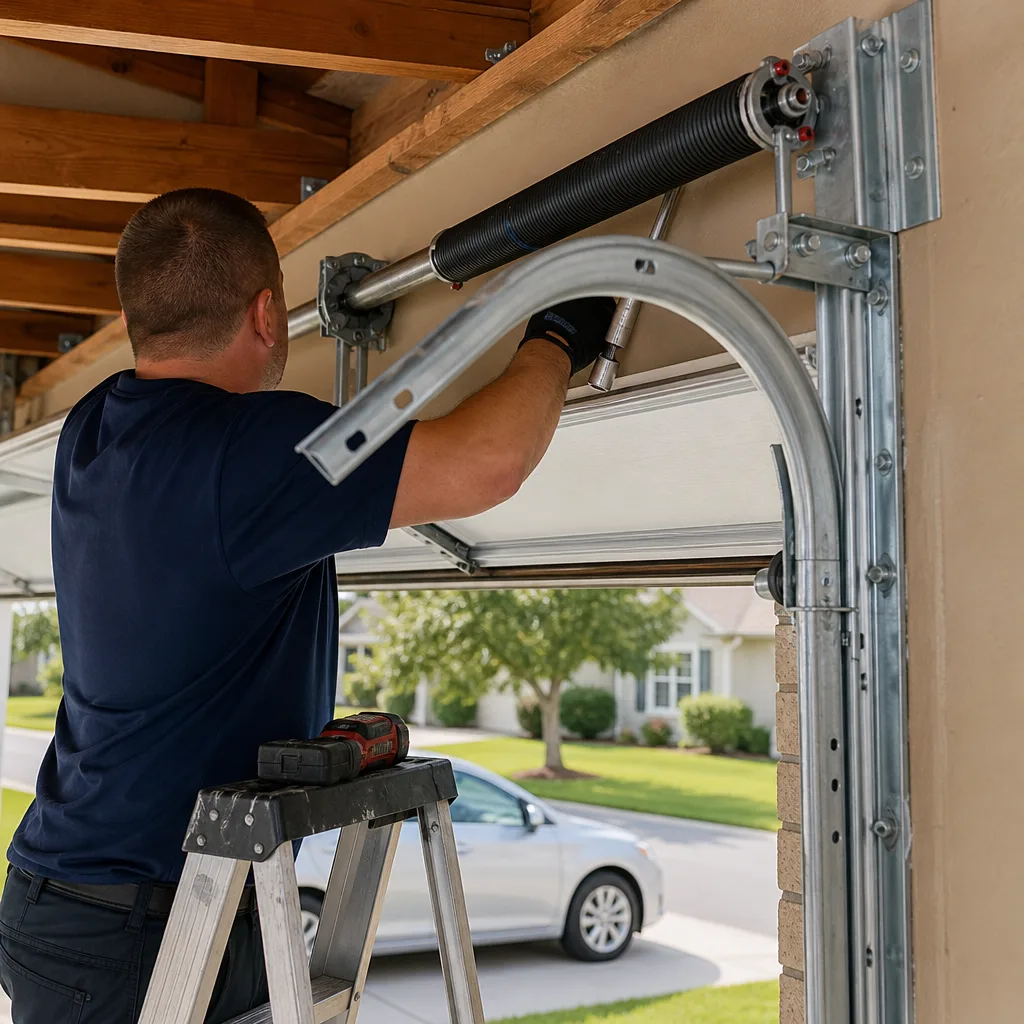
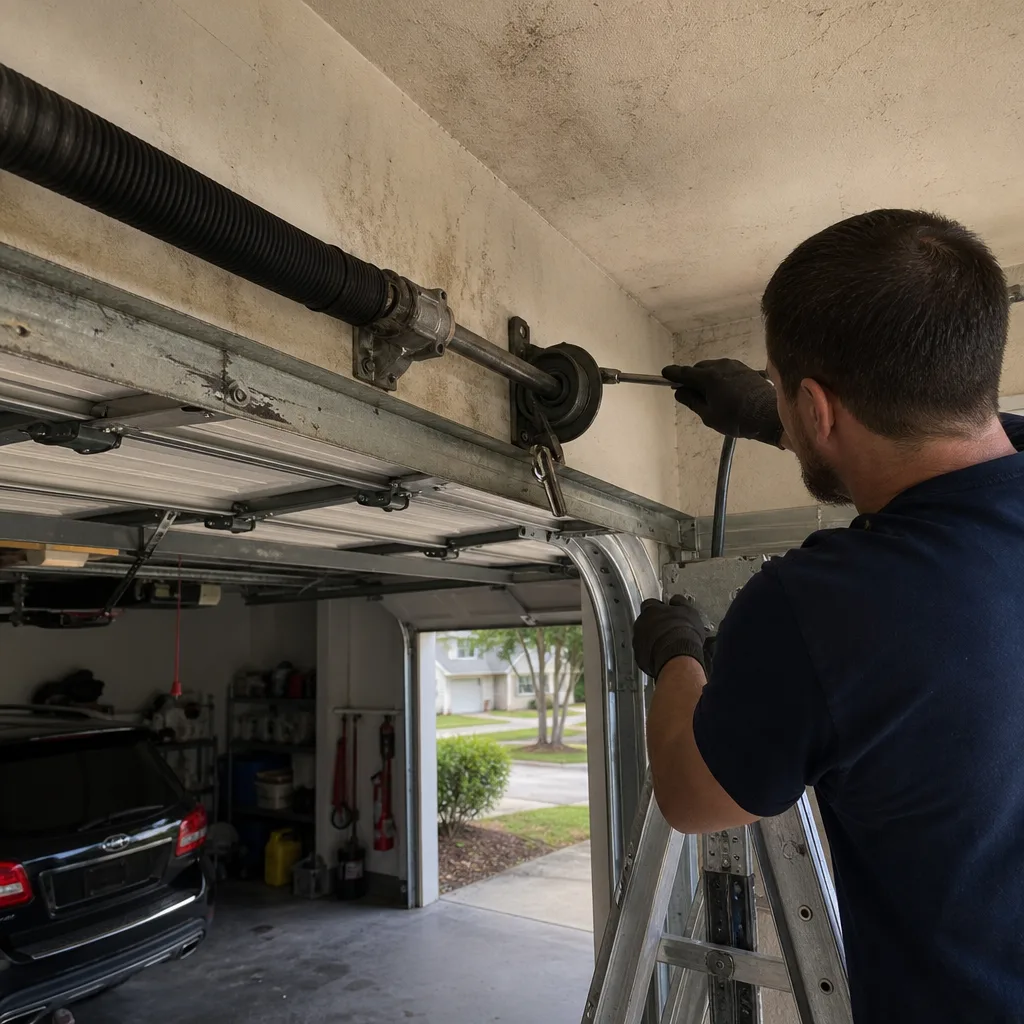
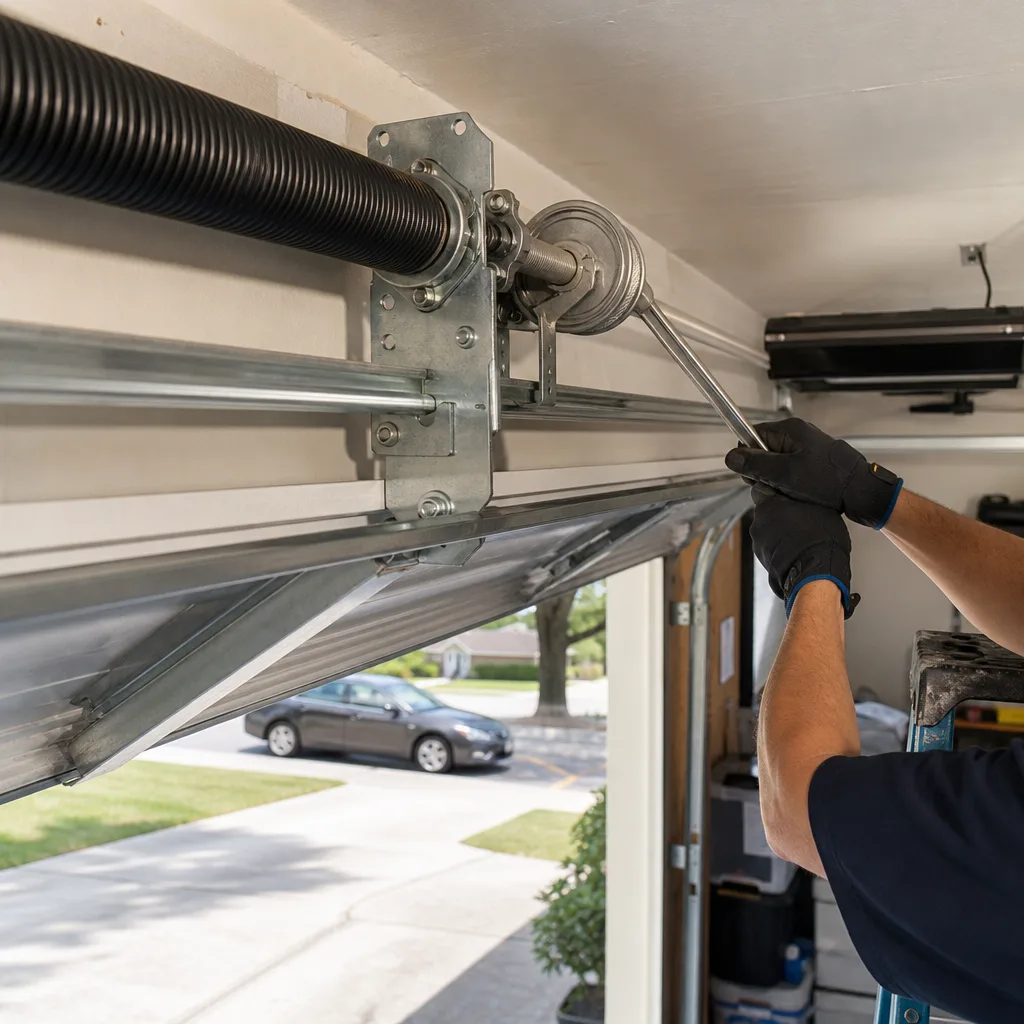
- Inspect the springs visually. Look for gaps in the coil, rust buildup, or any sign of separation. Torsion springs on a Kissimmee garage door typically last 7-10 years, but humidity and temperature swings can shorten that lifespan.
- Check all rollers and hinges. Rollers should be round, not oval or chipped. Hinges should sit flush against the door sections. Any wobble or grinding sound when the door moves is a warning sign.
- Examine the tracks. Run your hand along both vertical and horizontal tracks (with the door closed). Look for bends, loose mounting brackets, or gaps between the track and the wall.
- Test the auto-reverse safety feature. Place a 2×4 flat on the ground under the door’s path and close the door. It should reverse within 2 seconds of contact. Since 1993, federal law has required this feature, but older openers in Kissimmee homes may need adjustment.
- Tighten all hardware. Florida’s daily temperature swings cause metal to expand and contract, which loosens bolts over time. A socket wrench and 20 minutes can prevent a major failure during a storm.
We’ve seen doors in the Kissimmee area fail during moderate storms simply because a single hinge bolt had worked its way loose over the previous year. The pre-season inspection is preventive, not paranoid. If you find issues with springs, cables, or track alignment, call Kissimmee Garage Door Service home before June 1.
Summer Heat and Your Opener: Protecting Circuit Boards and Motors
Kissimmee garages regularly hit 110 to 120 degrees Fahrenheit in July and August, and that heat does more damage to your opener than most people realize. The circuit board inside your opener is the brain of the system, and sustained high temperatures shorten its lifespan significantly. Heat causes solder joints to expand and contract, capacitors to degrade, and plastic housings to warp. The motor itself is more heat-tolerant, but the electronics are not.
Here’s what you can do to extend your opener’s life through a Florida summer:
- Ventilate the garage. If you have a gable vent or a small exhaust fan, use it. Even a 10-degree reduction in garage temperature can add years to a circuit board’s life.
- Check the opener’s internal fan (if equipped). Most modern openers from LiftMaster, Chamberlain, and Genie include a small cooling fan. If yours is clogged with dust or has stopped spinning, the motor will overheat and trip its thermal overload switch.
- Keep the opener’s housing clean. Dust and debris act as insulation, trapping heat. Wipe down the exterior housing monthly with a dry cloth, and use compressed air to clear the vents.
- Consider a smart opener with temperature monitoring. Some newer models, particularly from LiftMaster and Chamberlain, include diagnostic features that alert you when the motor is running hot. If you’re in the market for an installation, ask about these options.
- Don’t run the opener repeatedly in short bursts. Each cycle generates heat, and consecutive cycles compound it. If you’re going in and out of the garage throughout the day, leave the door open for a few minutes between operations when practical.
If your opener has started acting erratically during the summer months – opening halfway, reversing for no reason, or refusing to respond to remotes – the circuit board is often the culprit. That’s a repair we handle regularly as an opener specialty, not an afterthought. For Garage Door Opener Repair in Taft and the surrounding Kissimmee area, it’s worth having the board tested before assuming you need a full replacement.
Dry Season Damage: Why Weatherstripping Cracks in Winter
Most people assume winter is the mild season for garage doors in Kissimmee. The temperatures are pleasant, the humidity drops, and the door gets a break from heat stress. That’s true for mechanical components, but it’s actually the worst time of year for your weatherstripping and bottom seal. Here’s why: those rubber and vinyl components rely on humidity to stay flexible. When Central Florida’s dry season runs from November through April, relative humidity drops sharply, and the material loses its moisture content. The result is shrinkage, cracking, and gaps that let dust, pests, and hot air into your garage.
Signs your weatherstripping is failing during the dry season:
- Visible cracks along the bottom seal. Run your fingers along the rubber strip at the base of the door. If it feels brittle or shows hairline cracks, it’s time to replace it.
- Daylight showing under the closed door. With the door closed, check for light seeping under the bottom edge. Even a quarter-inch gap is enough to let in insects, dust, and warm air.
- Side weatherstripping pulling away from the frame. The strips along the sides of the door should sit flush against the door panels. Shrinkage creates gaps that invite lizards and spiders – both common in Kissimmee garages.
- An increase in your electric bill. A compromised bottom seal turns your garage into a heat sink, which forces your home’s HVAC system to work harder if the garage is attached.
Replacing a bottom seal on a Clopay, Amarr, or Wayne Dalton door is straightforward for a technician, and the materials are inexpensive. The dry season is also a good time to apply a silicone-based lubricant to the weatherstripping itself, which helps it retain flexibility until the humidity returns in spring. For full door service including seal replacement, Garage Door Installation in Taft covers the whole lifecycle.
The Emergency Release Cord: How to Test It Before You Need It
The emergency release cord is the red handle hanging from your opener’s rail. Its job is simple: it disconnects the door from the opener so you can operate the door manually when the power is out. During a hurricane, when Kissimmee loses power for days, that cord is the difference between getting your car out and being stuck. But here’s the problem most homeowners discover at the worst possible moment: if the release mechanism hasn’t been tested in years, it may not work when you need it.
Here’s how to test it safely:
- Start with the door closed. Never test the release cord with the door open. A disconnected door in the raised position can slam down with enough force to injure someone or damage the door.
- Pull the red cord firmly downward and toward the door. You should feel a click as the carriage disengages from the opener’s chain or belt drive.
- Manually lift the door. It should move smoothly with moderate effort. If it’s extremely heavy or won’t stay up at the halfway point, your springs are failing.
- Lower the door manually. Keep your hands clear of the track and use the handle if your door has one.
- Re-engage the opener. Pull the cord again toward the door, then run the opener once. The carriage should re-connect automatically.
If the cord is stiff, frayed, or the release mechanism doesn’t click cleanly, have it inspected. This is a safety component, and a failed release during a post-storm power outage turns a minor inconvenience into a major problem. We service opener systems from LiftMaster, Chamberlain, Genie, Craftsman, and Raynor, so whatever brand you own, the parts and expertise are available.
Post-Storm Inspection: Assessing Damage Before You Operate the Door
After a significant wind event in Kissimmee, your first instinct might be to open the garage door and check on the neighborhood. Resist that instinct until you’ve done a visual inspection. A door that took a direct hit from wind-blown debris may have bent tracks, shifted panels, or damaged cables. Operating it could cause the door to come off its tracks entirely, which is dangerous and expensive.
Here’s the post-storm inspection sequence, in order:
- Look at the door from the outside first. Check for visible panel damage, dents, or debris stuck in the door’s surface or tracks.
- Inspect the tracks from the inside. Look for any gap where the track pulls away from the wall, any visible bend, or any debris lodged between the roller and the track.
- Check the cables. The lift cables on either side of the door should be taut and seated in their drums. A slack or frayed cable is a critical failure waiting to happen.
- Look at the springs. If a torsion spring has broken, you’ll see a visible gap in the coil. Do not attempt to open the door – the spring is under enormous tension.
- Listen as you open it manually. If the visual inspection passes, pull the release cord and open the door by hand. Grinding, scraping, or resistance means something is misaligned.
If anything looks wrong, leave the door closed and call for service. A door that comes off its tracks can fall, and a spring or cable under tension is not something to handle without training. Our technicians see post-storm damage regularly in Kissimmee, and the repair cost is almost always lower when the door hasn’t been forced open first. For repair service in the area, Garage Door Repair in Taft is available.
Monthly Maintenance Routine That Takes 15 Minutes
Between the seasonal priorities, a simple monthly routine will catch most problems before they turn into repair calls. This is the routine we recommend to Kissimmee homeowners who want to minimize surprises:
- Listen to the door run a full cycle. Stand inside the garage and open, then close the door. A healthy door is smooth and relatively quiet. Grinding, squealing, or rattling tells you where to look next.
- Lubricate moving parts. Use a garage door-specific lubricant (not WD-40) on rollers, hinges, and the torsion spring. Do this every 2-3 months, not monthly, to avoid buildup.
- Inspect the cables. Look at both lift cables for fraying, especially near the bottom bracket where they attach to the door.
- Check the photo-eye sensors. Make sure they’re aligned and clean. A misaligned sensor causes the door to reverse for no apparent reason.
- Test the auto-reverse. This takes 30 seconds and confirms a critical safety feature still works.
- Wipe down the opener exterior. Remove dust from the housing and vents to help with heat dissipation during hot months.
These checks don’t require special tools or expertise. What they do require is consistency. A door that gets 15 minutes of attention every month will typically outlast one that gets ignored until something breaks. For anything beyond basic lubrication and visual checks – spring work, cable replacement, opener diagnostics – Kissimmee Garage Door Service home is the single call that covers repair, opener service, and new installation.
Common Mistakes to Avoid
- Using WD-40 on garage door parts. WD-40 is a solvent and degreaser, not a lubricant. It temporarily quiets a squeak, then dries out the part and attracts dust. Use a silicone or lithium-based garage door lubricant instead.
- Replacing only one spring. Garage doors use two springs, and they wear at the same rate. If one breaks, the other is close behind. Replacing only one means paying for labor twice when the second fails within months.
- Waiting until a hurricane warning to test the manual release. The time to discover your release cord is stuck is not during a power outage with the storm approaching. Test it quarterly, starting in May.
- Ignoring a door that’s slightly off balance. A door that drifts when released at the halfway point is telling you the springs are failing. Ignoring it puts extra strain on the opener motor and risks a sudden spring break.
- Painting over weatherstripping. Paint makes rubber and vinyl weatherstripping brittle and accelerates cracking. If you’re repainting your garage exterior in Kissimmee, mask off or remove the weatherstripping first.
- Attempting DIY torsion spring replacement. Torsion springs hold enough tension to cause serious injury or death if mishandled. This is not a YouTube tutorial situation. Call a technician who works with these components daily.
- Running the opener repeatedly during peak summer heat. Each cycle adds heat to the motor. If you’re working in and out of the garage all afternoon, give the opener a break between cycles.
When to Call a Professional
Some tasks are homeowner territory: lubricating rollers, cleaning sensors, testing the auto-reverse. Others are not. A broken torsion spring, a frayed cable, a bent track, or an opener circuit board failure all require training and specialized tools. The risks of DIY spring work in particular are severe – these springs hold hundreds of pounds of tension, and a mistake can cause catastrophic injury. If your door is off balance, making grinding sounds, or won’t respond to the opener, that’s the point to step back. Kissimmee Garage Door Service offers free estimates in Kissimmee – call (844) 662-1429 and we’ll assess what’s wrong, brand-specific, before any work is agreed.
Frequently Asked Questions
You should perform basic monthly checks (lubrication, visual inspection, auto-reverse test) yourself, and schedule a professional inspection once a year, ideally in May before hurricane season begins. Florida’s climate accelerates wear on springs and weatherstripping, so annual professional attention catches problems before they become emergencies.
In our experience, torsion spring failure is the most common major repair, and Florida’s heat and humidity are contributing factors. Springs are rated for a certain number of cycles, but corrosion from humidity and temperature stress can reduce their effective lifespan to 7-8 years in Kissimmee compared to 10-12 in drier climates.
Yes, testing the emergency release cord is safe when done correctly: door closed, pull the red cord firmly, lift manually, lower manually, then re-engage. Test it at least twice a year, including once in May before hurricane season.
Basic visual inspections are often included with a service call, and estimates are free. If repairs are needed, the price is quoted and agreed before any work starts. Call (844) 662-1429 for an exact quote.
Yes, sustained garage temperatures above 110 degrees Fahrenheit shorten the life of opener circuit boards and capacitors. Good ventilation, clean opener housing, and avoiding repetitive operation during peak heat all help. Modern openers from LiftMaster and Chamberlain handle heat better than older models, but no circuit board is immune to a Kissimmee summer.
If your door is more than 15 years old, shows panel damage, or doesn’t balance properly, replacement before June is smarter than waiting for a failure during a storm. New doors rated for wind load (including models from Amarr, Wayne Dalton, and Raynor) provide real structural protection; learn more in Choosing the Right Garage Door Brand: A Buyer’s Guide for Kissimmee. A free consultation is available by calling (844) 662-1429.
The Bottom Line
Kissimmee garage doors don’t follow the four-season maintenance calendar that national guides assume. The work that matters here is front-loaded into May, sustained through the summer heat, and punctuated by post-storm checks. Test your emergency release before June 1. Keep your weatherstripping conditioned through the dry season. Lubricate monthly, inspect annually, and know when a problem is beyond homeowner scope. If your door is off balance, your opener is acting up, or you’re unsure about storm readiness, one call covers it – repair, opener, or new installation. Call (844) 662-1429 for a free estimate, and we’ll make sure your garage door is ready for whatever Kissimmee’s weather sends next. Explore more guides & resources on our blog.
Written by the team at Kissimmee Garage Door Service, serving Kissimmee since 2011.
See the difference
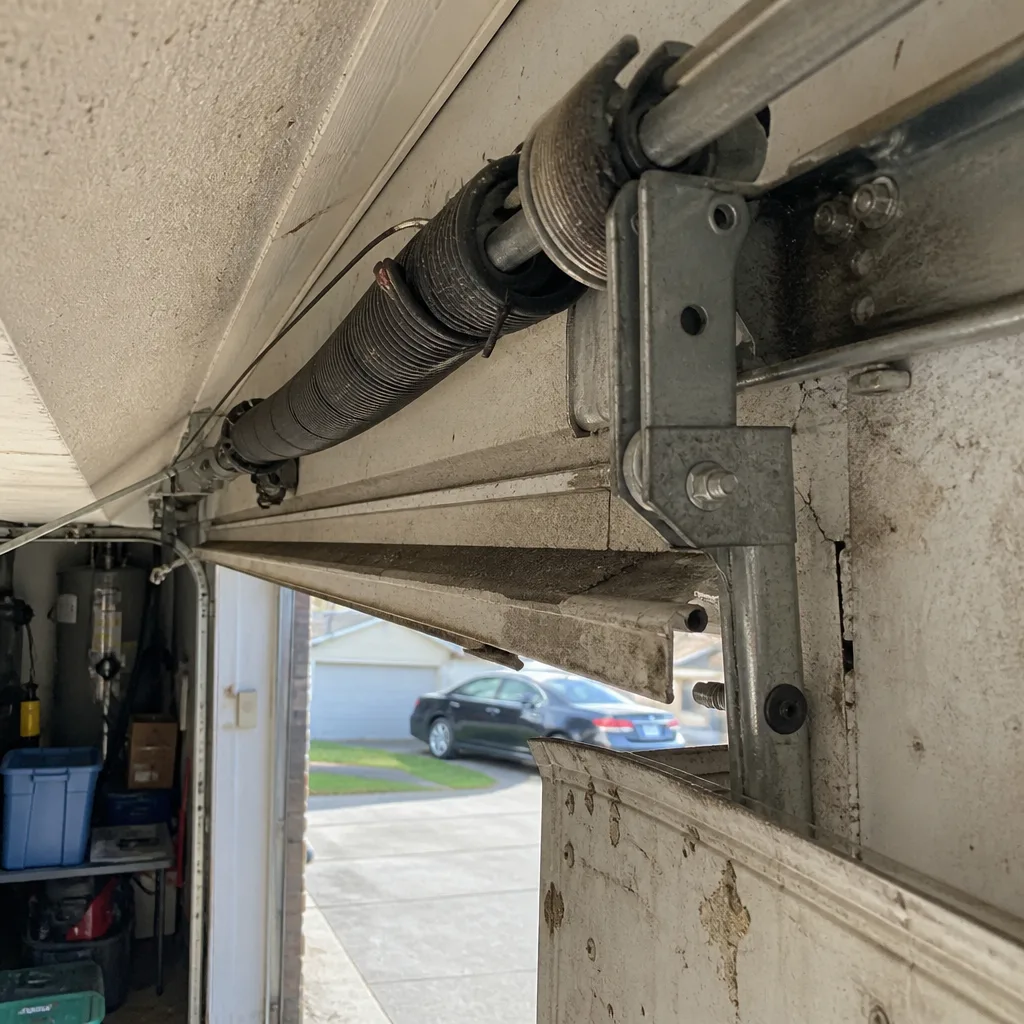 Before
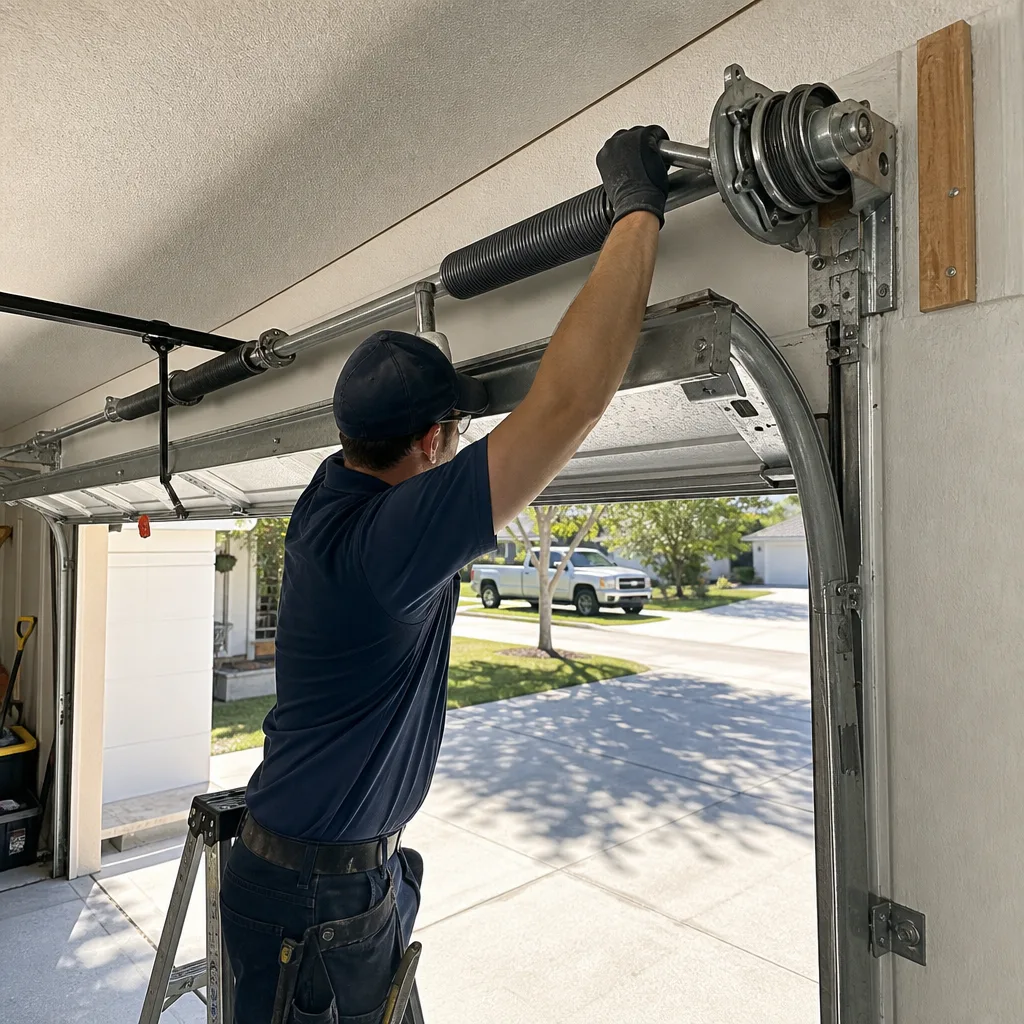 After
 Before
 After
 Before
 After