
Last updated October 31, 2026
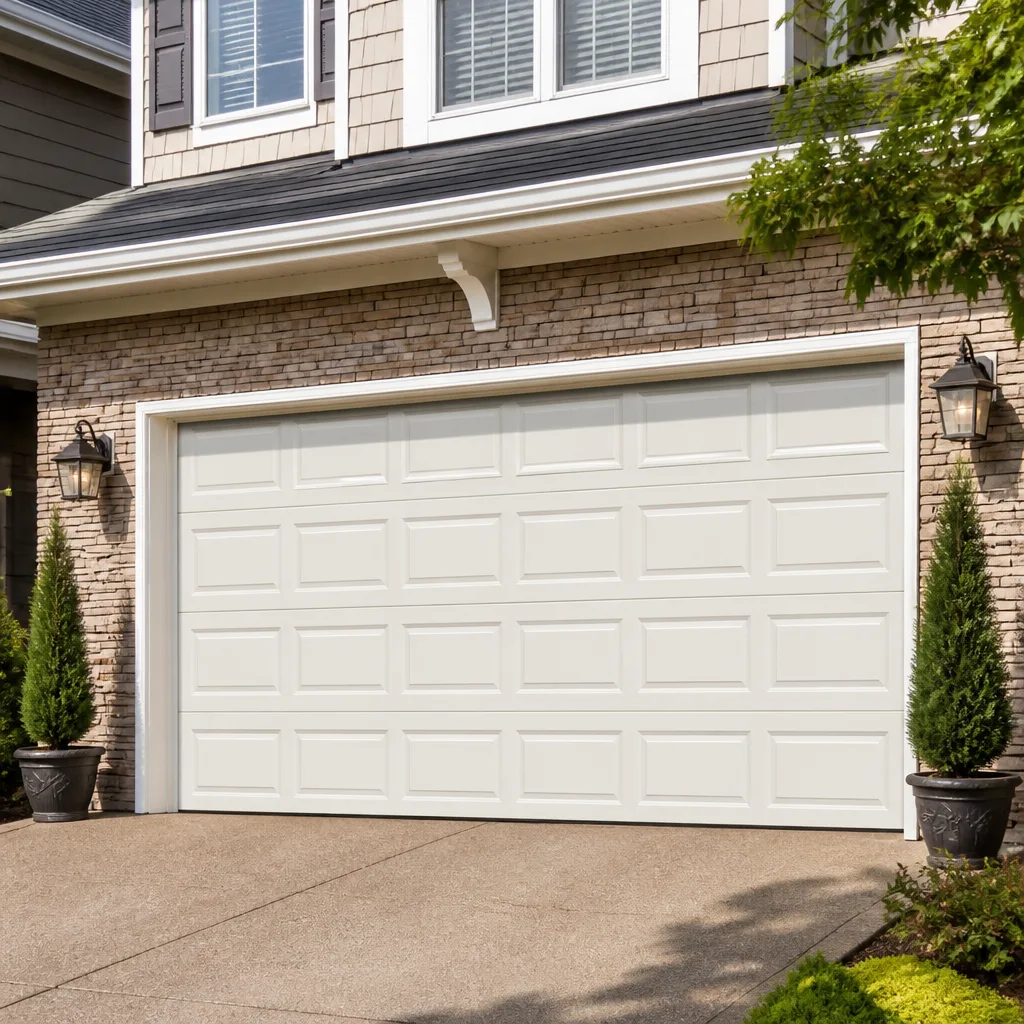 Raised-panel steel
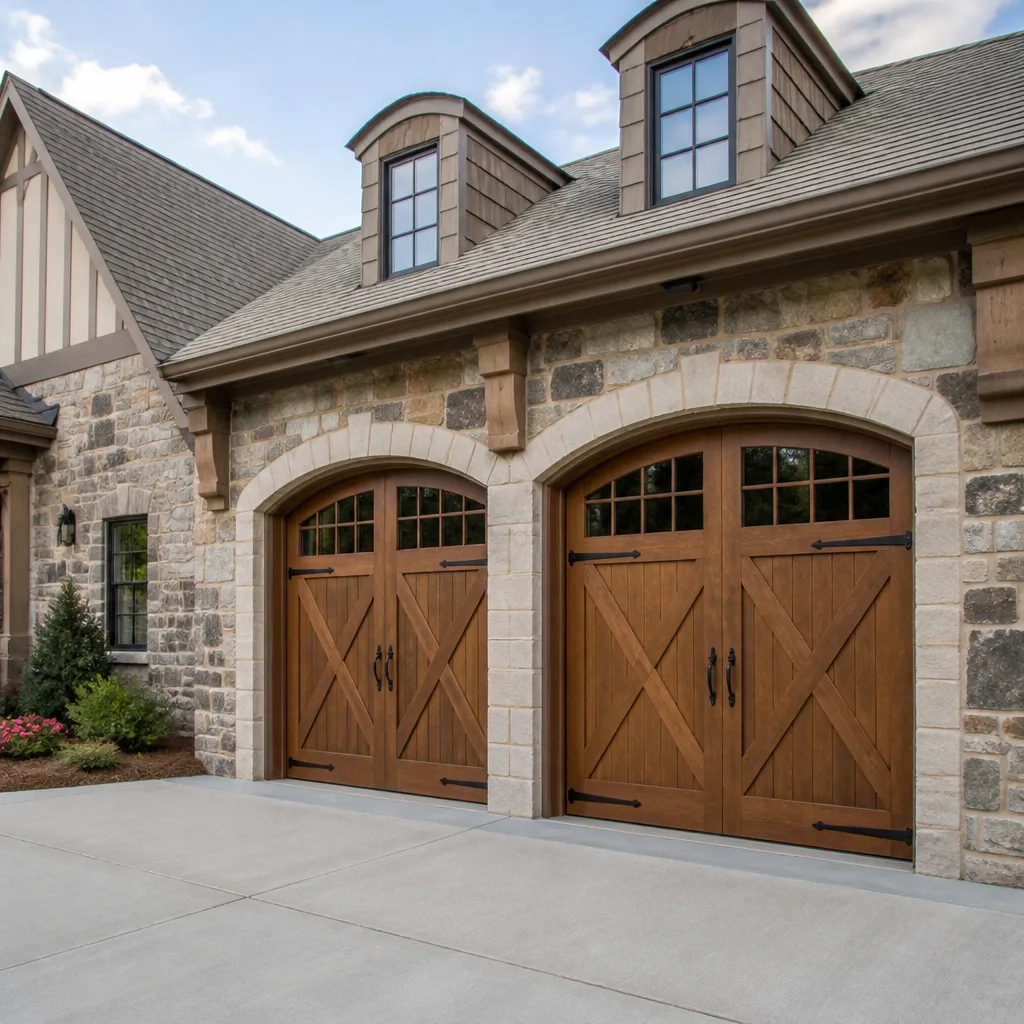 Carriage house
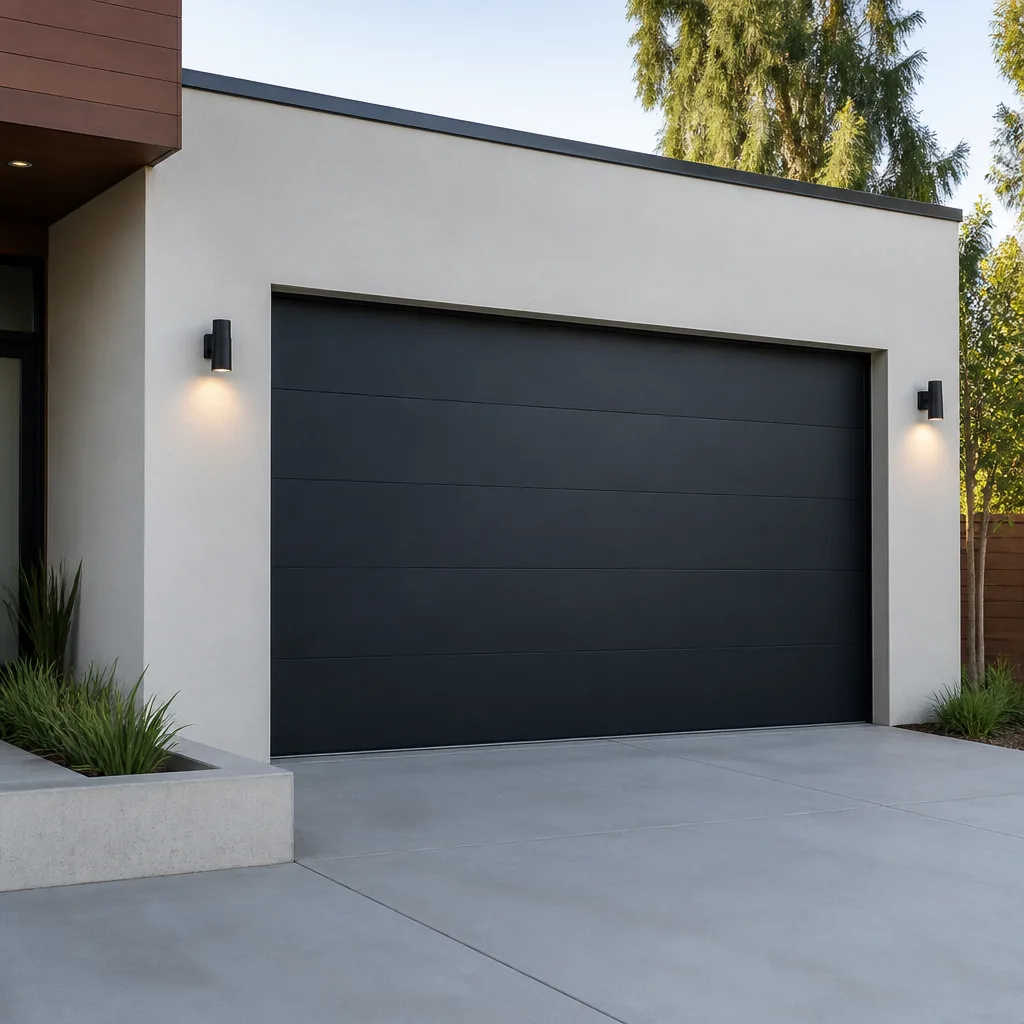 Modern flush
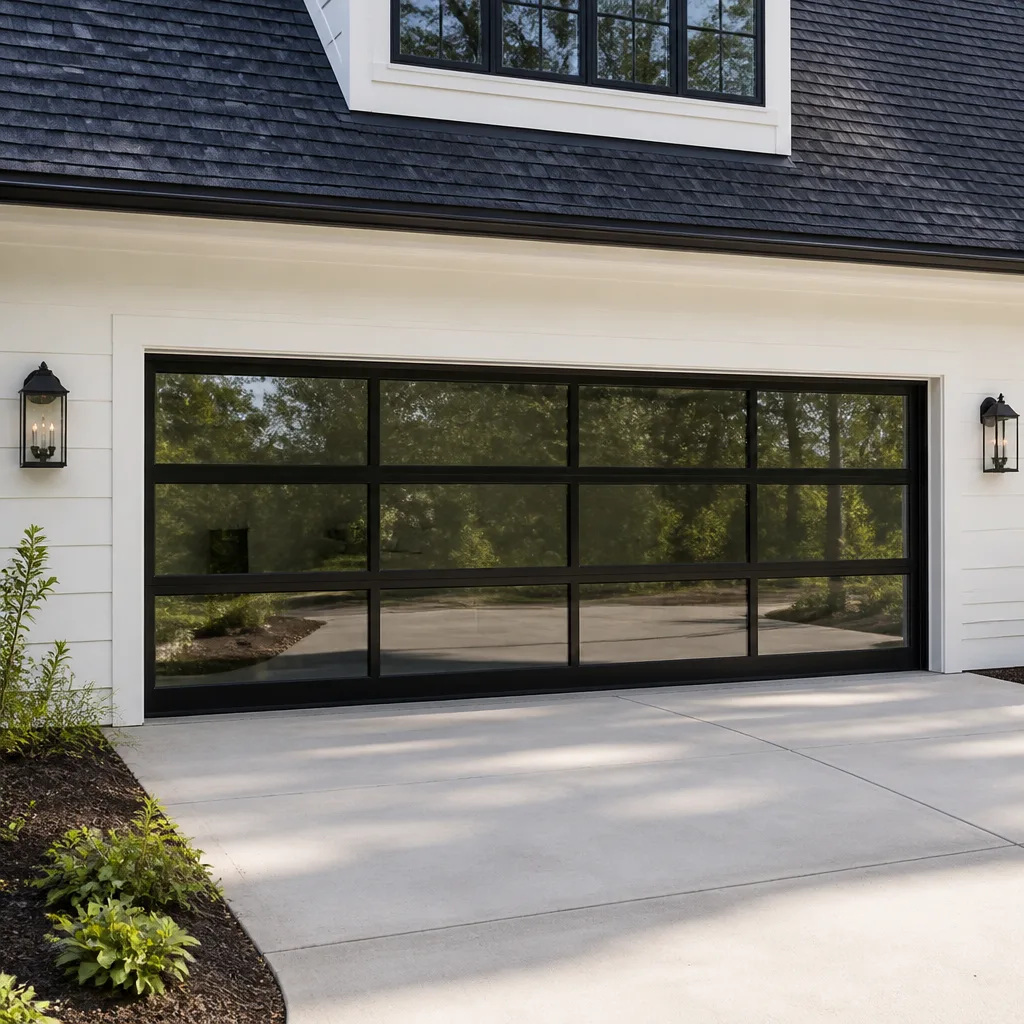 Full-view glass
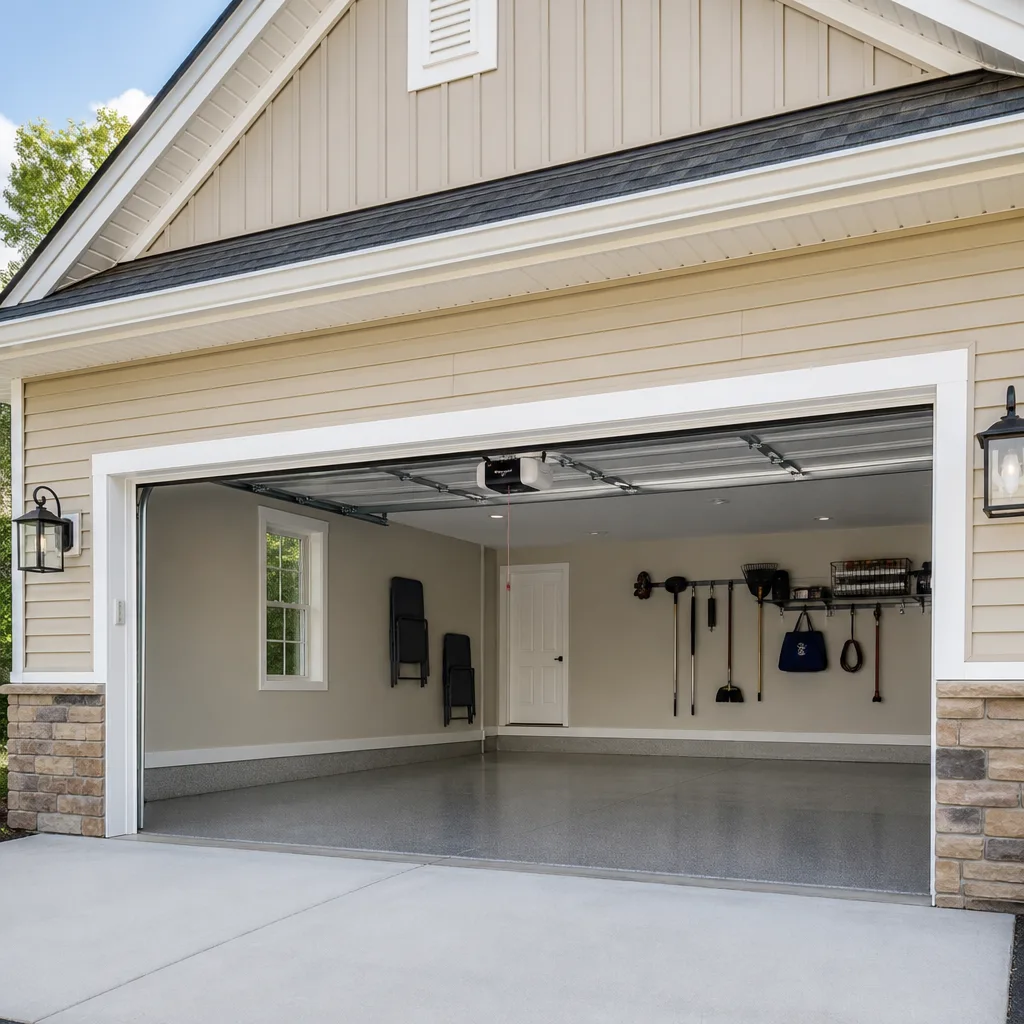 LiftMaster openers
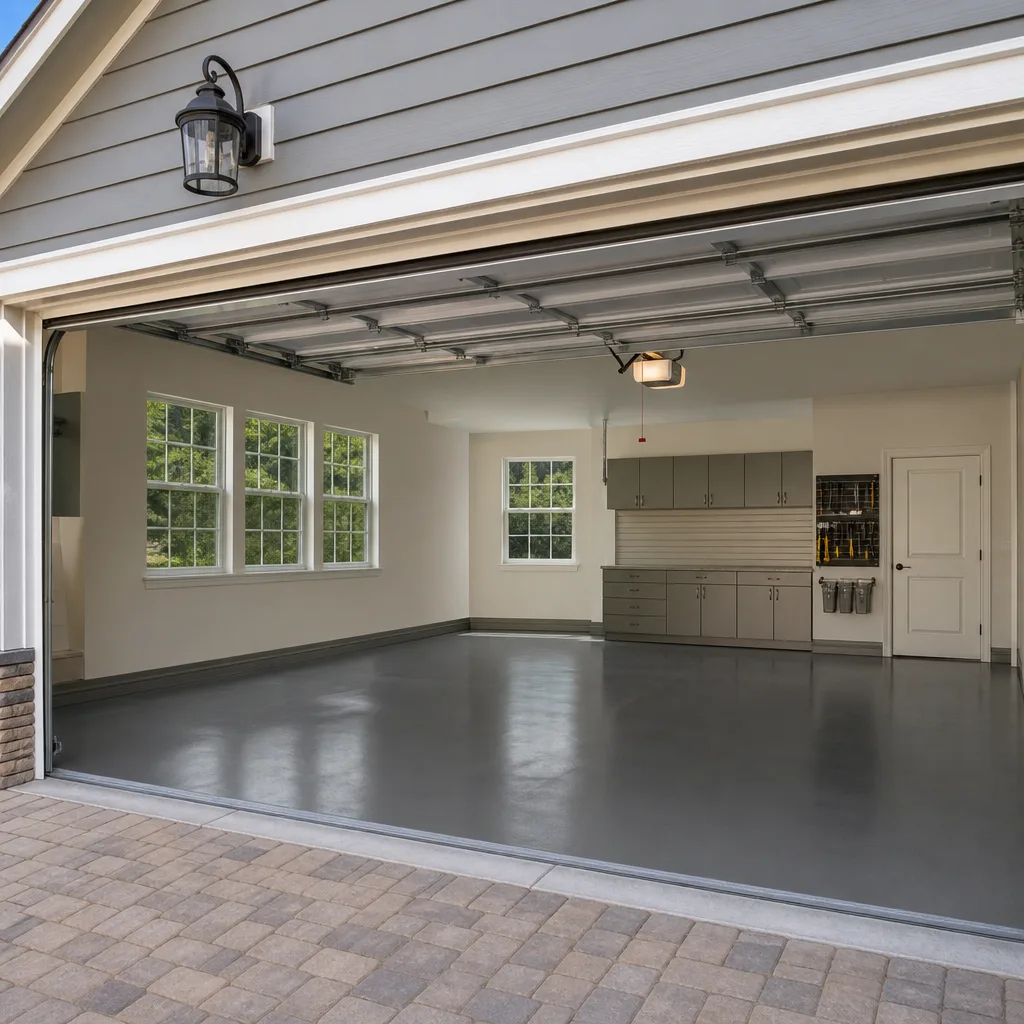 Chamberlain openers
Full 25-point door and opener safety check with every visit - springs, cables, rollers, tracks, and your LiftMaster or Chamberlain opener included
You get a price before we start. It does not change when the truck arrives.
Get your free estimateGarage Door Warning Signs: A Kissimmee Homeowner’s Reference Guide
Most Kissimmee homeowners don’t get a loud, obvious announcement when their garage door starts failing. They get a half-second hesitation. A soft grinding noise that comes and goes. A door that sits slightly crooked but still opens fine. Here’s the uncomfortable truth we see every week in neighborhoods from Poinciana to Celebration: by the time a garage door failure is obvious, the repair bill has usually doubled. The spring that snapped on Tuesday was sending signals for two months. The opener motor that burned out in July was overheating since March. This guide covers the ambiguous early warning signs local homeowners routinely explain away, what each one actually means mechanically, and which ones demand same-day attention. For more guides & resources, visit our blog.
Styles & brands we work with
Quick Answer
The most common garage door warning signs in Kissimmee are a door that hesitates before moving, grinding or straining sounds during operation, a visible gap under one side of the closed door, and an opener that runs but struggles in afternoon heat. Each of these points to a specific mechanical cause: a spring losing tension, track corrosion from Florida humidity, cable wear, or a heat-stressed motor. Most of these problems cost under $300 to fix if caught early, and $500 to $1,200 if ignored until failure.
Table of Contents
- The Hesitation Signal: When a ‘Slow’ Door Means a Failing Spring
- Sound Diagnostics: Grinding, Squealing, and Rattling in Kissimmee’s Humidity
- The Uneven Gap: Structural Problem or Just Weatherstrip?
- Heat-Stressed Openers: A Central Florida Specific Problem
- The Two-by-Four Test: Verifying Your Safety Reversal
- Cable Fray and Track Corrosion: Visual Checks That Catch Failure Early
- Opener Warning Signs Homeowners Miss
- Common Mistakes to Avoid
- When to Call a Professional
- Frequently Asked Questions
- The Bottom Line
The Hesitation Signal: When a ‘Slow’ Door Means a Failing Spring
A garage door that pauses for a beat before moving upward is one of the most commonly ignored warning signs in Kissimmee. Homeowners describe it as the door “thinking about it” or “being quirky.” It isn’t quirky. That hesitation happens because the torsion spring has lost enough tension that the opener is now doing work the spring used to do. The opener’s force settings are compensating. That compensation is finite, and when the spring finally gives out completely, the opener is often damaged in the process.
How do you tell the difference between a door that’s slow because of opener force settings and one that’s slow because of a failing spring? Listen and watch:
- Spring failure pattern: The door moves unevenly at first, hesitates at the bottom, then lurches upward once the opener overcomes initial resistance. You may hear a soft “pop” or “creak” from above the door as the spring coils shift under load.
- Opener force setting pattern: The door moves at a consistent speed throughout the entire cycle, just slower than it used to. No lurching, no hesitation specific to the bottom position.
- Manual test: Pull the emergency release cord and lift the door by hand. A properly balanced door stays in place at the halfway point. A door with a failing spring will feel heavy and will drift downward on its own.
We service torsion and extension spring systems on every major residential door brand, including Clopay, Amarr, and Wayne Dalton. The spring is the highest-wear component on any garage door system. In Kissimmee’s climate, springs on doors used three to four times daily typically last five to seven years. If your door is over five years old and you notice that hesitation, you’re likely in the warning window. Replacing a spring before it snaps costs roughly $150 to $350. Replacing a spring after it snaps and damages the opener drive gear or cable drums often runs $500 to $1,200. The Kissimmee Garage Door Service home page covers our full spring replacement process if you want to know what a repair actually involves.
Sound Diagnostics: Grinding, Squealing, and Rattling in Kissimmee’s Humidity
Florida humidity changes how garage door problems sound. That’s not a nuance; it’s a diagnostic fact. Metal components in Kissimmee garages are exposed to 70 to 90 percent humidity for months at a time. That constant moisture accelerates two distinct types of wear, and they sound different.
Squealing or high-pitched metal-on-metal sound almost always means dry rollers or dry hinges. The bearings in roller wheels lose lubrication faster in humid, salty air, especially if you live within a few miles of the coast or near any of the Kissimmee chain of lakes. This is the easiest problem to address: rollers typically cost $15 to $40 per door to lubricate properly, or $80 to $200 to replace all rollers if they’ve worn flat. Wayne Dalton and Amarr doors both use nylon-bushed rollers on their mid and upper tier models, and those bushings eventually crack and grind.
Grinding or a growl from the opener motor area is different and more serious. It usually means the drive gear inside the opener has stripped or is stripping. LiftMaster and Chamberlain openers, the two most common smart-opener platforms in Kissimmee homes, use a plastic drive gear that is designed to be a sacrificial part. In a non-climate-controlled Florida garage, interior temperatures routinely exceed 100 degrees, and that heat softens the gear over time. If you’re hearing a grind from the opener head, run the door manually once to confirm the door itself moves smoothly. If the door is fine manually but the opener grinds under load, you’ve found the gear. That’s a dedicated opener repair, not a door repair, and it’s exactly the kind of distinction that gets missed when someone calls a general handyman instead of a garage door specialist. See our guide on How to Hire a Garage Door Contractor in Kissimmee: A Step-by-Step Guide to avoid this common mistake.
The Uneven Gap: Structural Problem or Just Weatherstrip?
Look at your closed garage door from inside the garage, at floor level. If you see daylight under one corner but not the other, you have an uneven gap, and it means one of three things. Figuring out which one matters, because two of the three are structural.
- Worn or compressed weatherstrip. If the door is level and the gap is consistent with a flattened rubber strip along the bottom, this is a $30 to $60 fix. Kissimmee’s heat bakes the rubber weatherstrip over time, and it compresses unevenly if the door sits closed for long periods in the sun-exposed side of the garage. Replacement weatherstrip is a standard item.
- Uneven cable wear. The lifting cables on each side of the door stretch at slightly different rates. If one cable has stretched, the door hangs slightly crooked. You’ll see the gap appear gradually over weeks, not all at once. This is an early cable warning sign, and it should be addressed before the stretched cable frays. Cable replacement runs roughly $125 to $250.
- Settled or shifted track. If the gap appeared quickly, or if the door binds slightly on one side during travel, the track has likely shifted. This can happen from a minor impact, or simply from years of vibration loosening the track bolts. A shifted track puts extra load on rollers and cables, which accelerates wear throughout the system.
How do you tell the difference? Place a level on the top section of the closed door. If the panel itself is level but the floor gap isn’t, it’s weatherstrip. If the panel is not level, the problem is cable or track. In our experience across Kissimmee, homeowners wait the longest on this warning sign, because “the door still opens fine.” Until it doesn’t. A cable that snaps while the door is open drops hundreds of pounds of panel weight onto whatever is below it. For homes in the Taft area and surrounding Kissimmee neighborhoods, we regularly see this exact failure pattern play out.
Heat-Stressed Openers: A Central Florida Specific Problem
Kissimmee garages are some of the hottest spaces in any Florida home. Most are uninsulated, unventilated, and face west or south. Interior garage temperatures from May through September routinely hit 105 to 115 degrees. Garage door opener motors are rated for operating temperatures up to roughly 120 degrees, which means the margin is thin. Our Seasonal Garage Door Care for Kissimmee: Year-Round Homeowner’s Guide has tips for managing heat stress.
Heat stress on openers shows up in specific, repeatable ways:
- Opener runs fine in the morning, refuses or struggles in the afternoon. This is the signature pattern for a motor thermal overload. The overload protector trips when the motor gets too hot, then resets once it cools. Homeowners often think this is a remote control problem and replace batteries. It isn’t.
- Opener stops mid-cycle on hot days only. Same root cause as above. The thermal cutoff engages, the door stops halfway, and the homeowner has to wait. In Kissimmee, this most often happens on west-facing garages between 2 and 6 p.m. in summer.
- A buzzing sound with no movement when you press the button. This usually means the start capacitor has failed. Capacitors degrade faster in sustained heat. The motor tries to start, can’t, and the buzz is the capacitor attempting to discharge. This is a repairable opener condition, not necessarily a replacement.
What can be done about it? In some cases, a service call to clean the motor housing and ensure proper ventilation solves the overload issue. In others, the opener has sustained too many thermal cycles and needs either a capacitor replacement, a gear replacement, or a full opener replacement. We carry parts for LiftMaster, Chamberlain, Genie, and Craftsman openers, so the repair usually happens in a single visit. If your opener is ten-plus years old and tripping thermal overload regularly, replacement is likely the better financial decision. New openers with DC motors run significantly cooler and handle Florida heat better than the older AC units. For a closer look at opener-specific failure modes, opener repair in the Taft area and greater Kissimmee is its own specialty, not an add-on.
The Two-by-Four Test: Verifying Your Safety Reversal
Since 1993, federal law has required every residential garage door opener in the United States to include a safety reversal mechanism. This system detects resistance when the door is closing and reverses direction. It’s the feature that prevents the door from crushing a child, a pet, or an object. Here’s the problem: the safety reversal fails quietly. You won’t hear it. You won’t see it. The only way to know your reversal is working is to test it, and almost no one does.
Here’s the two-by-four test, step by step:
- Close the garage door completely.
- Lay a standard two-by-four flat on the ground directly under the center of the door’s path.
- Press the close button and watch.
- The door should contact the two-by-four and reverse within two seconds, returning to the open position.
- If it doesn’t reverse, or if it reverses only after applying significant downward pressure, the reversal force setting is wrong or the system has failed.
In Kissimmee, this test matters more than most places. Why? Because summer heat affects the sensitivity calibration on older openers. A force setting that worked in January may be too high in August as the motor’s output characteristics shift with temperature. If your door fails this test, disconnect the opener and run the door manually until a technician adjusts it. This is a safety issue, not a convenience issue. Every technician we send to a Kissimmee home checks reversal force on every single service call, regardless of what the original appointment was for.
Cable Fray and Track Corrosion: Visual Checks That Catch Failure Early
Two visual inspections, once a quarter, would prevent more garage door failures in Kissimmee than any other habit. Each takes under two minutes. Here’s what to look for and what it means.
Cable fray: Stand inside the garage and look at the steel lift cables that run along each side of the door, from the bottom bracket up to the cable drum above. The cable should look like a clean, uniform strand. If you see individual wires splayed out, or a section that looks fuzzy or burred, that cable is actively failing. Cable fray on residential doors almost always happens near the bottom bracket, because that’s where moisture collects and where the cable flexes on every cycle. In Kissimmee’s humidity, a frayed cable that is ignored will typically snap within two to four months. When it snaps, the door drops unevenly, the panel can bind in the track, and a second cable failure often follows within days as the remaining cable takes double duty. Cable replacement is straightforward when caught early: $125 to $250. Post-snap panel and track repairs run much higher.
Track corrosion: Kissimmee’s humidity creates a specific corrosion pattern on garage door tracks. Mechanical wear from rollers leaves shiny, smooth grooves along the inside of the track. Humidity corrosion looks completely different: it appears as orange-brown or white powdery patches, often speckled, and frequently concentrated near the bottom of the track or at any point where the track is close to an exterior wall. Light surface corrosion is cosmetic and harmless. Pitting corrosion, where the surface feels rough or has visible craters, is a problem. A pitted track accelerates roller wear and can cause the door to bind. Amarr and Clopay doors use galvanized steel tracks, and even galvanization eventually fails in a coastal-humidity environment. If the track is pitted beyond the roller path, replacement of that track section usually costs $100 to $200.
If you’re not sure what you’re looking at, the safe move is to have it checked. A full door installation or track replacement in the greater Kissimmee area is a bigger job than a cable swap, and the earlier you catch the problem, the more options you have.
Opener Warning Signs Homeowners Miss
Garage door openers fail slowly. Most Kissimmee homeowners only call about an opener when it stops working entirely, but in nearly every case, the opener was signaling for weeks or months beforehand. Here are the most commonly missed opener warning signs:
- The opener runs but the door doesn’t move. This usually means the drive gear has stripped or the carriage has disengaged. You’ll hear the motor humming while the door stays put. Continuing to press the button while the door won’t move overheats the motor and can turn a $90 gear repair into a $400 motor replacement.
- Intermittent remote range loss. If your opener works from the street in winter but only works from ten feet away in summer, humidity and heat are affecting the receiver. Before assuming the opener is dying, check that nothing new has been installed near the garage, like a fluorescent light or a Wi-Fi extender, both of which can interfere with the 315 MHz or 390 MHz signal common on LiftMaster and Chamberlain units.
- LED lights flicker or go out when the opener runs. This can point to a failing capacitor or a loose internal connection. It’s easy to dismiss because the door still opens. It’s worth a service call, because the same loose connection that flickers your lights can eventually arc and burn out the logic board.
- The door reverses randomly without hitting anything. This is the safety sensor, not the opener motor. Check alignment of the photo eyes at the bottom of each track first. If they’re aligned and clean, the sensor itself may have failed. Sensors are $30 to $60 for most brands and are a quick swap.
- New grinding noise from a previously quiet opener. Covered in the sounds section, but worth repeating: this is almost never “normal wear.” Openers don’t develop new noises for no reason.
One more thing on opener repair specifically: home warranty companies will often replace an opener with the cheapest available unit. A dedicated opener specialist can usually rebuild your existing LiftMaster, Chamberlain, or Genie unit for less than the warranty company’s service call fee plus deductible, and you keep your existing remotes, wall console, and smart home integration. In Kissimmee, where a large share of homes have smart openers tied into MyQ or similar apps, that integration is worth protecting.
Common Mistakes to Avoid
- Lubricating the wrong parts, or over-lubricating. Garage door springs should not be greased. Grease on torsion springs attracts dirt and grit, which accelerates coil wear. The only components that benefit from lubrication are rollers, hinges, and the opener rail, and even those need a light, silicone-based lubricant, not WD-40.
- Adjusting spring tension without the right tools. Torsion springs are under hundreds of pounds of stored tension. A spring that lets go while someone is winding it with a screwdriver can cause serious injury. This is a trained-professional repair, full stop. In Kissimmee, where many garage doors see heavy daily use, we see the aftermath of DIY spring attempts more often than we’d like.
- Replacing the opener when the spring is the problem. A door that’s getting heavy because of a weakening spring makes the opener work harder. The opener may seem like it’s dying. The fix is a spring replacement, for a fraction of the cost of a new opener.
- Ignoring a dented or buckled track section. A small bend in the track gets worse with every cycle, because the rollers hammer against it. What starts as a $80 track adjustment turns into a $300 track replacement if left alone.
- Testing the safety reversal with a person or a pet. Use the two-by-four method described above. Never stand under a closing door to see if it reverses.
- Buying a new door from a big-box store and hiring a separate installer. This is the single most common path to a bad installation in Kissimmee. Door dealers who sell Clopay, Amarr, Wayne Dalton, and Craftsman doors directly know the installation requirements for each brand and panel type. A box store door installed by a general contractor is a recipe for panel misalignment, load imbalance, and premature spring wear.
- Waiting to fix a stretched cable because “the door still opens.” Cables are load-bearing components. They do not heal, and they do not stabilize. Once a cable has visibly stretched or frayed, it’s on a countdown, not a plateau.
When to Call a Professional
Any of the following conditions warrants a same-day or next-day service call: a snapped spring, a frayed or broken cable, a door that falls or drops when closing, a door that’s off its track, an opener that sparks or smokes, or a safety reversal that fails the two-by-four test. These are conditions where continued cycling of the door is unsafe, and forcing the door to operate can damage additional components. If the door will not move, testing it manually with the release cord is the right first step, and if it won’t move by hand either, the door is likely bound in the track and needs a technician. For anything else covered in this guide, a scheduled appointment within a week is usually reasonable. Kissimmee Garage Door Service offers free estimates in Kissimmee. Call (844) 662-1429 to book a diagnostic visit.
Frequently Asked Questions
Single torsion spring replacement in Kissimmee typically runs $150 to $250, and double spring replacement runs $250 to $400, including parts and labor. Extension spring systems are slightly less. The exact price depends on the door weight, spring wire size, and whether the opener needs force recalibration afterward. Call (844) 662-1429 for a firm quote before any work starts, and we confirm the price with you before turning a single bolt.
A hesitation before opening almost always means the torsion spring has lost tension and the opener is compensating. Run the manual test described above: pull the release cord and lift the door by hand. If it feels heavy or drifts down from the halfway point, the spring is failing. This is the highest-priority warning sign to address, because a snapped spring can damage the opener drive gear in the process.
Yes. Non-climate-controlled Kissimmee garages routinely exceed 105 degrees in summer, and older AC-motor openers tripping thermal overload is a known Central Florida failure pattern. If your opener works in the morning but fails in the afternoon, heat overload is the likely cause. A technician can confirm by testing the opener’s thermal protector and checking for proper ventilation. In some cases, replacement with a DC-motor opener solves it permanently.
Most spring, cable, and opener gear repairs are same-day or next-day, because our trucks carry parts for LiftMaster, Chamberlain, Genie, Clopay, Amarr, Wayne Dalton, Craftsman, and Raynor. The price is quoted and agreed before any work starts, so the number you approve is the number you pay. Call (844) 662-1429 to check current availability.
A garage door that sits visibly crooked when closed is an early warning sign of cable stretch or track shift. Both conditions put uneven load on the spring and the remaining cable. It’s not immediately dangerous in most cases, but it becomes dangerous quickly because the remaining good cable is carrying extra load and will fail sooner. Have it inspected, especially if the gap appeared or worsened in the last few weeks.
Perform the two-by-four test: close the door, lay a two-by-four flat under the center of the door’s path, and press close. The door should contact the board and reverse within two seconds. If it doesn’t reverse, or if it pushes down on the board with significant force before reversing, the safety reversal has failed and the door needs attention. This test should be done at least twice a year, and more often in summer when heat affects opener calibration.
The Bottom Line
Garage door failures in Kissimmee don’t happen suddenly. They happen after weeks or months of quiet signals: a hesitation at the bottom of the cycle, a grinding sound from the opener, a gap that showed up under one corner, an opener that trips off in the afternoon heat. Each of these signals points to a specific, identifiable cause, and most of the underlying repairs cost $150 to $350 when caught early. The expensive failures, the snapped springs that take out opener gears and the stretched cables that drop doors off their tracks, are almost always preventable. Check your door, listen to it, and run the two-by-four test. When something seems off, it probably is. Kissimmee Garage Door Service handles repair, opener repair, and full installation on all eight major brands. Call (844) 662-1429 for a free estimate, and we’ll tell you honestly what needs fixing and what doesn’t.
Written by the team at Kissimmee Garage Door Service, serving Kissimmee since 2011.
See the difference
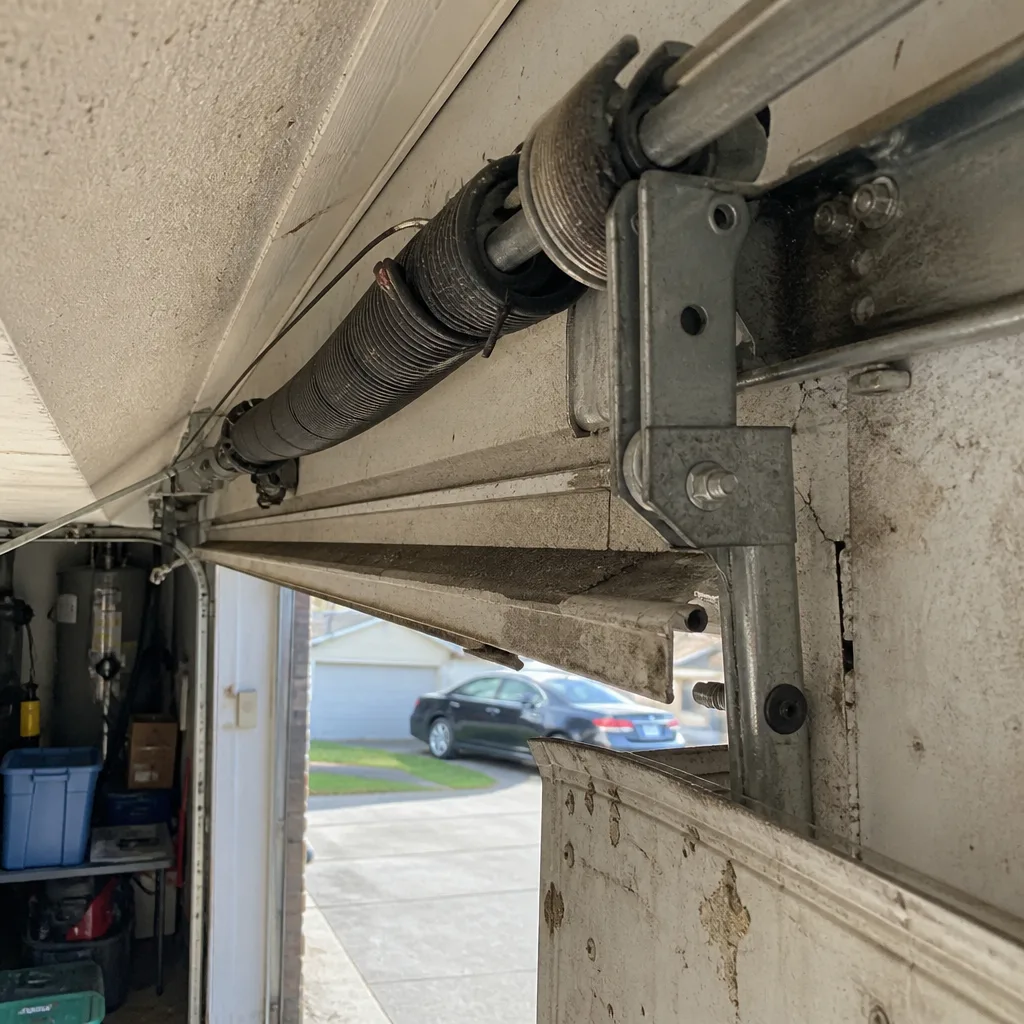 Before
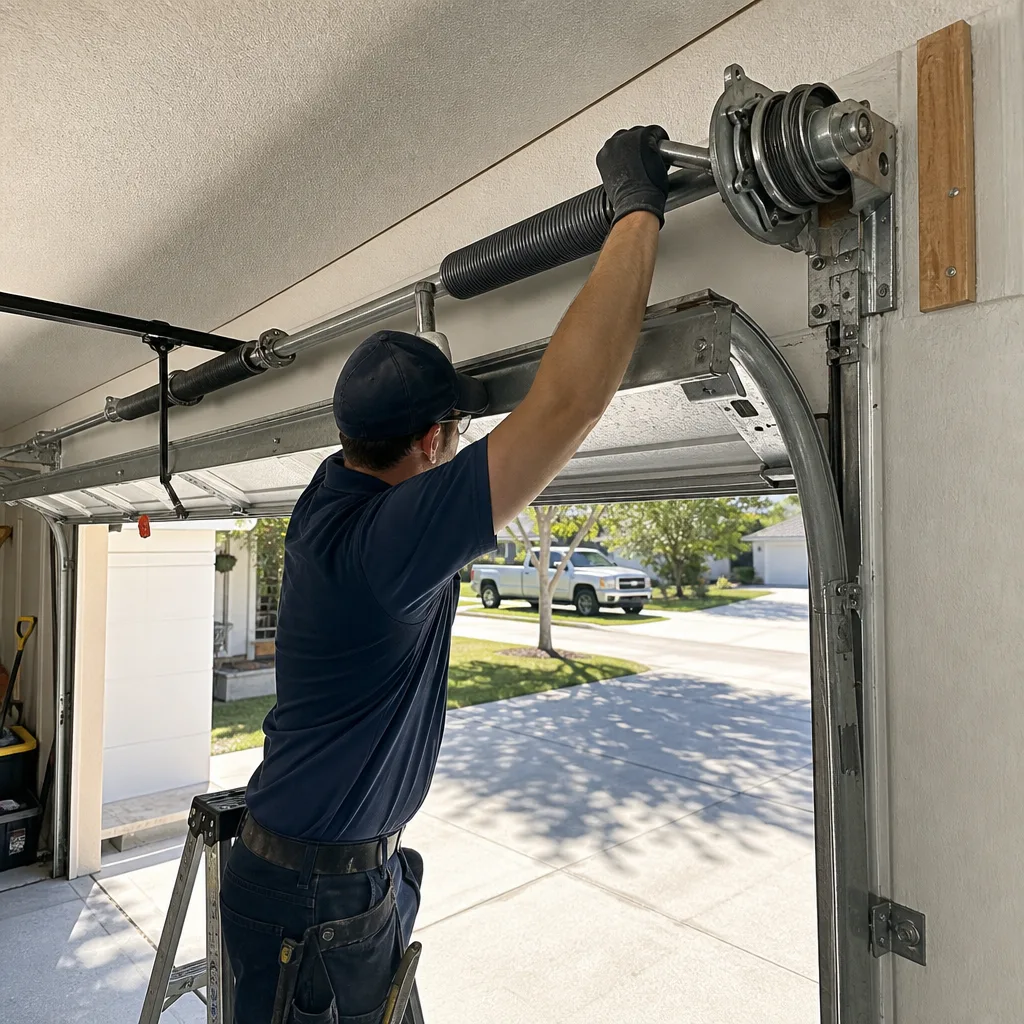 After
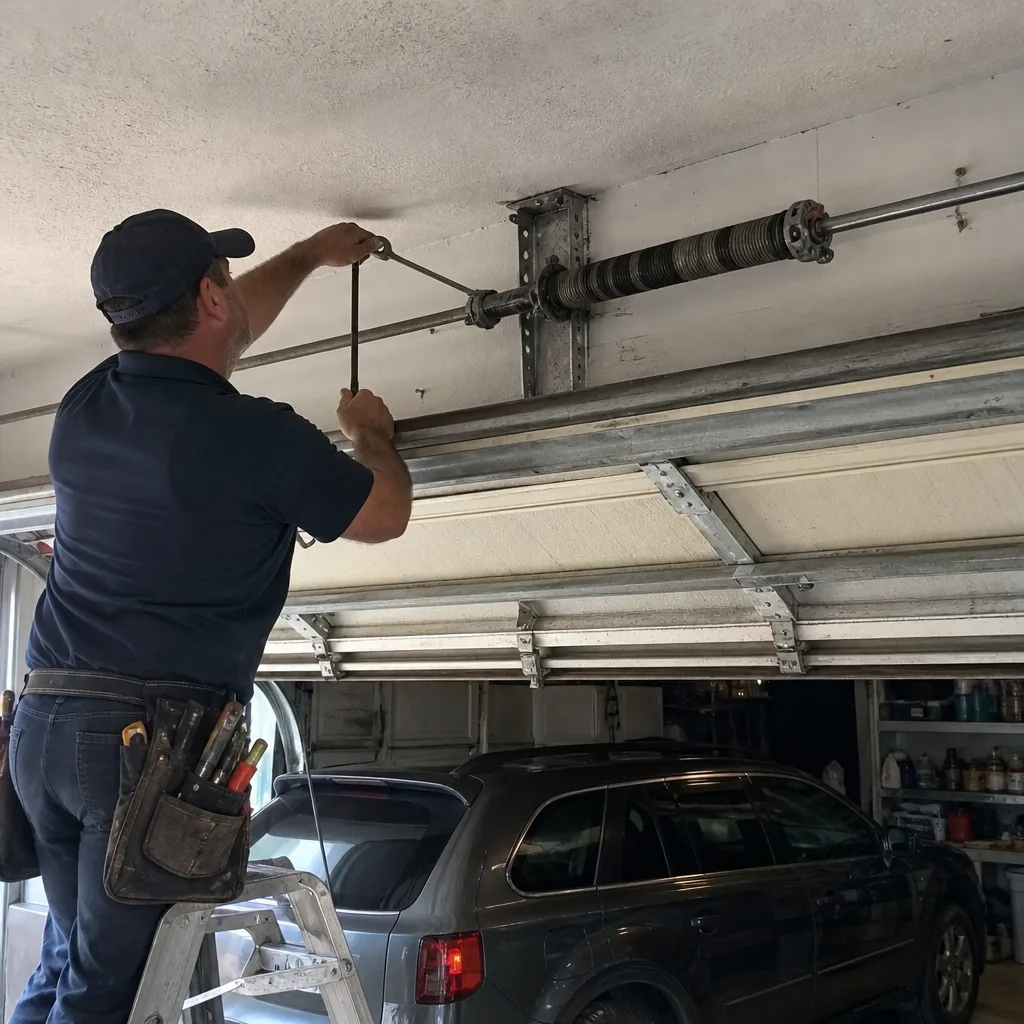 Before
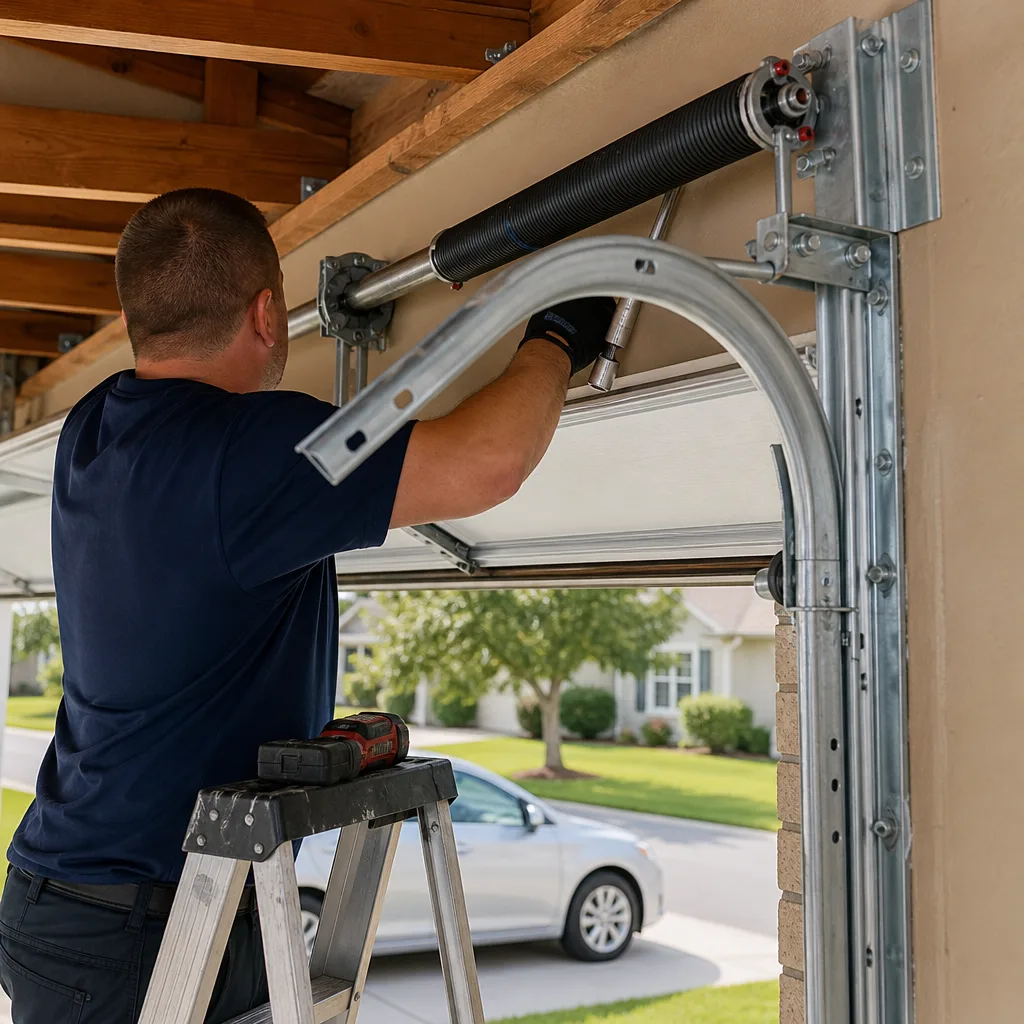 After
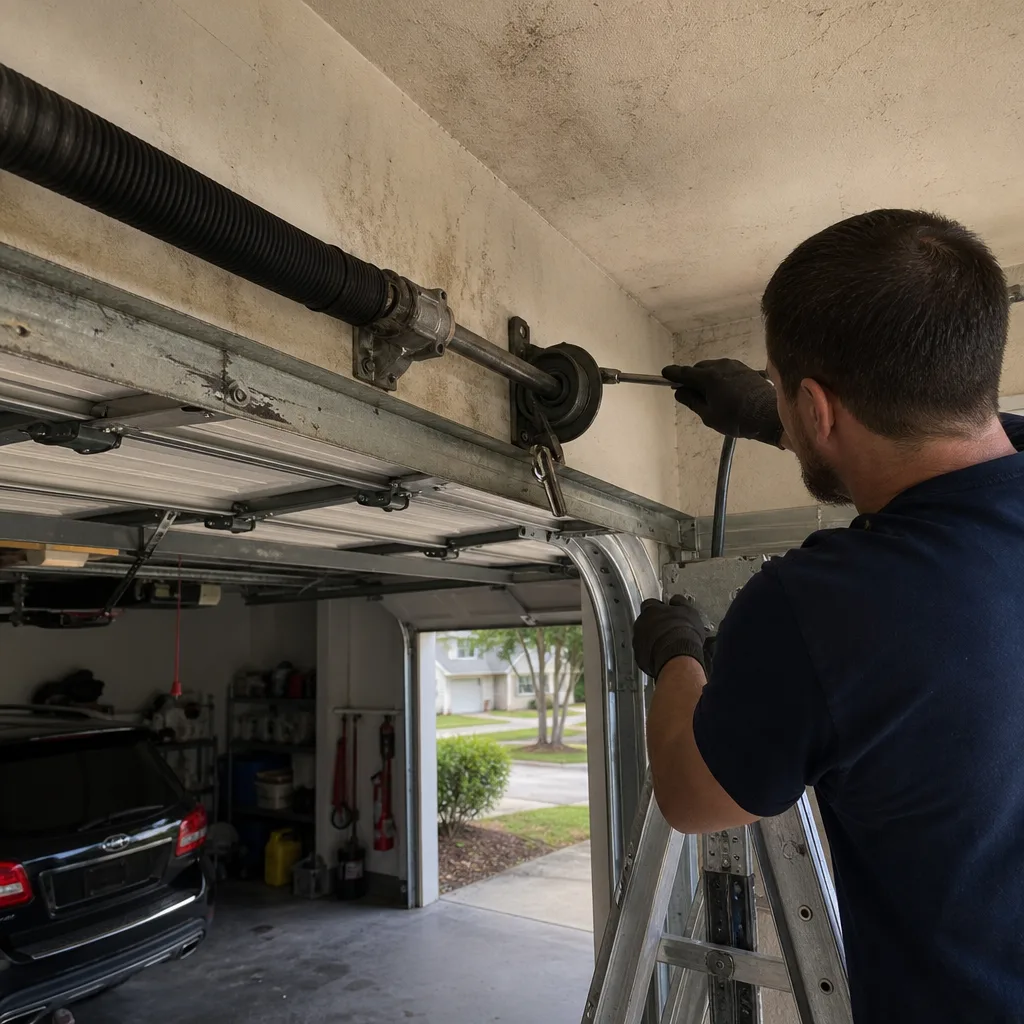 Before
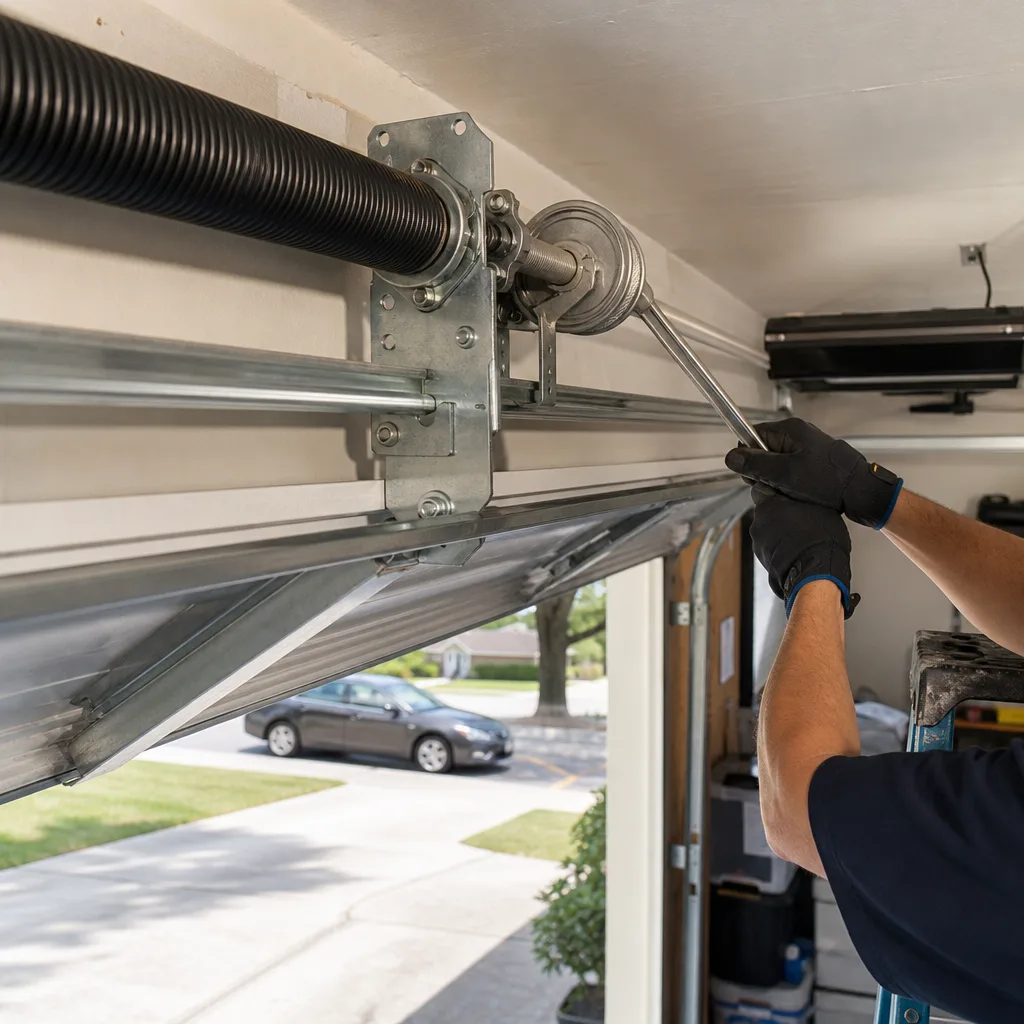 After