
Last updated October 31, 2026
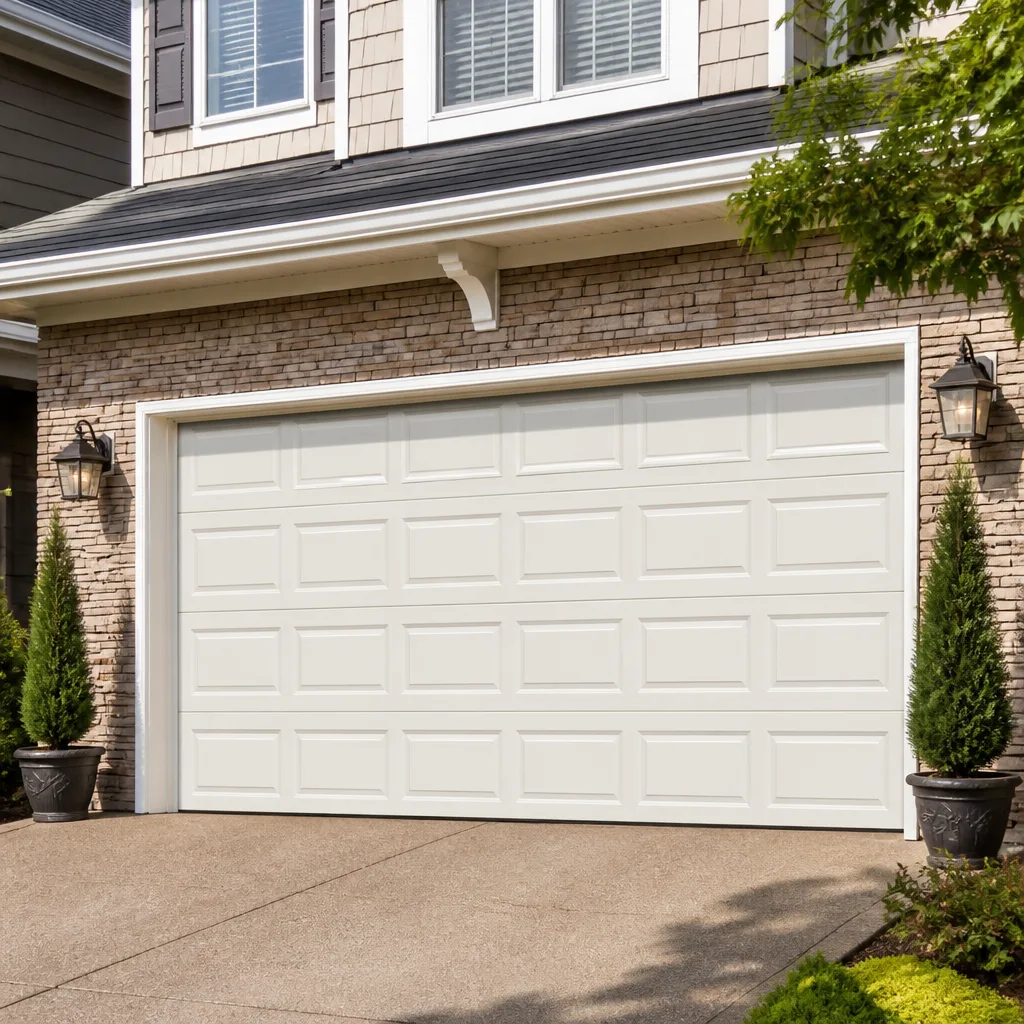 Raised-panel steel
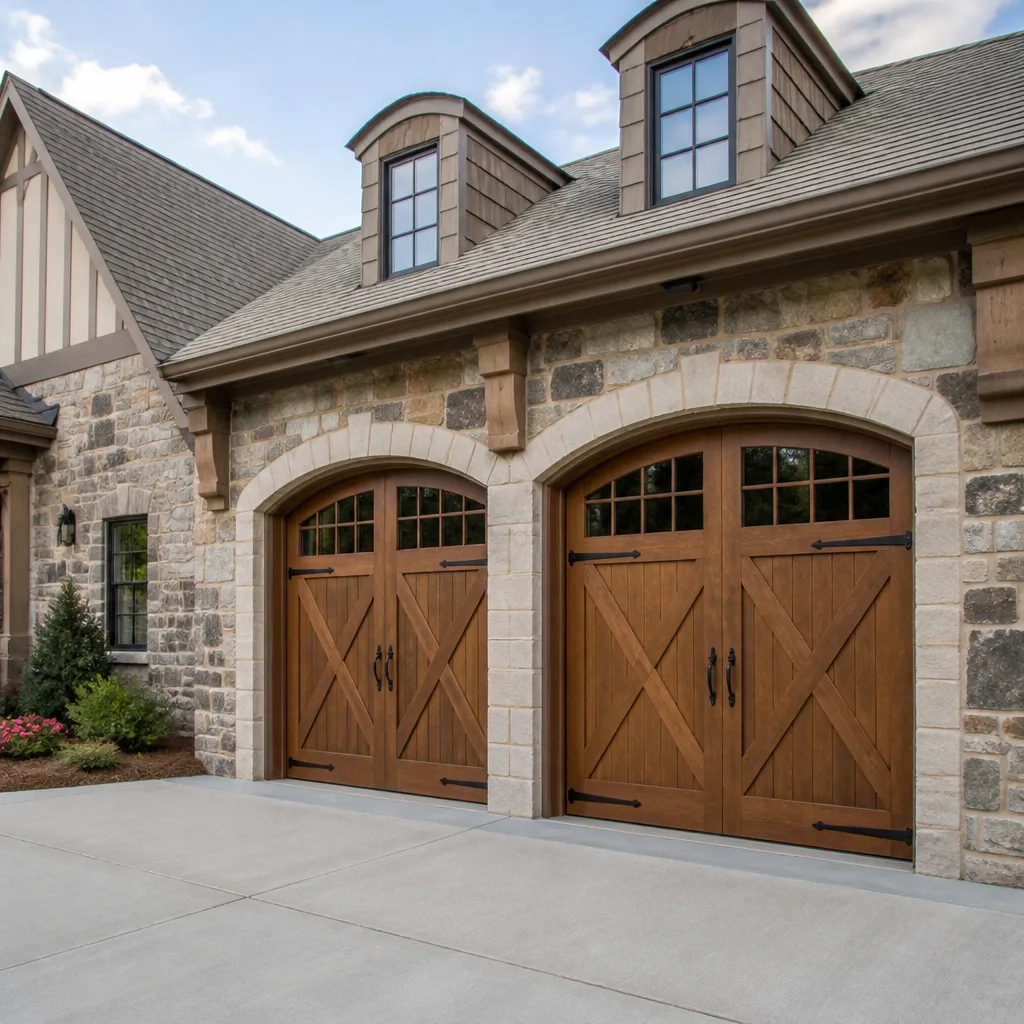 Carriage house
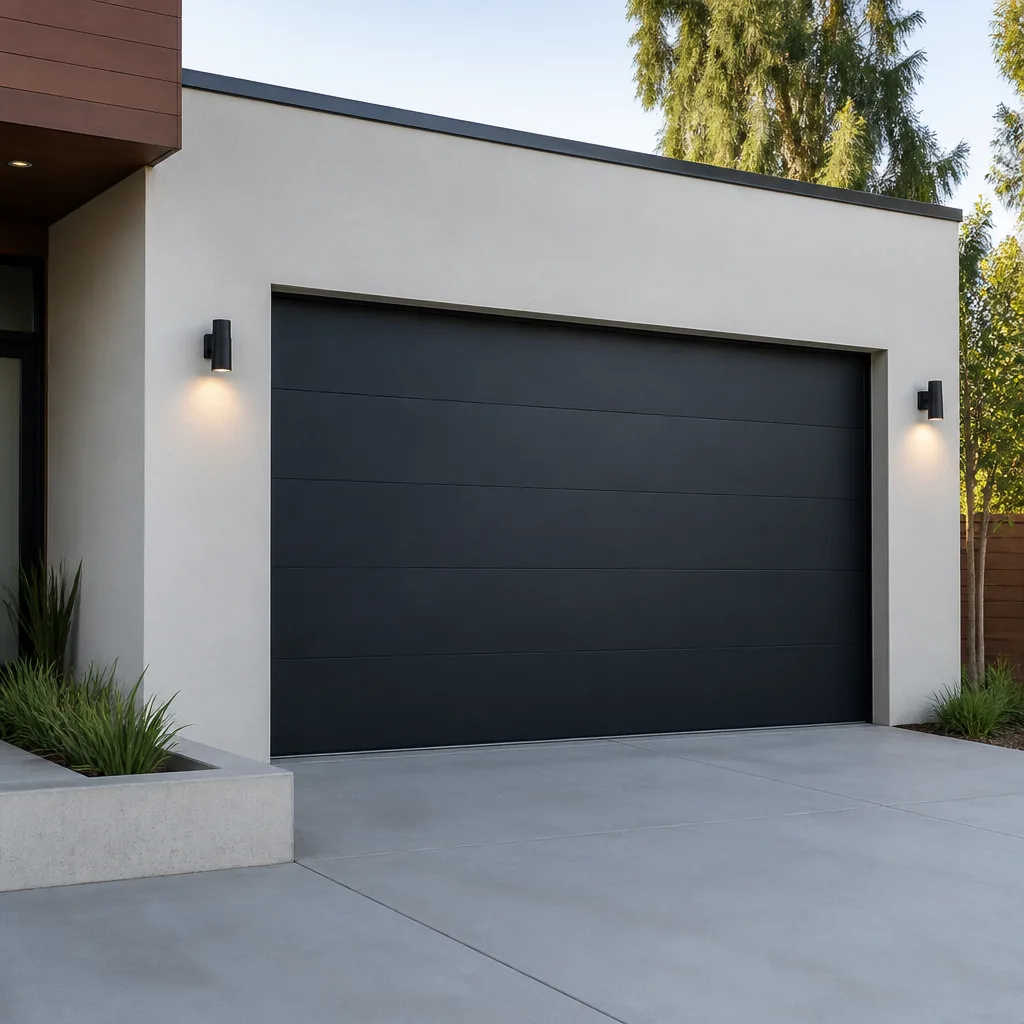 Modern flush
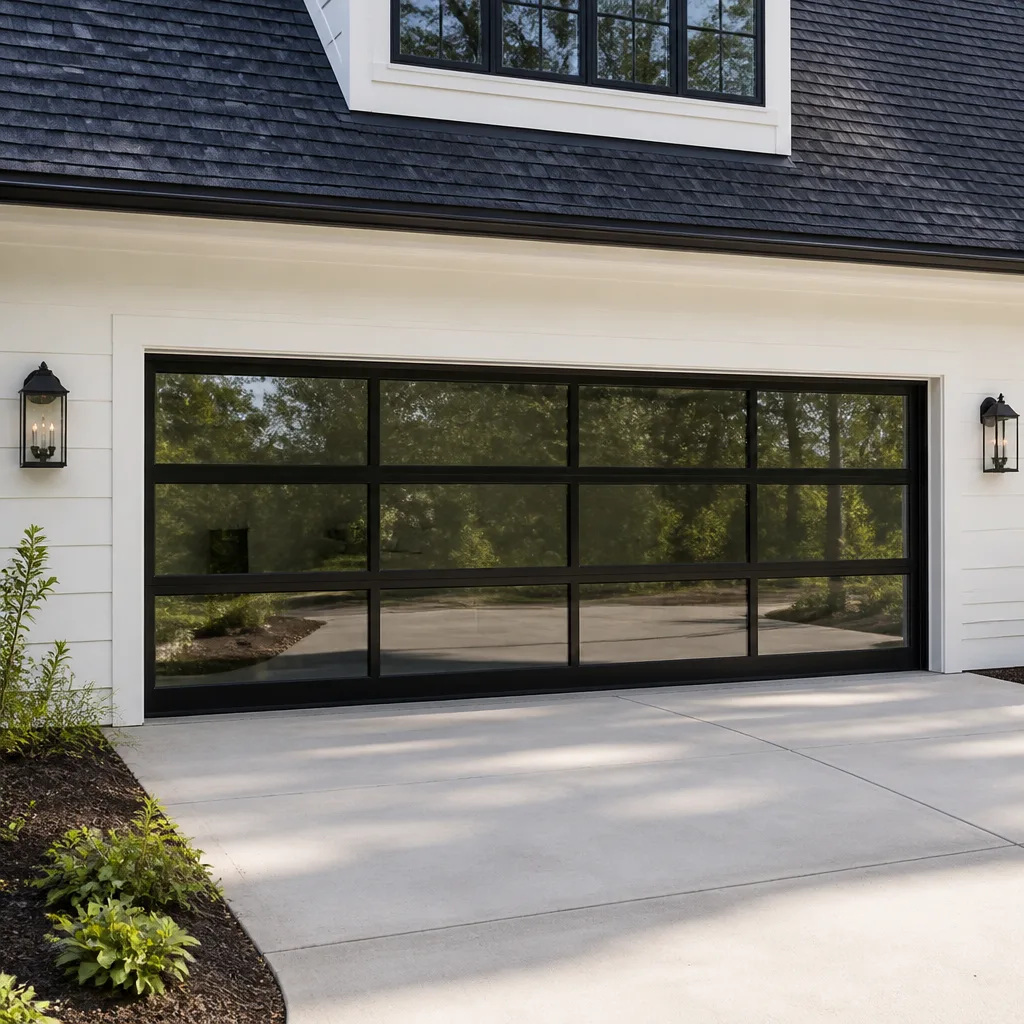 Full-view glass
 LiftMaster openers
 Chamberlain openers
Full 25-point door and opener safety check with every visit - springs, cables, rollers, tracks, and your LiftMaster or Chamberlain opener included
You get a price before we start. It does not change when the truck arrives.
Get your free estimateHow to Hire a Garage Door Contractor in Kissimmee: A Step-by-Step Guide
A garage door weighs somewhere between 130 and 400 pounds depending on the material, and every single pound of it travels on springs that are wound under enough tension to kill or maim if mishandled. In Kissimmee, you add a second factor most national guides ignore: Florida’s wind-load requirements under the Florida Building Code. A door that opens and closes fine on a calm Tuesday can fail catastrophically during a named storm if it wasn’t installed and anchored to code, and when that happens your homeowner’s insurance carrier can deny the resulting water and structural damage claim. This guide walks you through the entire hiring process the way a contractor who’s been doing this in Kissimmee would want a family member to do it: verify first, call second, and understand exactly what should appear in your written quote before you sign anything.
Styles & brands we work with
Quick Answer
To hire a garage door contractor in Kissimmee, first verify their Florida state contractor’s license through the Department of Business and Professional Regulation (DBPR) online database, then confirm they have specific wind-load certification experience for Osceola County, ask whether they service the brand of door and opener you already own, require a written itemized quote before any work begins, and verify warranty terms on both the door product and the labor separately. A true garage door specialist, not a general handyman, will walk you through all of this without you having to ask.
Table of Contents
- Step 1: Check the Florida DBPR License Before You Call Back
- Step 2: Ask These Wind-Load and HVHZ Questions for Osceola County
- Step 3: Specialist vs. Handyman: How to Tell Them Apart in the Quote Process
- Step 4: Red Flags in Written Quotes: What a Low Bid Leaves Out
- Step 5: How to Evaluate Warranties: Product and Labor Are Two Separate Things
- Step 6: What to Expect on Installation Day
- Common Mistakes to Avoid
- When to Call a Professional
- Frequently Asked Questions
- The Bottom Line
Step 1: Check the Florida DBPR License Before You Call Back
Florida requires garage door contractors to hold a state license issued by the Department of Business and Professional Regulation. That’s the baseline, and it’s non-negotiable. Any contractor operating in Kissimmee who touches a garage door installation or structural repair without a DBPR license is operating outside Florida law, and if something goes wrong you have essentially no recourse. Checking takes less than two minutes.
Here’s the exact process:
- Go to the DBPR website and select “Verify a License.”
- Enter the contractor’s name or business name. Use the name exactly as it appears on their invoice or quote.
- Confirm the license category is specific to garage doors. DBPR issues licenses in specific categories, and you want to see garage door work listed, not just a generic contractor’s license.
- Check the license status. It should read “Current, Active.” Anything else, like “Delinquent” or “Inactive,” is a stop sign.
- Look at the issue date. If the license is brand new, that’s not automatically disqualifying, but a KC contractor who’s held the same license for several years has more inspection history and a more established local reputation.
- Check for any complaints or disciplinary actions listed on the license record. DBPR logs formal complaints, and even if the complaint was dismissed, knowing about it is information.
- Confirm the license holder matches the person who will actually show up. Some operations list one license holder but send subcontractors who work under a different arrangement.
We see this process skipped more often in Kissimmee than in other Florida markets we’ve worked, because the sheer volume of short-term rental properties near the 192 corridor creates a constant churn of property managers and homeowners who need work done fast and sometimes think speed is the only variable that matters. It isn’t. The five minutes you spend on DBPR verification protects you from a world of problems later.
One thing worth noting for homeowners in newer construction: if your home in a community like Bellalago or Storey Creek came with a builder-installed door, the door itself has a manufacturer warranty that runs separately from any service contractor’s labor warranty. A DBPR-licensed contractor can service that door without voiding the manufacturer warranty, provided the work is done to manufacturer spec. An unlicensed operator cannot make that same promise because manufacturers rarely honor warranty claims when work was performed by an unverified seller or technician. So there’s a financial consequence to the license question, not just a legal one.
Step 2: Ask These Wind-Load and HVHZ Questions for Osceola County
Your garage door is the single largest opening in the building exterior. In a high-wind event that’s the point where pressure differential creates structural vulnerability. If wind pushes through the garage opening and inflates the house interior, bad things happen fast. Right now the Florida Building Code requires either impact-rated garage doors or a wind-load-rated door with specific anchoring requirements in Osceola County. This is not a suggestion.
Ask your contractor these five questions before you sign a contract:
- “What wind-load rating does this door carry, and is it specific to the Osceola County requirements?” The answer should reference wind zone or design pressure ratings, not just “hurricane rated” as a marketing phrase. A legitimate specialist can reference specific testing documentation or manufacturer spec sheets.
- “Are you installing to the HVHZ standard or the standard Florida Building Code?” Kissimmee is not in the High-Velocity Hurricane Zone like Miami-Dade and Broward, and that matters. Some contractors will deliberately confuse the two, telling you they install to Miami code when Osceola County has its own amended requirements. You want someone who knows the difference without pause.
- “What documentation do I get that proves my door meets code?” The right answer is a product approval number or a Florida Product Approval (FPA) number, not a vague promise. It should appear in the written quote.
- “Will you pull local permits, and whose name is on the permit?” Kissimmee and Osceola County have permit requirements for garage door replacement and installation work. If the contractor’s license number appears on the permit, you’re protected. If they want you to pull the permit yourself so they can stay off the record, walk away.
- “How do you anchor the door to the house?” This is the specific technical question most generic contractors fail. There should be a clear answer about anchoring methods, jamb reinforcement, and fastener schedule that matches the door’s testing documentation.
We’ve worked on homes all over Kissimmee, from the older stock near downtown to the 2015-plus builds in communities like Bellalago and Storey Creek, and we’ve found that proper wind-load anchoring varies more by house age and framing type than most homeowners realize. A 1990s home with wood jamb construction has different anchoring requirements than a 2018 CMU block home. There is no single “hurricane door” answer – it’s a combination of the door, the framing, and the hardware.
If a contractor struggles to answer these questions or tells you wind-load code is overkill for your home, you are speaking to the wrong contractor for Florida. That’s a direct signal that they’re reading from a national script and not from the Florida Building Code, and that gap will be on you if a storm ever tests your door.
Step 3: Specialist vs. Handyman: How to Tell Them Apart in the Quote Process
There’s a meaningful operational difference between a garage door specialist and a general handyman who happens to do doors, and you can see it in the written quote before a single tool comes off a truck. Here’s what to look for:
The specialist’s quote will name your actual door and opener by its real brand and model. The first line should read something like “Clopay Model 4050, 16×7, steel, non-insulated” or “Chamberlain B970 opener with belt drive.” A handyman’s quote will say “garage door repair” and “opener repair” with generic language. The difference matters because every manufacturer builds doors and openers with different spring systems, different operator compatibilities, different part availability. If the quote doesn’t reference your specific equipment, the contractor doesn’t know your specific equipment.
The specialist’s quote will break labor into line items that reference manufacturer service procedures. A spring replacement on an Amarr system uses different sizing and winding specs than a Clopay spring replacement to match, for instance. They look similar to a homeowner, but the spring cycle rating and coil dimensions differ by manufacturer, and that difference changes what should be installed. A specialist writes a quote that references the correct spring by dimension and cycle rating. A generalist writes “replace spring.”
The specialist will reference your opener’s drive system. The three main types are chain, belt, and screw drive, or direct-drive depending on the era of the opener. When a specialist quotes opener work, they’ll reference what you actually have – whether that’s a Genie screw-drive from the late 2000s or a Chamberlain belt-drive with myQ smart-home integration. A handyman won’t mention the drive system at all, because to a generalist an opener is an opener. To a specialist, it’s a specific electromechanical system with reliability and failure patterns that vary by make and model year.
Most Kissimmee homes we see have either a Chamberlain or LiftMaster opener, and a growing number have the Genie unit the builder put in. Those are all serviceable systems, and we work on them all. The same logic extends to the door brands most common in Osceola County: we see a higher percentage of Amarr and Clopay doors in the newer tracts and Wayne Dalton in the older ones, and we stock parts for each. For help deciding, read our Choosing the Right Garage Door Brand: A Buyer’s Guide for Kissimmee. The point isn’t that homeowners should know which spring part number they need. The point is that a quote that names your brand and model tells you the contractor already does.
The Kissimmee Garage Door Service home page explains our full brand coverage if you want a reference point for what a specialist quote is supposed to look like. The biggest tell we hear from homeowners who hired a generalist first is that the original quote fit on a single line and the final bill didn’t match the initial number. That’s not a coincidence. It’s the gap between someone who can do the work and someone who does this one thing every day.
Step 4: Red Flags in Written Quotes: What a Low Bid Leaves Out
The cheapest quote in Kissimmee usually has something missing. Here’s the list of omissions that cost you more later:
- No brand or model reference to your existing door and opener. If the quote says “garage door” without naming the door you already have, the contractor hasn’t looked at it or doesn’t differentiate between brands. Both outcomes are bad.
- No line-item breakdown. A single number with no separate line for parts, labor, springs, opener, installation, or haul-away might seem simpler. In practice it means you’re paying more for less information about what you’re paying for.
- No permit fee line. In Kissimmee a permitted garage door installation includes permit costs. A quote without permit fees either plans to work unpermitted or is holding back an expense that will appear later.
- No wind-load compliance line. If the quote doesn’t specify the wind-load rating and anchoring hardware, the contractor is quoting you for a door that may not meet Florida Building Code for Osceola County.
- No warranty breakdown. Labor warranty and product warranty are two different terms with two different lengths and two different administrators. If the quote doesn’t list both, you don’t actually know what’s covered for how long.
- No clean-up or disposal line. Removing the old door and taking it away takes real labor and a real vehicle, and sometimes it’s charged separately. If it’s absent from the quote, the contractor may leave the old door in your driveway or add the charge later.
- No stated quote validity window. Material prices fluctuate. A professional quote states how long the price is valid, usually 30 days. An open-ended quote is a signal that the number can shift before you sign.
Our practice is to quote a fixed, itemized price and agree on that price before any work starts. That last sentence matters, and I want to be explicit about it because it’s a big source of anxiety for Kissimmee homeowners. The price you agree to is the price you pay. If we find something unexpected when we open the door, we stop, show you, and get agreement on the new scope before turning a single additional bolt. That’s not an operating style choice; it’s a fundamental fairness issue and one of the most common complaints we hear about other operators in the market.
For a specific neighborhood reference: older homes in the neighborhoods around Old Town and the west side of Kissimmee tend to have older door systems that need more hardware updates to meet current wind-load standards, and those costs should be visible in a quote before work begins. In the newer master-planned communities the door systems are generally newer, but original builder doors are often non-insulated steel, and an upgrade might be the better long-term value depending on your goals. You can see what that type of replacement involves on our Garage Door Installation in Taft service page, which serves Kissimmee-area homeowners and covers the full replacement process.
Step 5: How to Evaluate Warranties: Product and Labor Are Two Separate Things
The door or opener you buy carries a manufacturer’s product warranty. The work your contractor performs carries a separate labor warranty. They run on different clock starts, cover different failures, and are administered by different entities. A lot of Kissimmee homeowners conflate the two and then get surprised later.
Product warranty: Clopay, Amarr, Wayne Dalton, Chamberlain, Genie, and the other major manufacturers each carry their own warranty terms on the door sections, hardware, springs, openers, and electronics. Some are lifetime on specific components in specific circumstances. Many require professional installation by a licensed contractor for the warranty to be valid, and some require documented annual maintenance. Read the actual Warranty section on the manufacturer’s website rather than relying on a contractor’s verbal summary.
Labor warranty: This is what the installing contractor stands behind. A typical labor warranty on a new installation or repair is 1 to 5 years depending on the work performed and the contractor’s own policy. If the spring breaks in year two, product warranty might cover the spring replacement, but labor to remove and install that spring is probably on you unless the contractor’s labor warranty still applies. Ask for the labor warranty in writing on the quote before you sign.
One local wrinkle: Kissimmee’s climate puts a lot of heat and humidity on garage door components. We see rust on hardware faster here than in most parts of the country, especially in homes without conditioned garages. Springs cycle continuously and wear is accelerated by heat. This doesn’t void warranties, but it does mean some parts replacement intervals here are shorter than the national averages contractors quote from generic marketing copy. See our Seasonal Garage Door Care for Kissimmee: Year-Round Homeowner’s Guide for maintenance tips that extend component life. We stock higher-cycle springs as our default for Kissimmee installations, because cheaper standard springs mean a second service call sooner.
Step 6: What to Expect on Installation Day
Once you’ve hired the right contractor, here’s what the actual installation or repair day looks like, step by step, so you’re not standing around wondering:
- Confirm and verify. A professional crew reviews the job scope with you before pulling tools off the truck, confirms the quoted price and the agreed work, and answers any final questions. This is a two-minute conversation that prevents most of the conflicts we see in the Kissimmee market.
- Prepare your garage. You’ll want to clear the area around the garage door inside and out, move vehicles to the driveway, and make sure pets are contained. The crew usually needs about 8 feet of clear space in front of the garage.
- Safety inspection of the existing system. If this is a repair, the technician inspects the full door system, not just the broken part. On a spring repair, that means checking all hinges, rollers, cables, brackets, and the opener’s force settings. A good technician catches secondary issues while they’re small.
- The work gets done. Depending on the scope, a spring replacement takes 45 minutes to 90 minutes, a full door replacement runs 3 to 6 hours, and an opener replacement usually falls between 90 minutes and 3 hours. Your contractor should be able to give you a more precise estimate based on your specific equipment.
- Safety test and final walkthrough. The crew runs the door through full open and close cycles, tests the auto-reverse safety function on the opener, checks balance and travel limits, and confirms wind-load anchoring meets the specified standard. You should be invited to inspect the finished work before you sign off.
- Cleanup and haul-away. The old door, old springs, old opener, packaging, and job debris leave with the crew unless you’ve arranged otherwise. Your garage floor should look like it did before, minus the door problem.
- Warranty paperwork and payment. You receive your itemized invoice, the warranty documentation for both product and labor, and the permit paperwork if the job required one.
This process should feel calm and predictable from start to finish. If your contractor can’t or won’t tell you what steps to expect, that’s worth paying attention to before you sign.
Common Mistakes to Avoid
- Hiring on price alone. A Kissimmee garage door that can’t pass a wind-load inspection after a named storm will cost you more than the money you saved on the low bid. The cheapest quote rarely includes the anchoring hardware, the permit fee, or the right labor warranty.
- Skipping the DBPR check. If you skip this step, you might hire an unlicensed operator. If their work causes property damage, you have limited recourse in Florida, and your insurer will ask who did the work.
- Choosing a general handyman over a specialist. A handyman might be great at interior repairs, but a garage door is a systemic piece of equipment with specific code, safety, and manufacturer requirements. We replace more badly done handyman spring repairs than we do original factory springs in some months.
- Not asking about wind-load compliance. This is the biggest local mistake in Kissimmee specifically. You can’t retrofit wind-load compliance easily after the door is installed. It has to be done at installation time.
- Not getting the warranty in writing. A verbal promise evaporates. If the labor warranty isn’t on the quote, it doesn’t exist.
- Ignoring the auto-reverse safety check. Your opener has an auto-reverse safety function that should be tested after any opener or door work. It protects kids, pets, and bicycles. Ask for it explicitly.
- Letting a contractor talk you into a full replacement when a repair would solve the problem. Some operators only stock one brand of parts and will declare your door “unfixable” when the truth is they just don’t carry your manufacturer’s components. Get a second opinion if a repair quote turns into a replacement pitch fast.
When to Call a Professional
Some garage door situations are not DIY projects, and in Florida’s climate and wind zone, more of them fall into that category than homeowners realize. Call a licensed specialist if your door won’t open or close evenly, if you hear grinding or popping sounds during operation, if the door sits visibly uneven or sagging, if your opener runs but the door doesn’t move, if you see frayed cables or a visible gap in a spring, or if your door has any wind-load anchoring visible to you that looks loose or corroded. Springs and cables are under extreme tension, and the force involved in these systems is genuinely dangerous. Do not attempt a spring repair yourself.
Kissimmee Garage Door Service offers free estimates in Kissimmee. Call (844) 662-1429 and we’ll come out, assess the situation, and give you a written itemized quote before any work starts.
Frequently Asked Questions
Garage door repair in Kissimmee typically runs $150 to $400 depending on the part and the brand, opener repair $125 to $350 depending on the failure, and a full new door installation $1,200 to $4,500 plus depending on size, material, insulation level, and wind-load rating. Your exact quote should be itemized and fixed before the work begins so the number you agree to is the number you pay. Call (844) 662-1429 for a free estimate specific to your door and opener.
Yes, Osceola County and the City of Kissimmee require permits for most garage door replacements and new installations when the door or its framing is being changed. Your contractor’s license number should appear on the permit, and the permit creates an inspection record that proves the work was done to code. A contractor who avoids permits is exposing you to code enforcement and insurance consequences.
Most established Kissimmee garage door companies, including ours, keep service windows open for same-day and next-day spring and opener repair calls, because a door that won’t open traps your car in or out of the garage. Installation and full-door replacement are measured and scheduled, not same-day. For a repair emergency, call (844) 662-1429 in the morning and we’ll give you a realistic arrival window.
A wind-load rated door is engineered to resist wind pressure during a named storm, and it’s the standard baseline required by the Florida Building Code in most of Osceola County. An impact-rated door is additionally engineered to resist flying debris, and it’s required in the HVHZ areas of south Florida but not generally east of I-4 in Kissimmee. Your contractor should know which standard applies to your specific home and quote accordingly.
It shouldn’t, and that’s a red flag if a contractor reserves the right to change pricing after arrival. A specialist quotes from experience with specific brands and models and should be able to give you a fixed number based on the information you provide, with an on-site safety inspection confirming the quote before work begins. The price we quote is the price you pay at Kissimmee Garage Door Service home, unless a second issue is discovered after we open the door, in which case we stop and get your approval before doing anything else.
We stock parts for the eight most widely installed garage door brands in the Kissimmee market, including Chamberlain, Genie, Clopay, Amarr, LiftMaster, Wayne Dalton, Craftsman, and Raynor. That brand-agnostic model is the reason we can usually complete a repair on the first visit rather than quoting a delay while we order parts. If for some reason we don’t have the specific part for your door, we’ll tell you at the initial assessment and give you a firm timeline and price, not a surprise.
The Bottom Line
Hiring a garage door contractor in Kissimmee comes down to a few specific checks that most national guides never mention. Verify the DBPR license. Ask specific questions about wind-load compliance and get the answer in writing. Look at how the quote is structured: a specialist names your actual door and opener, a handyman writes one generic line. Read the warranty section carefully and remember that product and labor coverage are different. Then get the price in writing and fixed before work begins. This process takes an hour of your time and saves you thousands in potential water damage, denied insurance claims, and repeat service calls.
Written by the team at Kissimmee Garage Door Service, serving Kissimmee since 2011.
See the difference
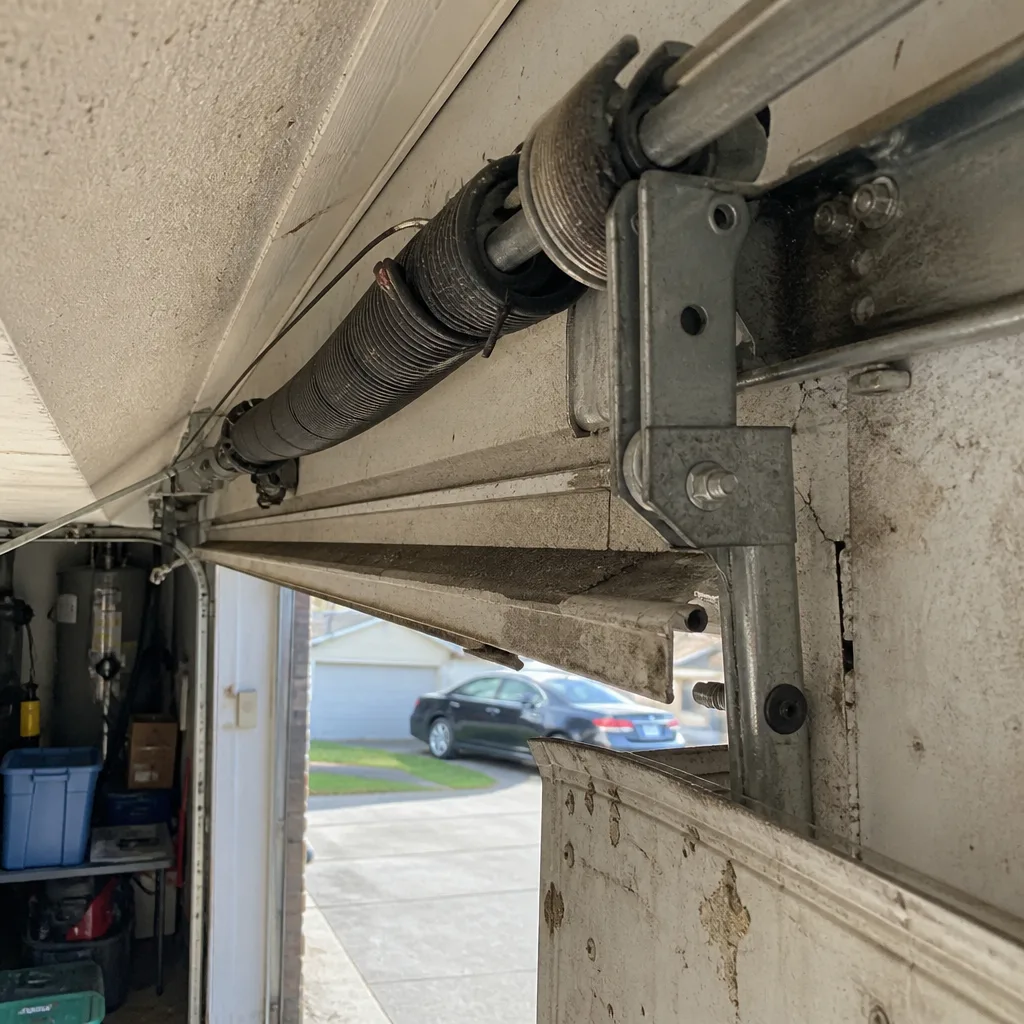 Before
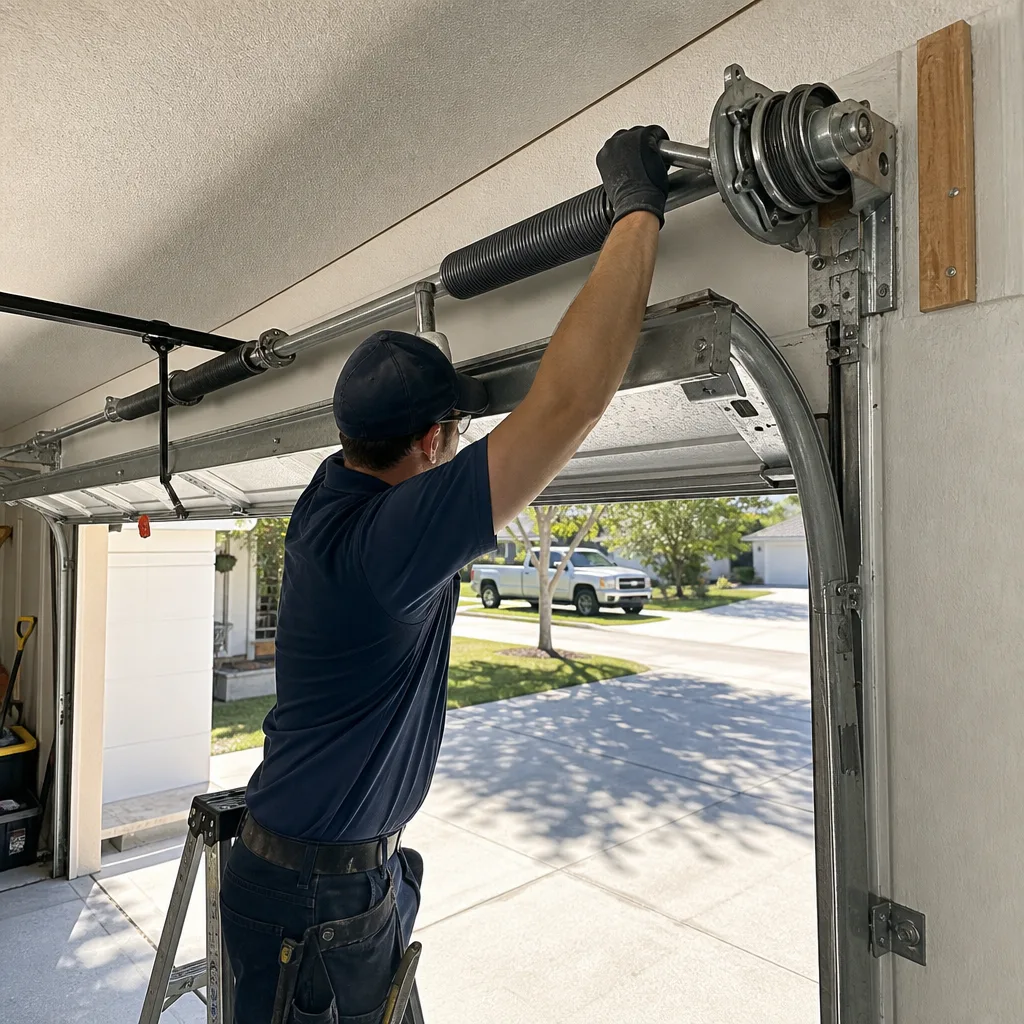 After
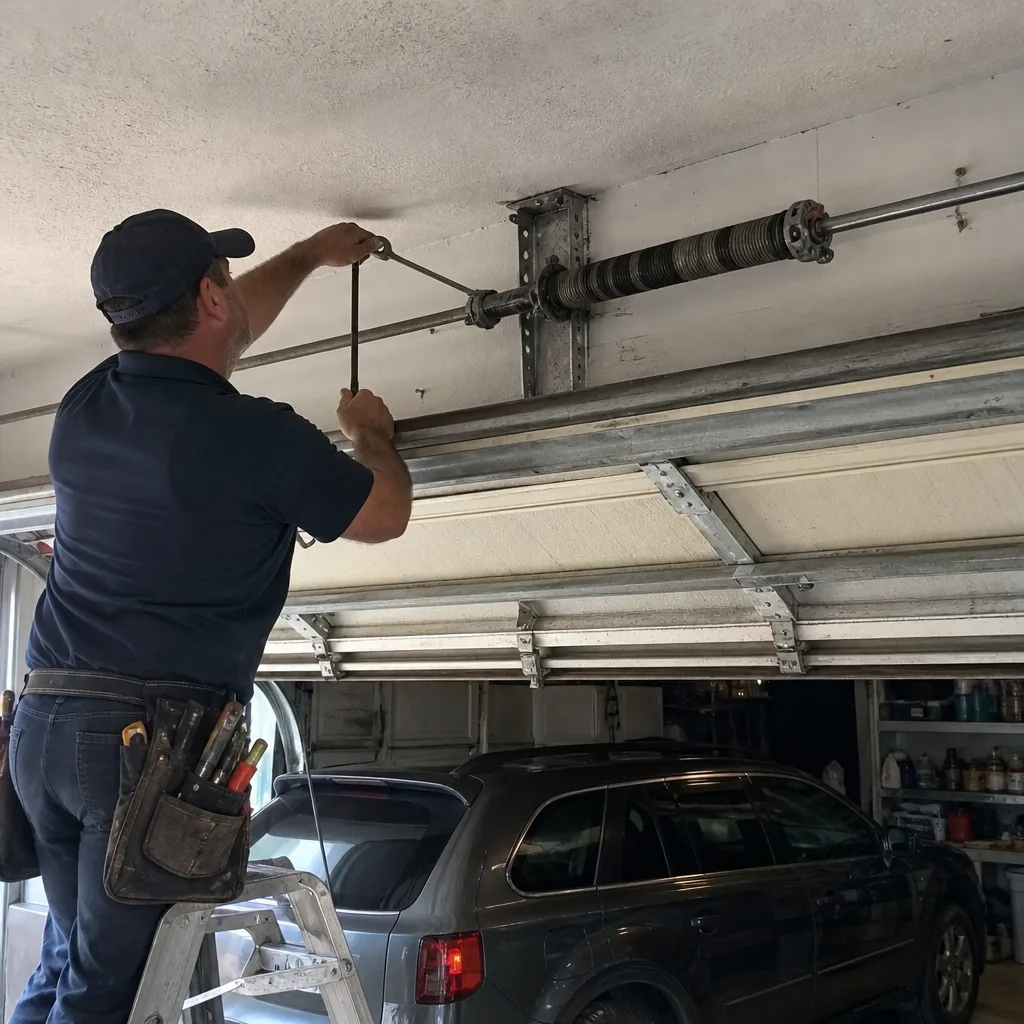 Before
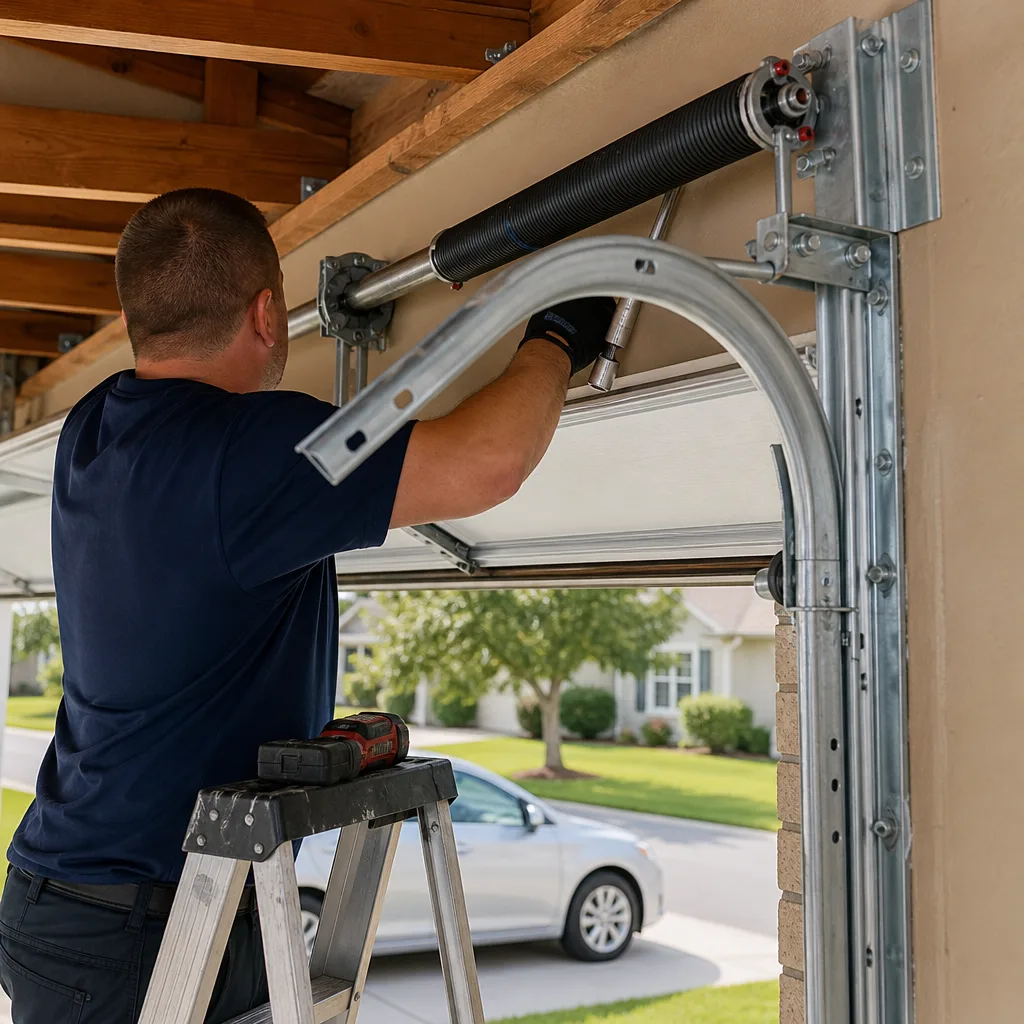 After
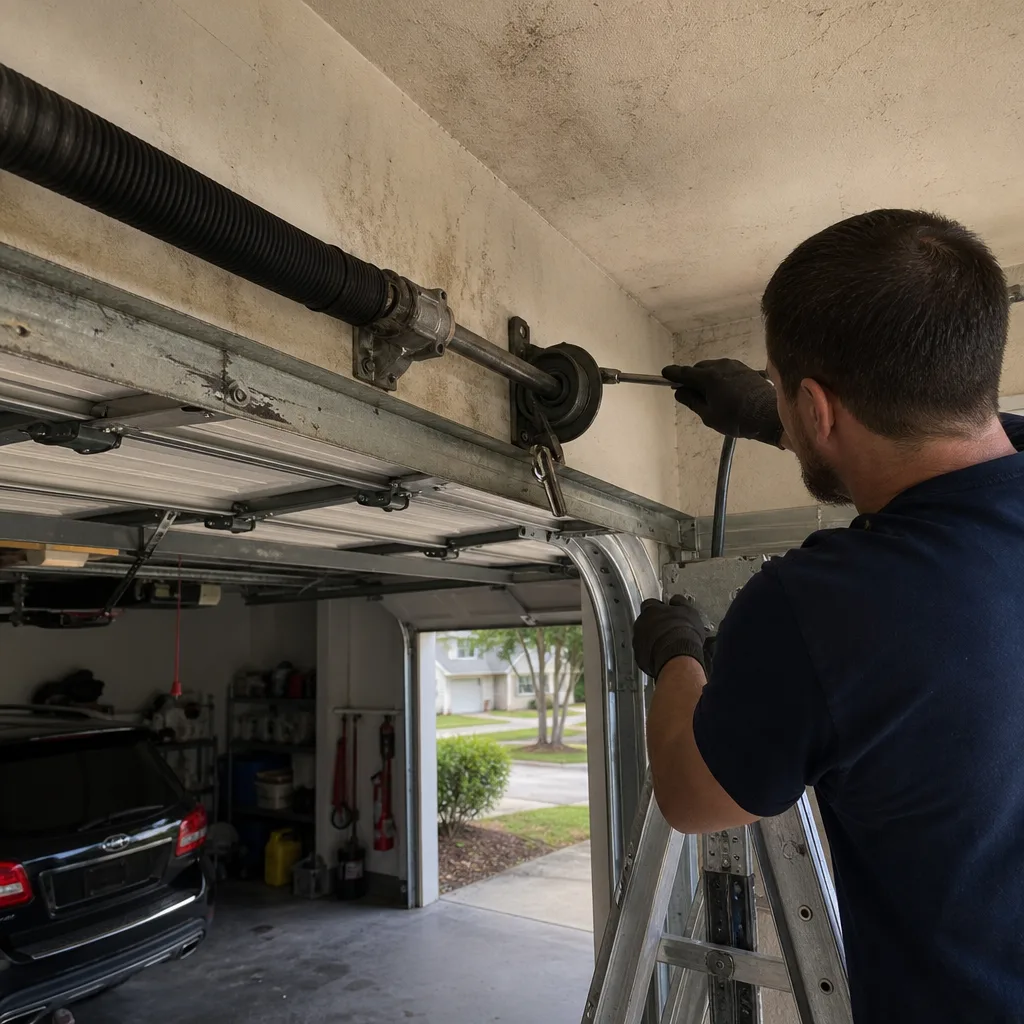 Before
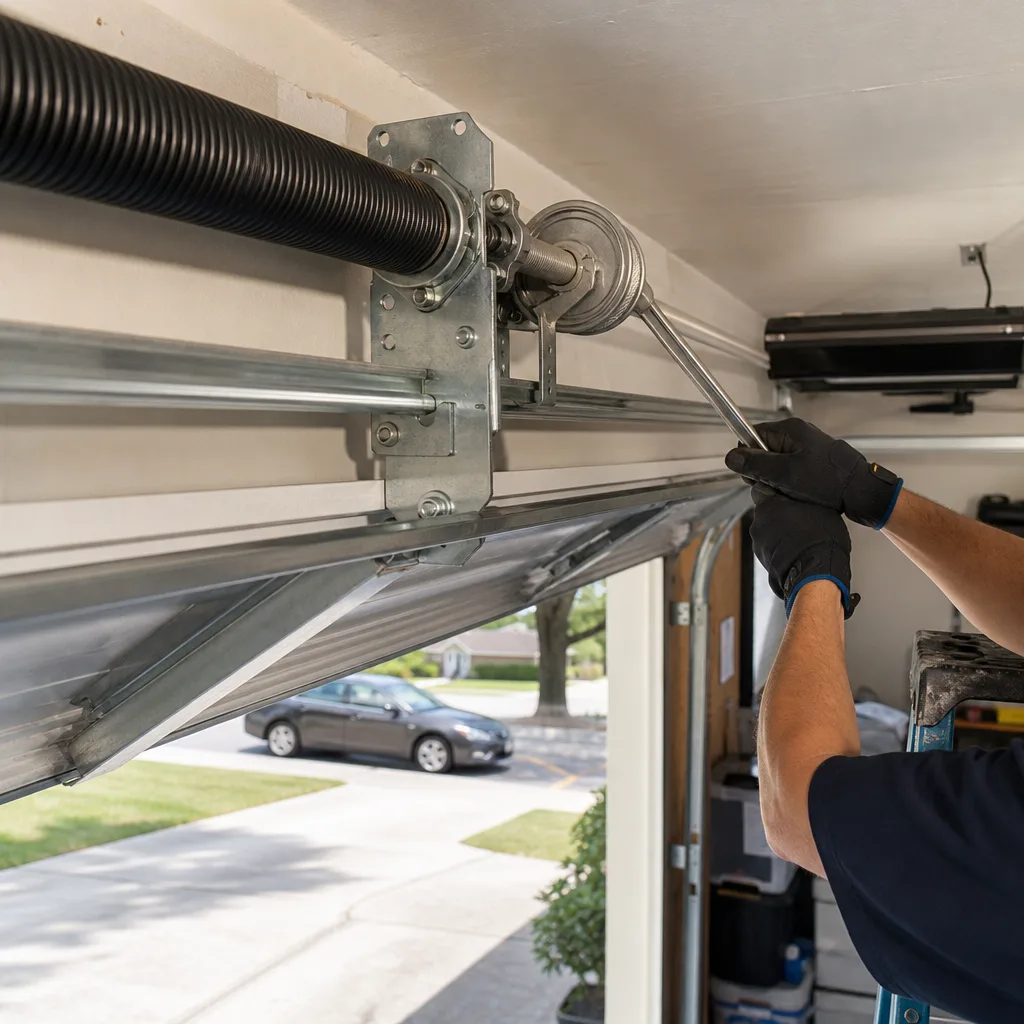 After